Lot No. LOT-8041 · offered September 28, 2026
Ag Finance & InvestmentLot sheet
US Agriculture: Farmland Is Real Estate at Its Core for Investors
Clint Leman, director of portfolio management at US Agriculture, explains why leased US farmland functions as core real estate: hard asset, contractual rent, operator-carried risk.
Market notes
- Clint Leman is director of portfolio management at US Agriculture.
- US Agriculture identifies leased farmland as fundamentally a real estate asset for institutional investors.
- The leased model delivers rental cash flow to landowners while farm operators carry production risk.
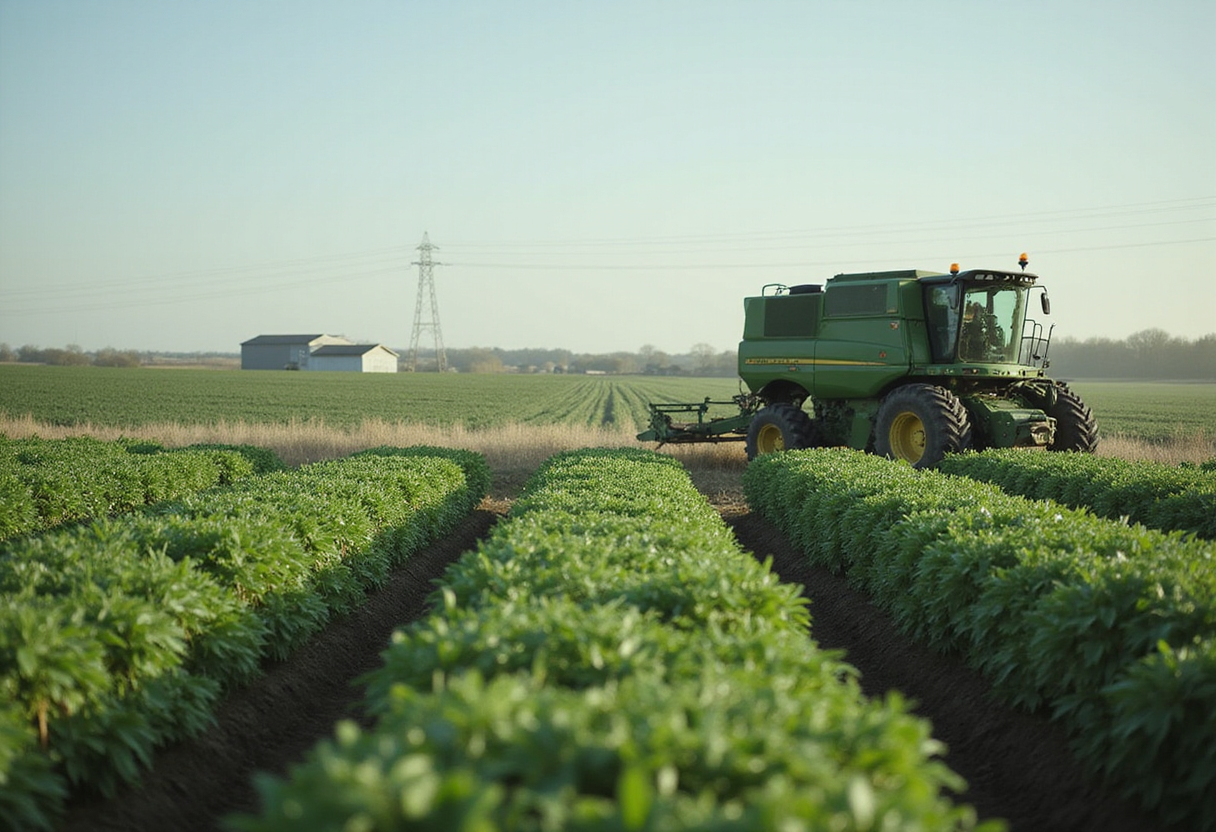
Clint Leman, director of portfolio management at US Agriculture, identifies the fundamentals that make US-leased farmland an attractive option for traditional real estate investors.
Leman argues that farmland is real estate at its core. The asset class carries the defining features institutional property investors already know: a tangible, finite land base, contractual lease income, and ownership of the underlying asset independent of the operator's business.
For traditional real estate investors, the case rests on structure. Leased farmland generates rental cash flow from tenants who farm the ground, much as commercial property generates rent from business tenants. The landowner holds title to a hard asset, while operators carry the production risk tied to yields, weather and commodity prices.
US Agriculture manages farmland portfolios on this leased model, positioning the asset class alongside other income-producing real estate rather than as a standalone commodity play.
The firm's framing comes as institutional interest in agricultural land continues to draw attention from investors seeking diversification and inflation-linked income.
via Agri Investor (Source)
More from Olivia Hart
Show full bio
News editor covering media and advertising at Agribusiness Wire.
138 articles