Lot No. LOT-1724 · offered November 11, 2026
Ag Finance & InvestmentLot sheet
Liquidity Burn Hits Ohio Farms as Weather Whiplash Squeezes Margins
Farm Credit Mid-America returned $280 million in patronage this year even as Ohio grain producers burn liquidity, defer equipment and weigh fungicide against tight cash flow after drought.
Market notes
- Farm Credit Mid-America returned $280 million in patronage this year and over $1.75 billion in nine years.
- Liquidity issues rose across the cooperative's six-state marketplace, with a small uptick in bankruptcies after years of minimal cases.
- Ohio's 2026 season brought wet planting then drought in the northwest, and a late frost after early planting in the south.
- Ohio farmland values continue rising despite depressed farm profitability, driven by limited land availability.
- Producers are repairing equipment rather than replacing it and weighing fungicide applications against cash-flow projections.
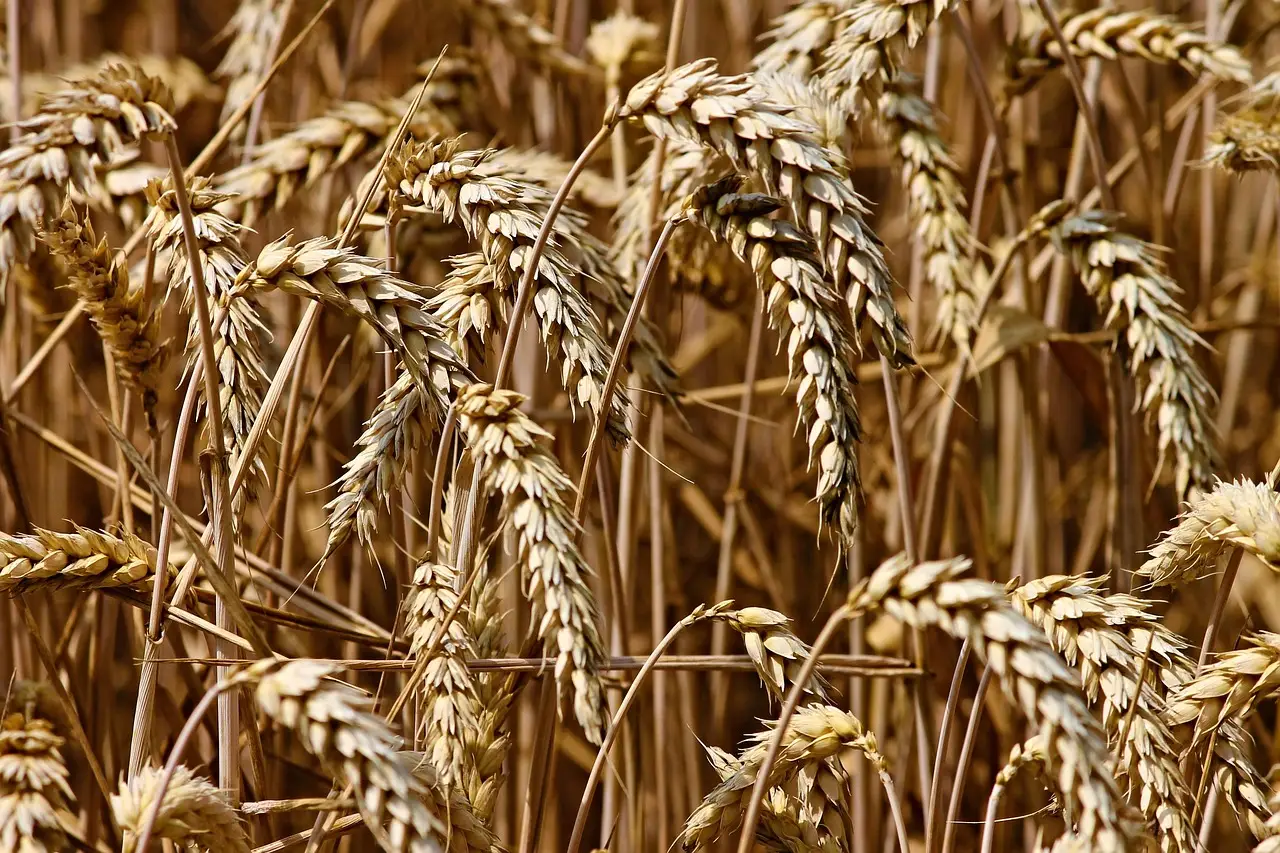
Farm Credit Mid-America returned $280 million in patronage to its farmer-customers this year — a bright spot in an Ohio farm economy where grain producers are burning liquidity, delaying equipment purchases and scrimping on inputs like fungicide after back-to-back drought years and a 2026 season of weather whiplash.
That's the picture from Rudi Pitzer Perry, regional vice president of ag lending at the farmer-owned cooperative, who has spent 15 years with the organization and tracks credit conditions across its six-state marketplace.
"The picture in Ohio is not just one story," Pitzer Perry said. "Margins are definitely tighter. We're coming off a couple of years of drought in areas of the state, and producers are feeling some of that stress."
Livestock and dairy producers rode strong cattle prices until the recent downturn. Grain farmers statewide face the harder math: compressed margins, rising input costs and a diesel price spike she described as "one more straw on a camel's back."
What did the 2026 weather actually do?
The growing season split the state in two. Northwest Ohio endured wet, late-season planting followed by drought. Southern Ohio got an early, promising planting window — then a late frost disrupted it.
Early harvest was delayed by record-breaking rainfall. Some fields sat completely saturated.
"While it feels like the last couple years have been crazier than usual, that's just part of it," Pitzer Perry said, noting Farm Credit works with producers on both lending and crop insurance to manage those swings.
How are producers managing cash flow?
Many entered this downturn with solid financial reserves built during stronger years. That cushion cushioned falling profitability — at first.
"We've seen some real liquidity burn, and so we're seeing producers managing a little differently through this part of the cycle," she said.
The behavior shift is concrete. Producers are:
- Scrutinizing capital investments more closely
- Repairing equipment rather than replacing it
- Weighing routine input decisions — such as whether to apply fungicide — against tighter cash-flow projections
Liquidity issues have increased across Farm Credit Mid-America's marketplace, and bankruptcies have ticked up slightly. That figure is relative, Pitzer Perry cautioned, coming after several years in which such cases were minimal. Stress varies operation by operation, depending on specific needs and cash-flow requirements.
The cooperative continues to issue new loans and typically works with customers to find solutions tailored to their operations. Its structure drives that approach: customers are also owners, electing a board of farmer-customers who shape the organization's direction.
"Because they are our owners, we work hand in hand with the producers to help them be successful and keep the farm in the family," Pitzer Perry said.
The patronage numbers back that up. Beyond the $280 million returned this year, the cooperative has distributed more than $1.75 billion over the past nine years — money reinvested directly into customers' operations.
Why are farmland values still rising?
Here's the anomaly. Farmland values in Ohio have continued rising rather than declining, despite financial strain on grain operations. That breaks the typical pattern when farm profitability drops.
Pitzer Perry attributed the trend to limited land availability amid competition from both farmers and nonfarm uses.
"Farmers with strong liquidity continue to seek additional ground, even as the broader agriculture economy remains depressed," she said.
What are the top concerns?
When asked what worries Ohio producers most, Pitzer Perry pointed first to margin pressure driven by both grain prices and input costs. Farmland availability ranked second. The third issue: a lack of formal transition planning on many farms.
"There are a lot of farms that need better transition plans, or maybe have a transition plan that they haven't really put into action," she said, calling the issue essential despite the difficult conversations it requires.
On the marketing side, many grain producers see some optimism for prices next year. Pitzer Perry encourages them to market grain proactively — working with marketers, lenders and financial advisers to identify breakeven points rather than relying on past practices.
Her advice to farmers feeling the pinch: communicate early and often with lenders, financial officers and advisers.
"If things are tight, let your partners know, because they can help you find solutions to help weather that," Pitzer Perry said.
With liquidity reserves thinner, input costs elevated and farmland competition intense, Ohio producers head into next season banking on better grain prices — and leaning harder on their lenders to find the breakeven.
via Farm Progress (Source)
More from Nathan Brooks
Show full bio
Staff writer covering regulation, policy and their impact on Agribusiness coverage for industry professionals at Agribusiness Wire.
546 articles
Also in the yard
- June Delivered Weather Extremes and Falling Grain Prices for Ohio Growers
- 60% of Ohio Farms Entered 2026 With Shrunk Cash Reserves
- Wet Fields Keep Ohio Harvest Combines Parked
- Grain Farm Earnings Fell in 2024; Livestock Margins Rose, farmdoc Says
- Cattle Futures Rebound From $210 Lows, But Record-Low Placements and 300,000 Tons of Tariff-Free Beef Imports Pull Opposite Ways