Lot No. LOT-4413 · offered September 27, 2026
Agricultural PolicyLot sheet
Farm Bill 2.0 Advances as Corn Growers Face Costly Harvest
Congress advances the next farm bill as corn growers absorb high harvest costs, with reference prices and insurance subsidies still undecided heading into the 2024 season.
Market notes
- The next U.S. farm bill — promoted as Farm Bill 2.0 — is advancing in Congress as corn growers head into harvest with elevated operating and handling costs.
- Farm groups argue current reference prices and crop insurance guarantees lag the post-2020 cost structure for fertilizer, fuel, machinery and financing.
- The 2018 farm bill has been running on extension, pushing final program-level decisions on support and insurance into later budget cycles.
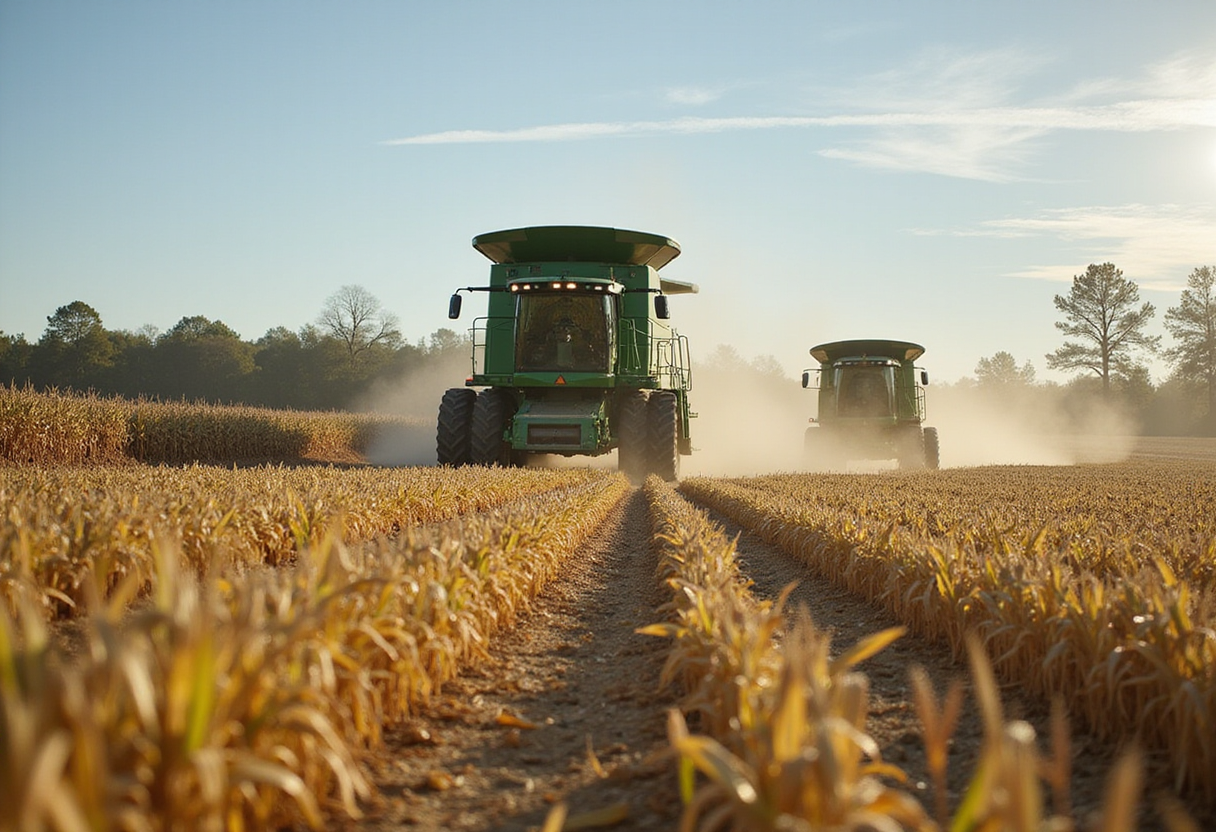
Corn growers are heading into harvest with input and handling costs still weighing on margins, even as Congress moves ahead with what advocates have branded "Farm Bill 2.0" — the next iteration of the legislation that sets the bulk of U.S. agricultural support programs.
The push matters directly for row-crop economics. Commodity title programs, crop insurance subsidies and reference prices all flow from the farm bill, and corn producers have spent the current cycle arguing that the existing safety net no longer covers the cost structure growers now face. Fertilizer, fuel, machinery and financing costs climbed sharply after 2020 and, unlike crop prices, have proven sticky on the way down. That squeeze — flat-to-lower corn prices against stubbornly high operating costs — is the backdrop against which the legislative process is advancing.
For growers, the timing is awkward. Harvest is when cash-flow pressure peaks: drying costs, trucking, storage and interest on operating lines all come due at once. High harvest expenses this fall sharpen the argument farmer organizations have made in Washington: that current reference prices and insurance guarantees were calibrated to a cheaper production era and leave too much gap between support levels and break-even costs.
The legislative machinery itself is moving, but it is moving late. The 2018 farm bill has been operating on extension, and each delay pushes decisions deeper into budget cycles where agricultural spending competes with other priorities. Farm Bill 2.0, as the effort has been framed in agricultural media coverage, signals a renewed attempt to get a full five-year bill across the finish line rather than another stopgap.
What growers should watch is the distinction between process and product. A bill "moving forward" — through committee drafts, hearings or floor scheduling — is not the same as enacted law, and the specific numbers that matter to corn margins remain unresolved: where reference prices land, how crop insurance subsidy rates change, and whether conservation title dollars expand or contract. Until conference language is final, any producer budgeting for 2025 should treat current program parameters as the working baseline.
The market side of the ledger offers little relief on its own. Corn prices have retreated from the highs of recent marketing years, which compresses the margin between revenue and the elevated cost base growers built up when inputs were scarce and expensive. Harvest-time basis movements and storage decisions will determine how much of the crop's value farmers actually capture this season.
The policy signal, in short, is movement without finality. Corn growers face this harvest under cost pressure the current law was not written for, while the successor bill advances through a process that has already missed its original deadline.
The next concrete marker for producers will be the release of actual bill text with program-level figures — at which point growers and their lenders can begin matching proposed support levels against 2024 cost-of-production estimates.
via Google News: Farm bill and ag policy (Source)
More from Marcus Bennett
Show full bio
Senior reporter covering marketplaces and e-commerce at Agribusiness Wire.
127 articles
Also in the yard
- Precision Ag Funding in Farm Bill Eyed as Input-Cost Relief
- Farm Bill Deadline Passes Without New Law as Colorado Growers Sound Alarm
- Farm Bureau Pushes Senate to Pass Farm Bill as Clock Runs Down
- Grassley: November Elections Could Decide Farm Bill's Fate
- Wheat Growers Tell Congress: Farm Bill Delay Threatens Family Farms