Lot No. LOT-5410 · offered September 26, 2026
Agricultural PolicyLot sheet
New Legislation Updates Weight Limits for Farm Equipment
Legislation updating statutory weight limits for farm equipment has advanced, changing the rules governing how heavy agricultural machinery can be on public roads and affecting hauling costs.
Market notes
- Legislation has been introduced to update weight limits for farm equipment traveling on public roads.
- The report comes from Farm Week, the Illinois Farm Bureau's news outlet.
- Weight rules affect grain cart hauling, fertilizer delivery logistics, per-acre transport costs, and rural road maintenance budgets.
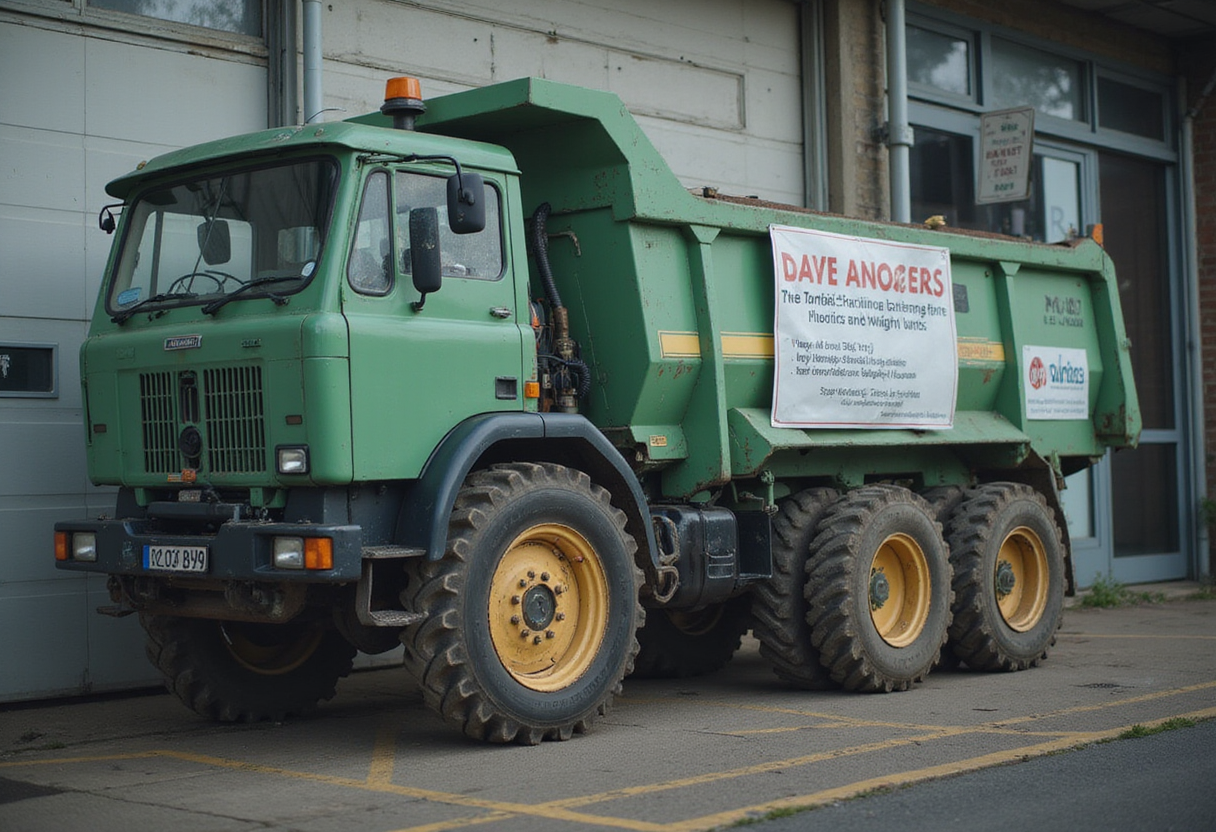
Legislation updating weight limits for farm equipment has advanced, changing the rules that govern how heavy agricultural machinery can be when it travels on public roads.
The bill updates existing statutory weight limits for farm equipment, a category of state law that directly affects how growers move tractors, combines, grain carts, and application equipment between fields. Weight restrictions matter at the farm level because they determine whether a producer can legally haul a full grain cart across a county road during harvest or must plan partial loads, additional trips, and extra fuel and labor to stay compliant.
The legislation was reported by Farm Week, the news outlet affiliated with the Illinois Farm Bureau, which tracks state-level agricultural policy affecting growers in Illinois.
Weight-limit statutes sit at the intersection of equipment trends and infrastructure policy. Modern combines, high-capacity grain carts, and liquid fertilizer application equipment routinely weigh more than machinery built a generation ago, and many state road-weight laws were written when farm equipment was smaller. When statutes lag behind equipment sizes, growers face a choice between operating underloaded or risking fines and road-damage liability.
For input suppliers and cooperatives, the rules also shape logistics. Anhydrous ammonia and liquid fertilizer delivery, grain haul-out from field to elevator, and custom applicators' movements all depend on what local roads and bridges can legally carry. Changes to weight allowances can alter the number of trips a cooperative's delivery trucks or a farmer's grain carts make per season, which feeds directly into per-acre hauling costs and, ultimately, basis at nearby elevators.
County engineers and township road commissioners, who maintain much of the rural road network in Illinois and across the Midwest, weigh the same question from the other side. Heavier loads accelerate wear on rural roads and bridges, many of which were engineered decades before modern farm equipment reached its current scale. Lawmakers writing weight-limit updates must balance farm-margin considerations against local road budgets, which in many rural counties are already stretched.
The legislation follows a pattern seen in several agricultural states, where farm groups have pressed lawmakers to align road-weight statutes with the equipment farmers actually operate. Producers argue that outdated limits effectively tax efficiency, forcing extra trips that burn additional diesel and add labor hours during narrow planting and harvest windows. Opponents of higher limits, typically represented by local government and transportation agencies, point to bridge ratings and maintenance costs on low-volume rural roads.
The specific figures in the new law — the updated pound limits, any permit requirements, and which classes of farm equipment are covered — were detailed in the original Farm Week report, and growers should verify the exact provisions against the enrolled bill text before adjusting hauling plans for the coming season. How enforcement will be handled, and whether the update includes seasonal waivers for planting and harvest periods, will determine the practical effect on day-to-day field-to-field movement.
Farmers hauling grain and inputs this season should also confirm whether the new limits apply to implements of husbandry only, or also to trucks and trailers used in support roles, since the distinction often determines whether a load is legal on a given township road.
The next step to watch is implementation: whether the state agriculture and transportation agencies issue guidance and permit procedures promptly, and whether county governments respond with their own road postings or restrictions that could narrow the practical effect of the new statewide limits.
via Google News: Farm equipment (Source)
More from Grace Kim
Show full bio
Correspondent covering industry trends and analytics at Agribusiness Wire.
159 articles
Also in the yard
- Illinois Harvest Traffic Prompts Safety Warning for Motorists and Farmers
- Illinois State Police Call for Caution as Farm Equipment Hits Roads for Harvest
- Minnesota Harvest Season Puts Slow-Moving Farm Equipment on Roads
- Farm Bill Stalls Over SNAP Fight as Illinois Counties Show Stakes
- MnDOT Urges Caution as Farm Equipment Hits Minnesota Roads for Harvest