Lot No. LOT-7219 · offered October 2, 2026
Agricultural PolicyLot sheet
Congress Misses Farm Bill Deadline as Harvest Costs Climb
Congress blew past the farm bill reauthorization deadline, leaving growers to harvest under elevated input costs and an outdated policy framework.
Market notes
- Congress missed its deadline to reauthorize the farm bill.
- The lapse coincides with climbing harvest-season costs for fuel, fertilizer and labor.
- Growers now plan under an outdated policy framework not calibrated to current input prices.
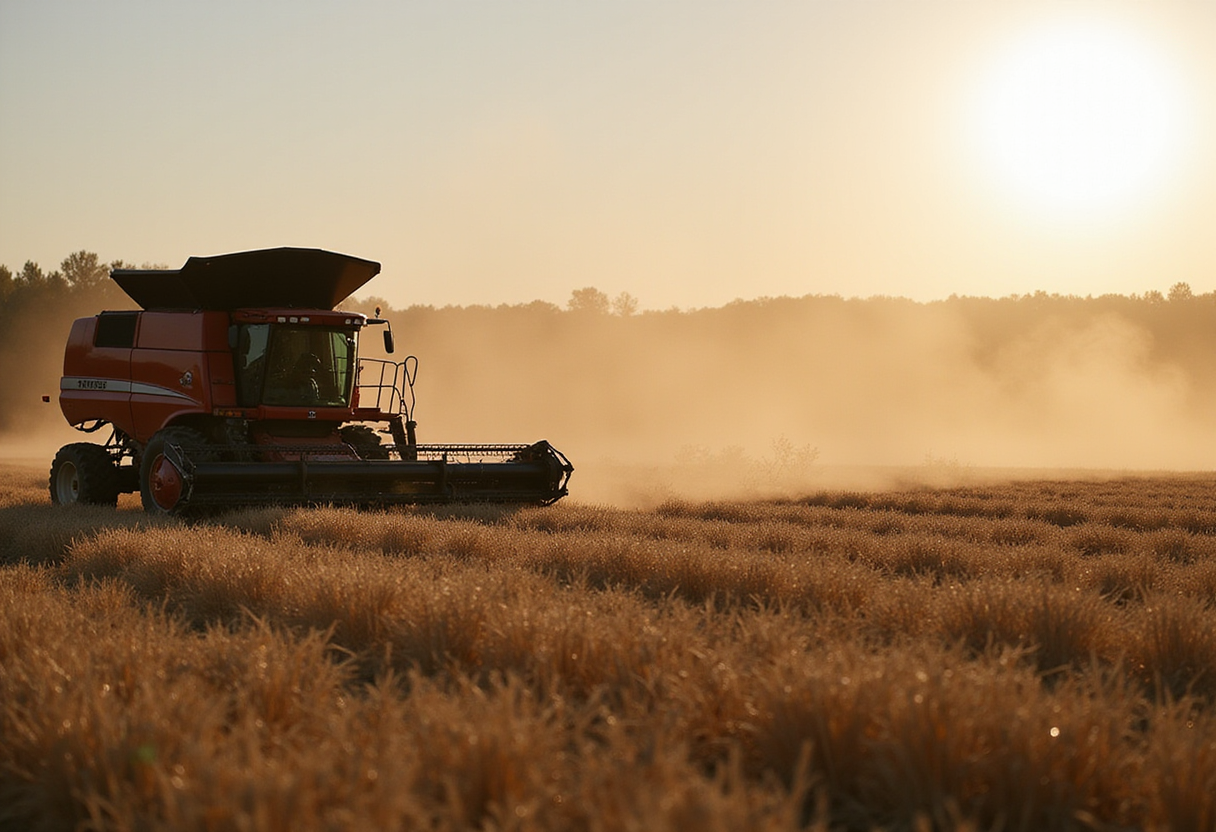
Congress has missed its deadline for reauthorizing the farm bill, leaving growers without an updated safety net as they bring in this year's crops under persistently high harvest costs.
The lapse adds another layer of uncertainty to a season already squeezed by elevated expenses for fuel, fertilizer, machinery and labor. Without a new authorization in place, farmers heading into harvest have no clearer picture of the commodity programs, crop insurance provisions and conservation funding that will govern their planning for the next planting cycle.
The farm bill is the primary vehicle for U.S. agricultural policy, setting reference prices, loan rates and the cost-share structure that shapes farm-level margins. When Congress fails to reauthorize it on schedule, growers and their lenders are left to budget against an outdated framework — one written for a different cost structure than the one farmers face today.
That mismatch is the core of the problem for farm-country balance sheets. Input costs have climbed sharply since the last farm bill was written, and the commodity support levels in current law were not calibrated to those price levels. Growers who expected a reauthorized bill to deliver higher reference prices or improved coverage now face the likelihood of planning another season under the old parameters.
The consequences fall unevenly across regions and commodity sectors. Grain producers weigh the gap between support levels and current production costs. Dairy operations, concentrated in states such as Wisconsin, monitor margin-protection provisions tied to the bill. Livestock and specialty-crop growers track disaster-assistance and conservation titles that also hang in the balance.
For farm cooperatives and input suppliers, the delay complicates forward planning as well. Retailers financing seed, chemical and fertilizer purchases into next season, and elevators setting basis against an uncertain policy backdrop, both face a longer window of guesswork than a timely reauthorization would have allowed.
Missed farm bill deadlines are not unprecedented, but each lapse carries real administrative friction. Programs can continue operating under continuing authority or short-term extensions, yet new enrollments, payment schedules and conservation initiative funding can slow or stall until lawmakers act. Historically, Congress has papered over gaps with extensions of existing law rather than letting major titles lapse outright — an outcome that preserves the status quo but delivers none of the updates farm groups have sought.
Farm organizations have spent the cycle pressing for a bill that reflects current production economics: higher reference prices, stronger crop insurance options and a stronger commodity title overall. The missed deadline pushes those asks further down the calendar and closer to the next planting season, compressing the time growers have to make acreage, financing and input-purchasing decisions with any policy certainty.
The political calendar remains the immediate variable. A reauthorization — or another extension — depends on congressional action that had not materialized by the deadline, and the timing of any floor consideration remains unclear.
With harvest underway and balance sheets tightening, growers will watch the next legislative window closely; whether Congress acts before planting decisions lock in will determine how much of the cost squeeze the current law's outdated support levels will have to absorb.
via Google News: Farm bill and ag policy (Source)
More from Nathan Brooks
Show full bio
Staff writer covering marketplaces and e-commerce at Agribusiness Wire.
186 articles
Also in the yard
- Farm Bill Deadline Passes Without New Law as Colorado Growers Sound Alarm
- Farm Bureau Presses Congress to Break Farm Bill Deadlock
- Senate Farm Bill Action Unlikely Until After Midterms
- Farm Bill Deadline Passes Without New Bill as Colorado Grower Flags Rising Costs
- Farm Bill 2.0 Advances as Corn Growers Face Costly Harvest