Lot No. LOT-1387 · offered November 17, 2026
Crop EconomicsLot sheet
Early California crops test growers’ shifting supply chains
California crops arrived up to four weeks early as Homegrown Organic Farms links regenerative practices, employee ownership and retailer coordination to a shifting growing season.
Market notes
- Some California crops arrived 3-4 weeks earlier than normal as warmer temperatures accelerated harvests.
- The AgNet News Hour discussion is Part 1 of a two-part conversation with Stephen Paul and Nick Papagni.
- Homegrown has used regenerative practices for several years, and some affiliated growers are in year seven.
- Homegrown now markets four berry categories and also sells citrus, stone fruit, figs and pomegranates.
- Mexico and Peru supplement international sourcing for more consistent year-round supply.
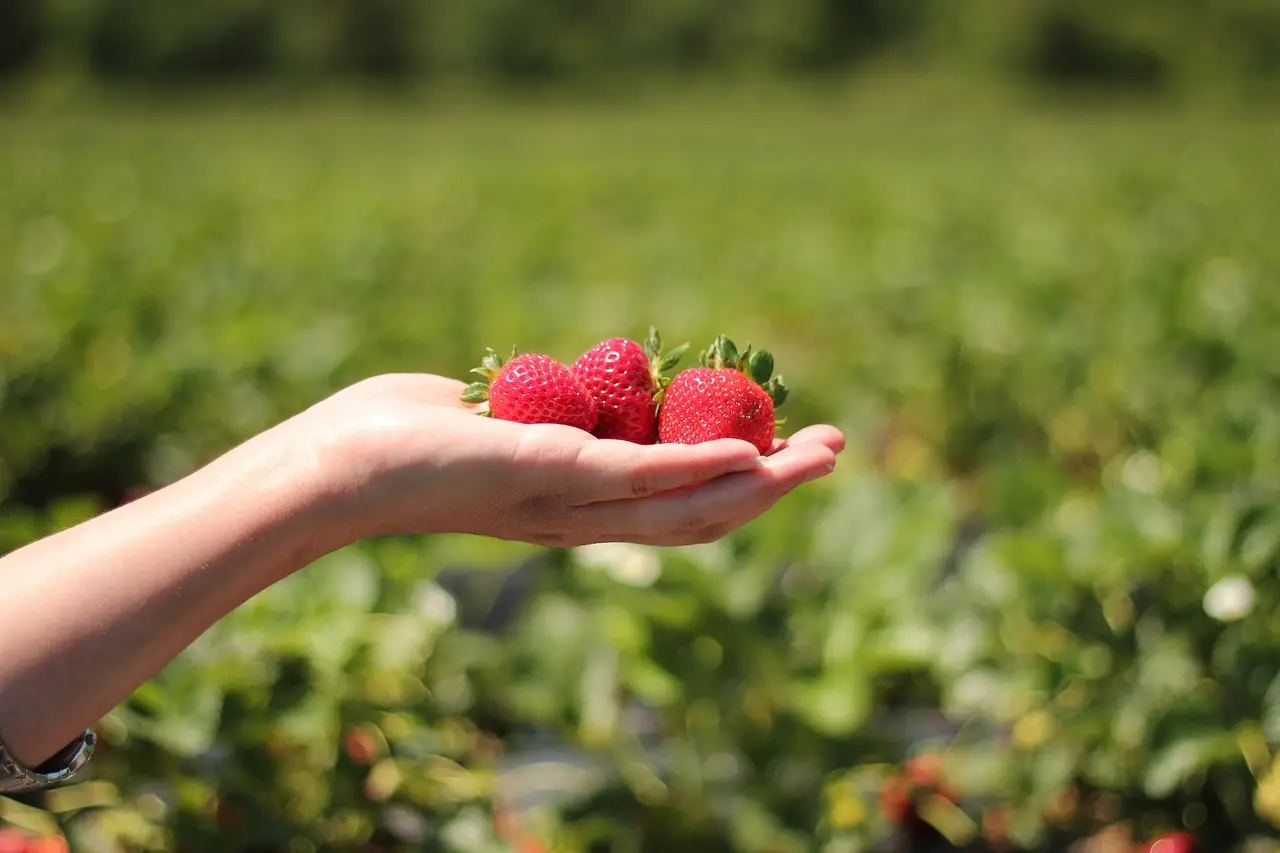
“Some crops arrived three to four weeks earlier than normal,” Stephen Paul of Homegrown Organic Farms said as warmer temperatures accelerated harvest schedules across several commodities.
Paul, speaking with AgNet News Hour host Nick Papagni in the first installment of a two-part interview, described an unusual California growing season. His account concerns current field conditions and market timing; the source did not provide final harvested yields, affected acreage or crop-specific margin data.
How does an earlier harvest affect farm returns?
An earlier arrival can unsettle the commercial timetable. Paul said the shifts disrupted promotional schedules (retail advertising and sales windows), affected fruit sizing and required more coordination throughout the supply chain. For growers and retailers, those changes complicate promotions and inventory planning without establishing whether returns improved.
Paul linked the reshaping operating environment to unpredictable weather, changing consumer preferences and rising production costs. The interview did not itemize input costs or basis (the difference between cash and futures prices), so the effect on farm margins cannot be isolated. The source did not say whether the added coordination increased costs.
Homegrown has responded by maintaining transparent relationships with retailers, Paul said, as the company works through harvest windows that no longer match established assumptions.
What does regenerative farming change at Homegrown?
Interest is growing in Regenerative Organic Certified (ROC) farming, which the interview described as emphasizing soil health, biological activity and reduced soil disturbance. Homegrown has incorporated regenerative methods for several years, and Paul said some affiliated growers are seven years into the process.
The company is seeing encouraging results, Paul said, and believes healthier soils can contribute to stronger crops and improved productivity. He supplied no comparative yield, soil-test or cost figures to test that assessment, leaving the reported gains qualitative rather than a measured production result.
Regenerative practices do not stand alone in the company’s model. Homegrown also has embraced the Equitable Food Initiative (EFI), a program focused on workforce development, labor practices and social responsibility. Paul characterized organic production, regenerative agriculture and workforce responsibility as three complementary parts of how the company grows food.
Why did Homegrown become employee-owned?
Homegrown is now employee-owned. Its founders chose to preserve the business through an employee stock ownership plan (ESOP), which places ownership in an employee-owned structure, rather than sell to outside investors. The structure places employee ownership alongside the labor and social-responsibility priorities Paul described.
The company also continues to expand its assortment. Consumer demand remains particularly strong for berries, and Homegrown now markets blueberries, strawberries, blackberries and raspberries. Its portfolio extends to citrus, stone fruit, figs, pomegranates and other specialty crops.
Mexico and Peru provide international sourcing that helps Homegrown maintain more consistent year-round supply. The source did not report import volumes, acreage or sales by commodity, so the scale of expansion and the contribution from overseas production remain unquantified.
What could winter rainfall change?
With winter storms approaching, Paul identified two opposing effects from additional rainfall: potential improvement in water supplies and challenges for coastal strawberry growers. Rain benefits and storm-related production effects were forward-looking assessments, not harvested results, and the interview offered no rainfall totals or crop-loss estimate.
Paul also expressed concern about California’s increasingly difficult farming environment, particularly the potential loss of family farms and the consequences of relying too heavily on imported food. He argued that agriculture should remain a policy priority “not only for economic reasons but also for the nation’s long-term food security.”
For growers, the next test is whether winter rainfall improves water availability without disrupting coastal strawberry production as earlier, less predictable harvests complicate retail scheduling.
via agnetwest.com (Source)
More from Rebecca Stone
Show full bio
Market editor covering people, launches and day-to-day practice in Agribusiness coverage for industry professionals at Agribusiness Wire.
517 articles
Also in the yard
- Harvest Pressure Drags Corn and Soybean Prices Lower
- Farm Bureau Survey Documents Fertilizer Price and Availability Strain
- Fertilizer Prices Expected to Hold at Elevated Levels
- Successful Farming maps 2026 grain marketing call: sell at harvest or carry to 2027
- Counterseasonal Price Pattern Raises 2026 Marketing Questions