Lot No. LOT-6305 · offered October 20, 2026
Commodity MarketsLot sheet
Drought Damage Lifts Prices of Jowar, Wheat, Bajra and Maize
Dry weather has lifted prices of jowar, wheat, bajra and maize, tightening feed and food grain supply before official crop-loss estimates arrive.
Market notes
- Drought-hit crops drove up prices of jowar, wheat, bajra and maize.
- All four staples rose together, pointing to weather as the common driver.
- Maize and jowar price gains pass quickly into poultry and livestock feed costs.
- Official harvest and procurement figures needed to confirm the size of the shortfall.
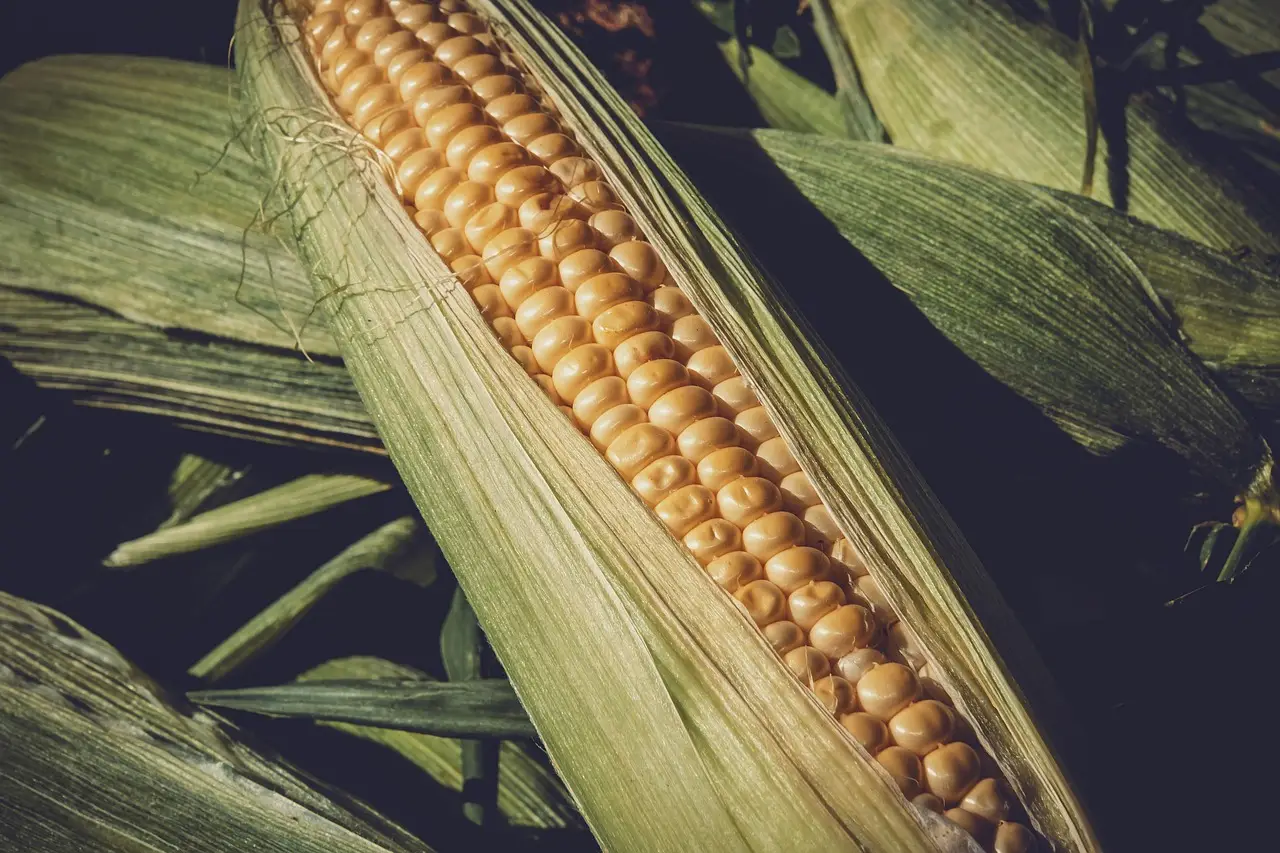
Drought-hit crops have pushed up the prices of jowar, wheat, bajra and maize — four staples that sit at the center of both feed rations and household food budgets in India.
The price movement follows poor growing weather rather than any shift in demand. Dry conditions reduced the quantity and quality of harvested grain, and buyers are now bidding against a thinner supply pool. That is the basic mechanism: less grain at market, more money per quintal.
What the price rise does not tell you, on its own, is how much of the crop was actually lost. Headline price gains can exaggerate a shortfall when traders anticipate scarcity and stockpile early. Until harvest-volume figures are published, the market is pricing expectation as much as reality.
Which crops are moving?
The affected list covers four commodities with different end uses:
- Jowar (sorghum) — a coarse grain used for both food and fodder;
- Wheat — the dominant food staple and a government-procured crop;
- Bajra (pearl millet) — a rain-fed grain grown largely in dryland zones;
- Maize — the main feed grain, where price moves pass quickly into poultry and livestock costs.
The fact that all four rose together points to weather as the common driver. A single-commodity rally might reflect a processing bottleneck or a trade disruption. A broad-based rise across food and feed grains fits a drought pattern.
Even so, identical weather does not produce identical price effects. Wheat, with government buffer stocks behind it, usually moves less sharply than rain-fed bajra, which has no such backstop. The strength of each rally depends on stock levels and procurement policy as much as on the field loss itself.
Who feels it first?
Feed buyers feel it first. Maize and jowar are feed inputs, so poultry, dairy and livestock operations absorb the rise within weeks through higher ration costs. Millers and flour buyers follow. Consumers see the effect last, and only partly, since grain is one component of retail food prices.
For growers who harvested a crop, higher prices offer partial compensation for lower yields. The arithmetic is unforgiving, though: if yields fall faster than prices rise, farm income still shrinks. A drought rally comforts the seller; it rarely makes the seller whole.
For farmers whose crop failed outright, the rally is irrelevant — they have nothing to sell. Their recovery depends on insurance payouts and state relief, not on the market.
What should buyers and growers watch now?
Watch three things. First, official production and procurement numbers, which will show whether the price rise matches the physical shortfall. Second, the monsoon's next phase, since late rain can still stabilize standing crops and soften expectations. Third, any government move on stock limits, export policy or open-market sales — each of these can cap or accelerate a weather-driven rally.
The core signal here is simple: drought has tightened grain supply, and the market has already priced that in before the loss estimates are final.
via Google News: Grain prices (Source)
More from Olivia Hart
Show full bio
News editor covering technology and product news in Agribusiness coverage for industry professionals at Agribusiness Wire.
462 articles
Also in the yard
- Maharashtra Grain Prices Rise as Drought Hits Crops
- Grain Prices Surge as Farmers Rush to Sell Stored Crops
- Crop Prices Jump Up to 30% but Agrochemical Demand Stays Weak: Jefferies
- Pakistan Government Pushes Wheat Seed Price Cuts Ahead of Sowing
- Supply Concerns Take Center Stage for Corn, Soybean and Wheat Prices