Lot No. LOT-2653 · offered October 20, 2026
Crop EconomicsLot sheet
Diesel and Fertilizer Prices Keep Squeezing Farm Margins
Diesel and fertilizer prices keep challenging farmers, The Post reports, putting fuel and nutrient costs back at the center of the farm-margin squeeze.
Market notes
- The Post reports diesel and fertilizer prices pose challenges for farmers
- Fuel and fertilizer rank among the largest variable costs in crop production
- Elevated diesel and fertilizer prices together raise a farm's break-even price
- Input-cost reporting reflects a publishing window and regional retail prices, not harvested results
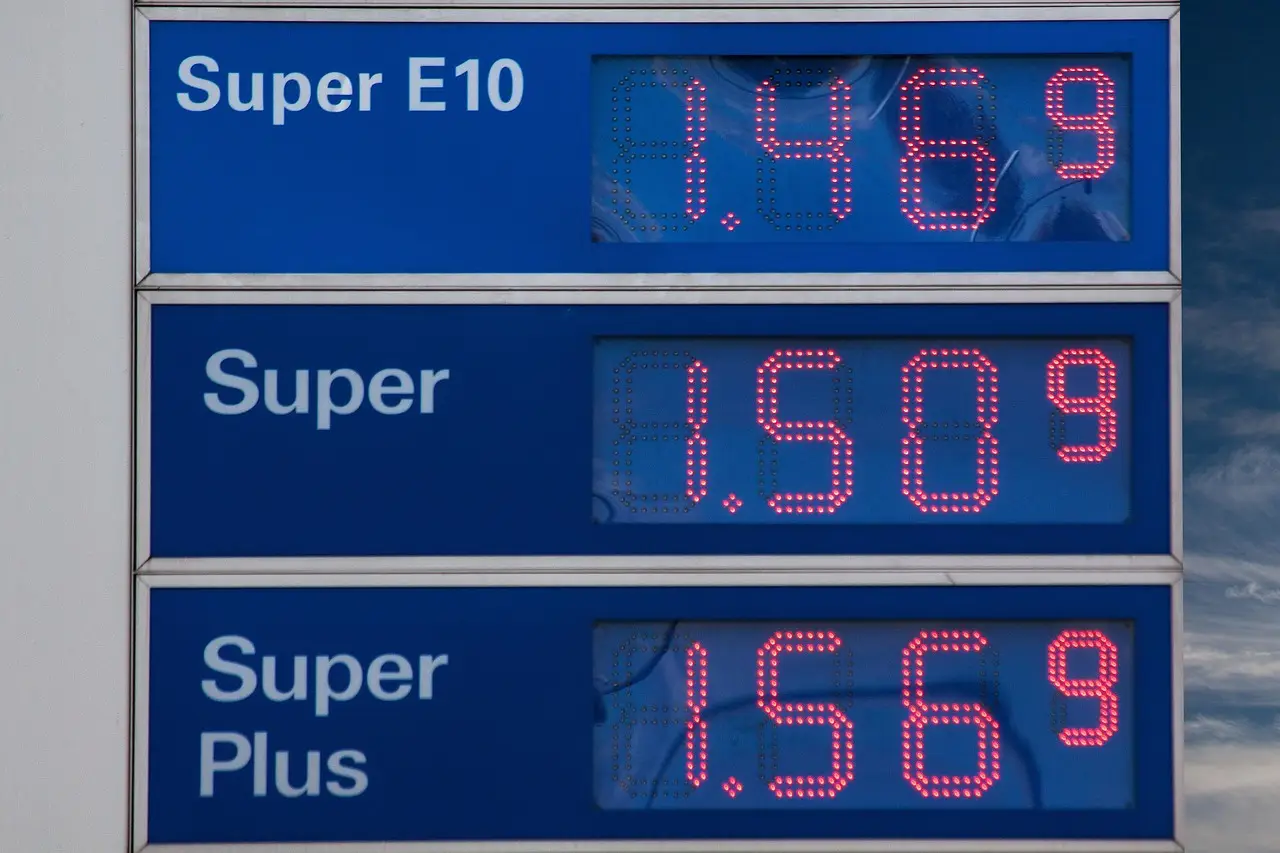
Diesel and fertilizer prices are posing fresh challenges for farmers, The Post reports, keeping fuel and nutrient costs at the center of the farm-margin debate.
The report doesn't break out new figures. But the headline lands where the money already is: fuel and fertilizer sit at the top of most crop budgets, and growers, input makers and farm cooperatives have spent the past several planning cycles managing exactly these two lines.
Why does this matter for margins?
Diesel touches nearly every field operation — tillage, planting, spraying, harvest and hauling. Fertilizer typically ranks as the single largest variable input in row-crop production. When both lines stay elevated at once, the squeeze hits twice: once in the field, once at the elevator, because higher production costs raise a farm's break-even price at a time when commodity prices don't always follow.
What does this change for the grower? In practice, it shifts decisions that were already in motion:
- Fertilizer application rates and timing, where agronomists have pushed split applications and soil testing to trim units without trimming yield
- Fuel purchasing, as farms weigh bulk buys and forward pricing against cash needs
- Tillage passes, since fewer trips across the field cut both diesel burn and labor hours
- Equipment plans, with diesel costs feeding into the buy-versus-keep math for tractors and combines
Condition reports, not harvested results
A word of caution on what this story is and isn't. Input-cost reporting is a snapshot, tied to a publishing window and to whatever local retail prices the reporter surveyed. It is not a harvested result. Fuel and fertilizer prices move regionally, week to week, and the numbers a grower actually pays depend on delivery terms, volume and timing.
Treat the headline the way an analyst treats any survey-based figure: check the date, check the region, and check whether your own supplier's board has moved the same direction since publication.
What to watch next
The forward view depends on the same variables growers have tracked all along — energy markets feeding diesel prices, natural gas costs driving nitrogen fertilizer production, and freight rates moving both products to the farm gate. Growers planning next season's input purchases will be watching whether retailers pass through relief or hold the line, and whether cooperative pricing offers any edge over retail. Until then, the pressure The Post flags stays exactly where farmers feel it most: in the cost lines at the top of the budget.
via Google News: Fertilizer markets (Source)
More from Nathan Brooks
Show full bio
Staff writer covering regulation, policy and their impact on Agribusiness coverage for industry professionals at Agribusiness Wire.
496 articles