Lot No. LOT-7153 · offered October 16, 2026
Crop EconomicsLot sheet
Diesel Prices Turn Tillage Passes Into Budget Breakers
Each tillage pass now costs more than winter budgets assumed as diesel spirals, and corn-followed soybean acres offer growers a ready no-till fit to cut the fuel bill.
Market notes
- Diesel costs have risen since crop budgets were drafted last winter
- Each tillage pass now costs more than planned winter estimates assumed
- Soybean acres following corn are strong candidates for no-till or reduced till
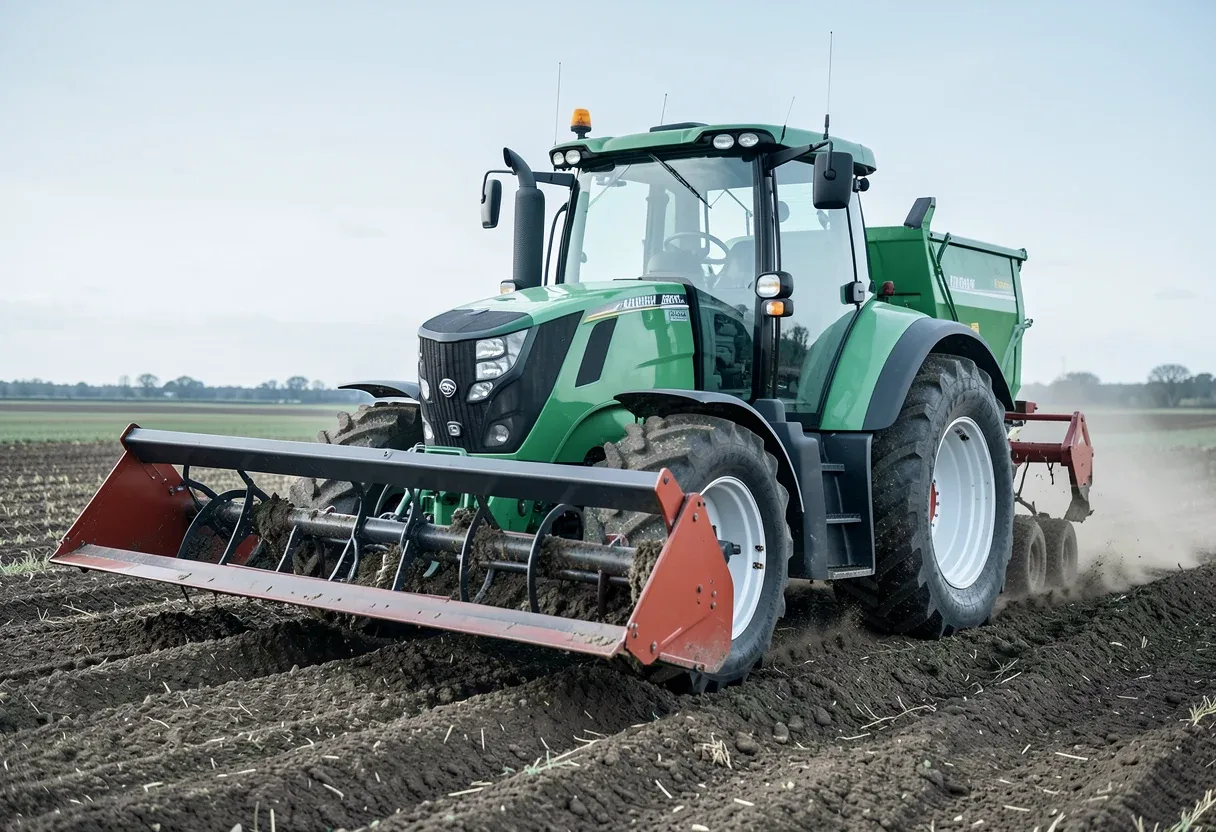
Every tillage pass now costs more than it did when growers penciled their crop budgets last winter, and diesel is the line item doing the damage. That's the blunt math from the latest cost alert, which points to one response: the cheapest tillage pass is the one you skip entirely.
Soybean acres coming out of corn are the clearest case. Those fields, the analysis notes, are often excellent candidates for no-till or reduced-till systems — meaning growers can cut fuel use without betting the agronomy.
Why the math moved
Budgets built last winter assumed a diesel price that no longer holds. Since then, fuel costs have spiraled, and each trip across the field with a tillage implement now carries a heavier tab than the one planners anticipated. Fixed decisions made months ago are colliding with a moving input cost.
The impact lands directly on margins. Diesel is a cash cost, paid before harvest revenue arrives, so every extra pass pushes the breakeven price for the crop higher. For corn-soybean rotations, where soybeans typically demand less seedbed preparation than corn, the margin case for fewer passes is straightforward.
What does this change for growers?
Practically, it puts pressure on spring field plans. Growers who budgeted conventional tillage on soybean stubble ground face a choice: absorb the higher per-pass diesel cost, or restructure the pass plan toward no-till or reduced-till on corn-soybean acres, where the source says the fit is strongest.
The decision isn't purely mechanical, either. Fewer passes mean:
- Lower diesel outlay per acre, with savings growing as fuel prices climb
- Less machinery hours and wear per season
- A cropping fit the analysis identifies specifically on soybeans following corn
The budget-versus-reality gap
The core tension here is timing. Crop budgets were made last winter, locking in assumptions about input costs. Diesel has since moved against those assumptions. That gap between the planning number and the pump number is what's driving the reassessment — and it's why the alert frames skipped passes as savings rather than lost yield protection.
Condition expectations and harvested results stay separate, as always. The claim here isn't that no-till beans will outyield tilled ground; it's that corn-followed soybean acres offer a strong structural fit for reduced passes, and that skipping a pass eliminates its fuel bill outright.
Going forward, growers revising budgets for next season will likely price diesel with a wider margin of error than last winter's plans allowed, and corn-soybean rotations give them the cheapest place to start cutting passes now.
via Farm Progress (Source)
More from Nathan Brooks
Show full bio
Staff writer covering regulation, policy and their impact on Agribusiness coverage for industry professionals at Agribusiness Wire.
468 articles