Lot No. LOT-1508 · offered September 29, 2026
Seeds, Crop Protection & FertilizerLot sheet
Dectes Stem Borer Confirmed in Mid-Michigan Soybean Fields
Dectes stem borer, a pest normally found in the southern and central U.S., was confirmed in Mid-Michigan soybeans in August. Growers are being urged to scout fields now.
Market notes
- Dectes stem borer was confirmed in Mid-Michigan soybeans in August, well north of its normal range in the southern and central U.S.
- Michigan Soybean Committee Research Director Mark Seamon is encouraging growers to scout for the pest.
- Hollow soybean plants are the signature symptom of Dectes stem borer infestation.
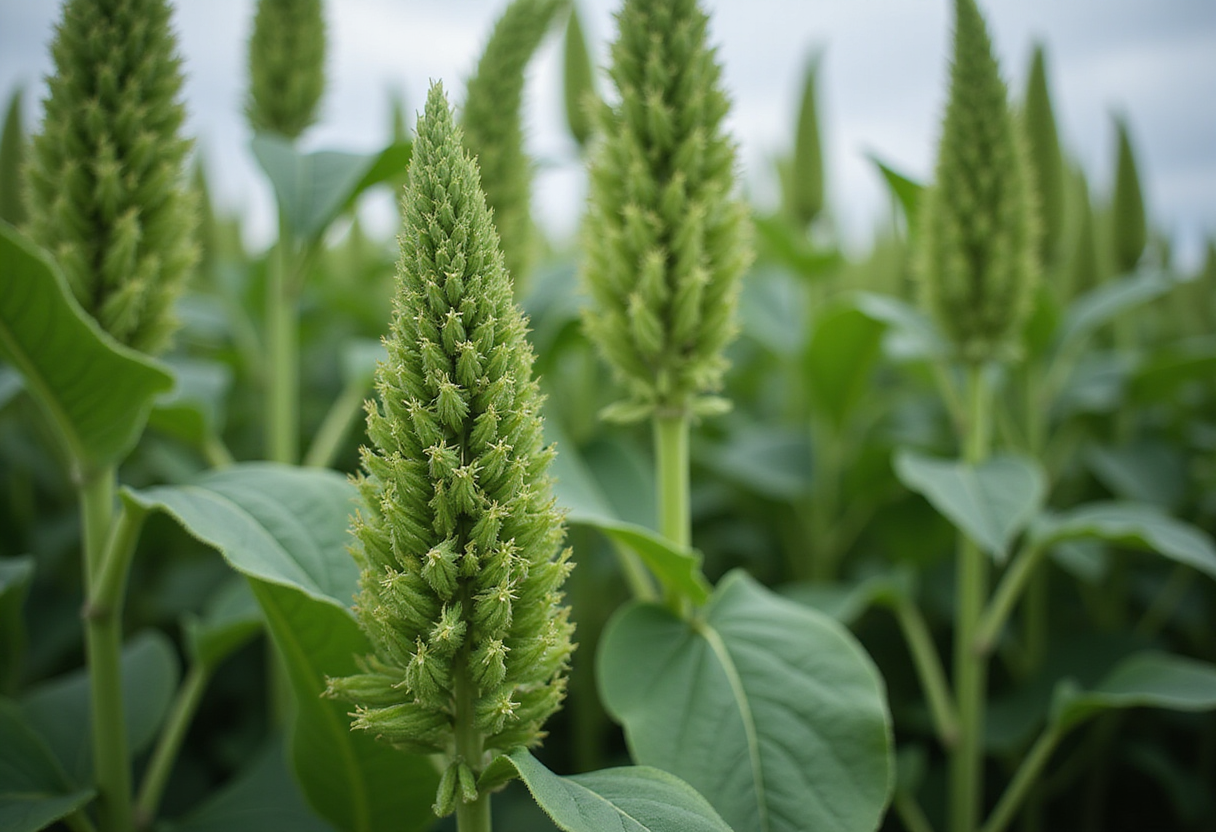
The Michigan Soybean Committee is urging growers to scout their fields after Dectes stem borer was confirmed in Mid-Michigan soybeans last month.
Mark Seamon, research director for the Michigan Soybean Committee, told Brownfield the pest was detected in August. "This is normally a pest of the southern U.S. or mid part of the country, and this year we found it way" north of its typical range, Seamon said.
The confirmation marks a geographic shift for an insect that growers in Michigan have not historically had to manage. Hollow soybean plants are the telltale sign of infestation, and the committee wants farmers checking fields now rather than after harvest reveals the damage.
Dectes stem borer larvae tunnel inside soybean stems, hollowing them out as they feed. The result is weakened plants that can lodge, complicating harvest and adding to losses at a time when growers are already managing tight margins on input costs and basis.
Seamon's advisory is the second time this season the state's soybean checkoff has flagged unusual pest pressure, and it comes as growers weigh whether the insect will persist in the region or whether this year's detection reflects an isolated northward push.
The Michigan Soybean Committee is not waiting for that answer. Its guidance is straightforward: walk fields, split suspect stems, and confirm what is inside before assuming drought or disease is to blame for hollow stalks.
For growers, the immediate cost of scouting is time. The cost of not scouting could be measured at the combine, where lodged, hollow-stemmed plants translate directly into header losses and slower harvest speeds.
Seamon and the committee are expected to track whether the borer overwinters in Michigan, a question that will shape management recommendations and potential insecticide or cultural-control economics for the 2025 season.
via canr.msu.edu (Original)
More from Rebecca Stone
Show full bio
Market editor covering industry trends and analytics at Agribusiness Wire.
135 articles
Also in the yard
- Drought Devastates Soybean Yields Across Central Kansas
- Michigan Corn, Soybeans Lag Averages but Look Better Than Expected
- Soybean Growers Welcome New Crop Protection Tool Approvals
- Rain Keeps North Iowa Combines Parked; Soybean Losses a Worry
- Soybeans Lead Broad Grain Selloff That Squeezes U.S. Farm Margins