Lot No. LOT-7624 · offered September 29, 2026
Seeds, Crop Protection & FertilizerLot sheet
Crop Protection Market to Exceed $106 Billion by 2030
A new report projects the global crop protection market will exceed $106 billion by 2030, driven by escalating pest threats that keep pushing farmers' input costs higher.
Market notes
- Global crop protection market projected to top $106 billion by 2030
- Report attributes growth to escalating pest threats facing farmers worldwide
- Forecast signals continued upward pressure on per-acre chemical input budgets
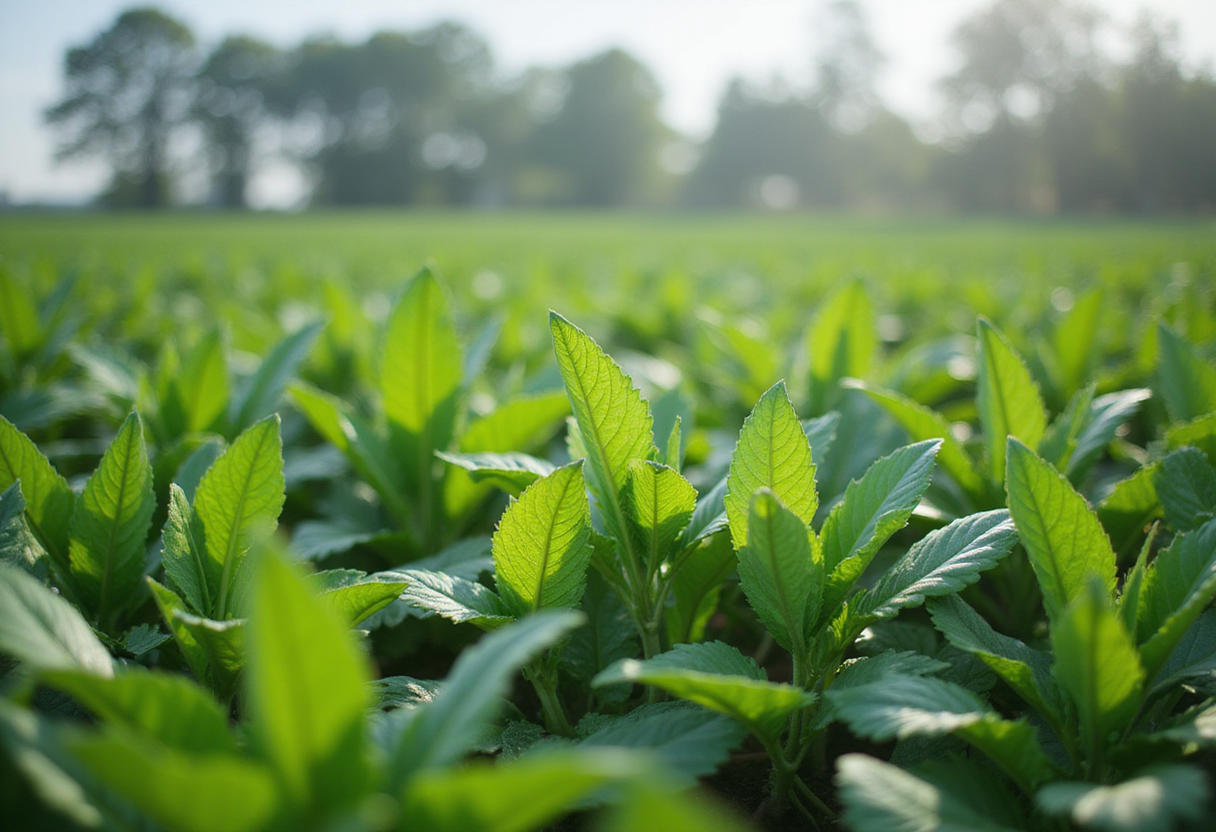
A new market report projects the global crop protection sector will pass $106 billion by 2030, a forecast that signals continued growth in one of the largest line items on farmers' input ledgers. The report ties the expansion to escalating pest threats that growers worldwide are struggling to contain.
For row-crop and specialty-crop producers alike, the number is more than an industry milestone. It points to a decade in which spending on herbicides, insecticides and fungicides is set to rise, pressuring per-acre input budgets already stretched by elevated prices for fertilizer, seed and machinery. If the projection holds, crop protection chemicals will remain a central driver of variable costs — and a central factor in gross-margin math at the farm gate.
The forecast rests on the premise that pest pressure is intensifying rather than stabilizing. Growers are battling escalating threats, the report states, a formulation that covers the range of forces agronomists and extension economists have tracked in recent seasons: resistant weed and insect populations, shifting pest ranges, and yield losses that compound when control programs slip. Each of those forces pushes farmers toward either more applications, newer chemistry, or both — and both raise costs.
The projection to $106 billion by 2030 covers the global market, meaning it aggregates highly divergent regional pictures: mature markets where generic products and traited seed have reshaped chemical budgets, and developing markets where adoption of crop protection products is still climbing. The global figure therefore should be read as a trend indicator, not a forecast of what any single grower in the Corn Belt, the Plains or the Southeast will pay per acre. Basis-level effects — what a U.S. farmer actually spends — depend on product mix, resistance pressure, retailer pricing and the availability of generic alternatives.
For input makers, the forecast implies a market with durable demand, even as regulatory scrutiny of established chemistries continues in the United States and the European Union. For cooperatives and retail agronomy channels, it suggests crop protection will keep anchoring customer relationships and prepay programs. For lenders and farm managers, it is a reminder that chemical costs warrant line-item scrutiny in operating budgets, not a lump sum.
As with any market projection, the $106 billion figure is a forecast, not a harvested result. It depends on assumptions about planted acreage, pest incidence, product launches, regulatory outcomes and currency movements between now and 2030. Growers and ag economists will want to check the underlying methodology — the survey base, the reporting window and whether the figure is stated in constant or nominal dollars — before treating it as a planning input.
What is not in dispute is the direction: pest threats that growers describe as escalating are the engine behind the forecast, and the report expects that pressure to keep demand for crop protection rising through the end of the decade.
via Google News: Crop protection (Source)
More from Olivia Hart
Show full bio
News editor covering media and advertising at Agribusiness Wire.
137 articles
Also in the yard
- Ag Groups Warn Crop Protection Access At Risk in House Farm Bill Debate
- Challenge 250: New Crop Protection Initiative Targets Invasive Pests
- Pest Resistance Reshapes U.S. Crop Protection Strategies
- Soil Health Emerges as New Frontier in U.S. Crop Protection
- Farm Economists Warn Fertilizer Prices May Keep Climbing