Lot No. LOT-6263 · offered October 27, 2026
Ag Finance & InvestmentLot sheet
CoBank: $9.6 Billion Margin-Call Exposure Looms Over Grain Elevators
A $1 rally in corn, soybean and wheat could trigger $9.6 billion in margin calls industry-wide, CoBank warns, as elevators own nearly half of local crops.
Market notes
- A $1-per-bushel rally in corn, soybean and wheat futures could trigger about $9.6 billion in margin calls industry-wide, per CoBank.
- Elevators in many locations expect to own close to 50% of the local corn and soybean crop after harvest, versus a typical 35%-40%.
- Corn futures approached $5 per bushel, prompting aggressive farmer cash selling during recent rallies.
- Wheat futures carry may not cover storage and financing costs; corn offers relatively favorable carry recovery.
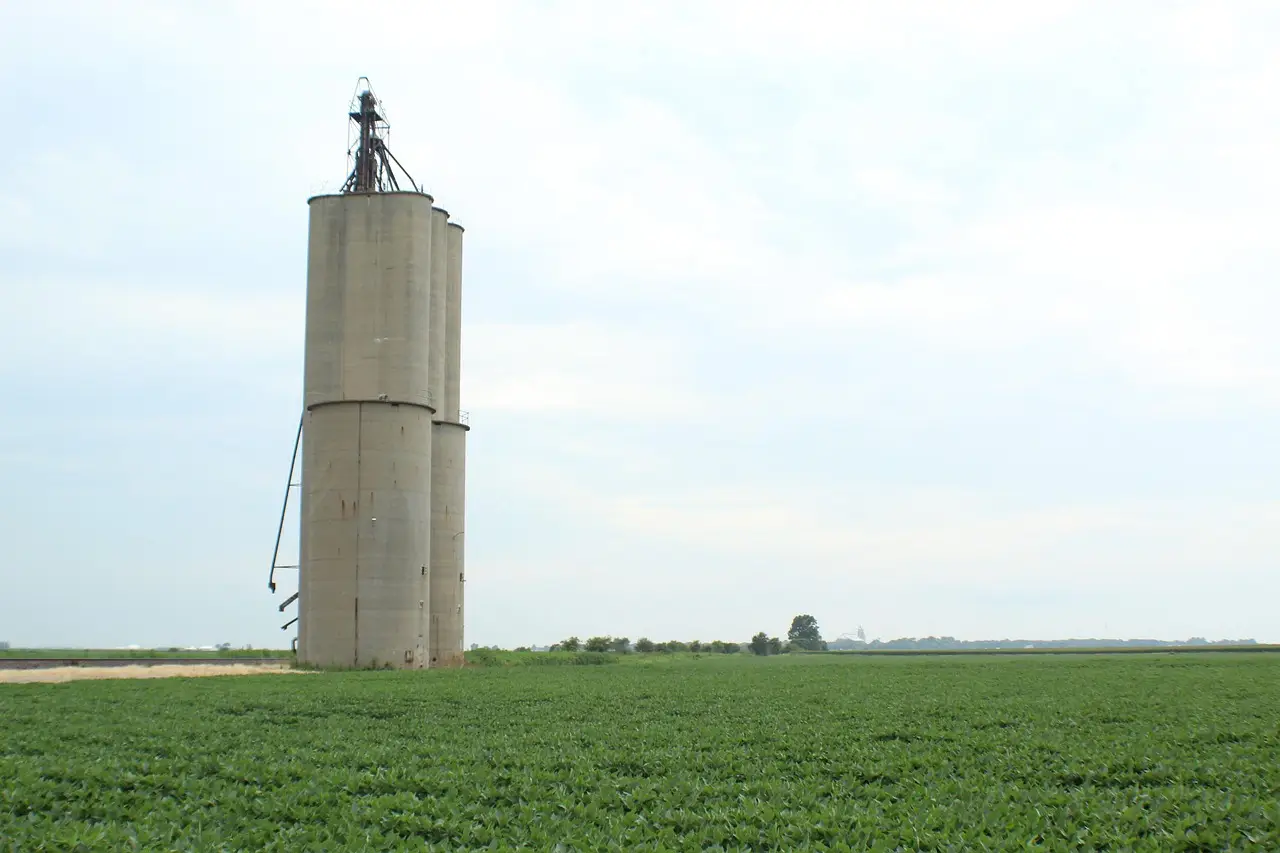
A $1-per-bushel rally in corn, soybean and wheat futures could trigger roughly $9.6 billion in margin calls for commercial grain firms across the industry in the coming months, according to a new report from CoBank's Knowledge Exchange. The figure anchors a marketing year in which elevators and cooperatives are carrying larger inventories, at higher values, with borrowing costs still elevated.
Aggressive farmer selling during recent rallies in corn, soybean and wheat markets has left elevators holding larger ownership positions than normal. In many locations, elevators expect to own close to half of the local corn and soybean crop after harvest, against a typical level of 35% to 40%. Producers increasingly favor cash sales at harvest while maintaining market exposure through futures contracts, options and other marketing tools rather than storing physical grain.
"Today's grain market presents a unique combination of challenges for merchandisers," said Tanner Ehmke, lead grains and oilseeds economist with CoBank. "Commercial firms are carrying larger inventories at a time when financing costs remain elevated and price volatility continues to create significant margin-call exposure. While strong producer selling has helped farmers capture favorable prices and improve cash flow, it has transferred both inventory ownership and risk management responsibilities to elevators and cooperatives that must now navigate a much more capital-intensive operating environment."
Why are farmers selling so aggressively?
Several factors drive the trend. Corn futures approaching $5 per bushel, with similar strength in other grain markets, have many farmers viewing current prices as attractive opportunities to lock in revenue. Producers also continue to prioritize cash flow. Elevators report earlier payment requests and an increase in grain delivered directly against existing contracts.
What does the hedge book mean for liquidity?
As grain ownership shifts from farms to commercial firms, merchandisers are assuming larger short futures positions to protect inventory values. Those hedges offset price risk on physical grain, but they expose companies to significant liquidity demands during rallies. Rising grain prices lift the value of owned inventory, yet losses on short futures positions must be settled immediately through margin payments, often before physical grain can be marketed and converted into cash.
The CoBank report flags that scenario as a funding risk for the whole channel: substantial short-term liquidity needs could place additional pressure on lenders that finance grain inventories and merchandising operations.
Carrying costs have climbed sharply too. Higher commodity prices mean each bushel requires more capital to finance, and higher interest rates raise borrowing expenses. For grain companies holding millions of bushels, even modest increases in financing costs can meaningfully dent profitability.
The storage math varies by commodity:
- Corn: futures market structure currently offers a relatively favorable opportunity to recover carrying costs.
- Wheat: available futures carry may not cover storage and financing expenses.
- Soybeans: limited carrying opportunities sit in between, encouraging faster inventory movement, though logistical and transportation constraints may limit it.
How do transportation costs threaten local basis?
Rising diesel prices, railroad fuel surcharges and higher freight rates are increasing the cost of moving grain from elevators to processors, livestock operations and export terminals. The squeeze could sharpen after harvest, when grain movement and transportation demand intensify. If fuel costs stay elevated, elevators face a choice between accepting lower margins, widening basis levels or delaying shipments.
Freight capacity adds another layer. Larger inventories from heavy farmer selling could congest rail and barge networks if many companies move grain simultaneously. Slower movement compounds financial pressure by extending holding periods, increasing financing costs and requiring larger hedge positions that amplify margin-call exposure.
What does this change for merchandisers?
Ehmke said successful risk management in the coming marketing year will depend heavily on liquidity planning.
"Grain companies may need to secure additional working capital earlier than normal, incorporate transportation expenses more aggressively into basis decisions and ensure adequate access to financing during periods of heightened market volatility. Those that proactively manage cash flow, financing capacity and logistical execution will be best positioned to navigate an environment where uncertainty and volatility remain elevated," he said.
For growers, the practical takeaway is basis behavior: as elevators absorb bigger inventories and heavier freight costs into the new marketing year, local basis levels and pickup windows — not futures alone — will determine how much of the rally actually reaches the farm gate.
via u7061146.ct.sendgrid.net (Original)
More from Nathan Brooks
Show full bio
Staff writer covering regulation, policy and their impact on Agribusiness coverage for industry professionals at Agribusiness Wire.
503 articles
Also in the yard
- Grain Marketing Window Question Hangs Over Growers
- Soybeans Drop Nearly 37 Cents as U.S. Grain Markets Open the Week Lower
- Grain Markets Rally as Global Tensions Drive New Price Surge
- Harvest Pressure Drags Corn and Soybean Prices Lower
- Grain Rally Lifts U.S. Farm Outlook, But Input Costs Keep Squeeze On