Lot No. LOT-5887 · offered October 24, 2026
Ag Finance & InvestmentLot sheet
Pinion Advisers: Stress-Test Farm Cash Flow Before Margins Tighten
Pinion advisers outline a cash flow stress-test method: pair a 10% grain price drop with higher costs, run drought scenarios for cattle, and act before working capital runs out.
Market notes
- Pinion's Thomas Eatherly recommends best-, average- and worst-case cash flow scenarios for this year and next
- A sample crop scenario tests a 10% grain price decline, optionally paired with higher operating or borrowing costs
- Sam Sterling advises cattle producers to start with a drought scenario combining less pasture, higher feed costs and earlier herd-size decisions
- Darin VanVactor of Pinion Risk Management says a downside scenario that drains working capital or creates a financing gap is the signal to act
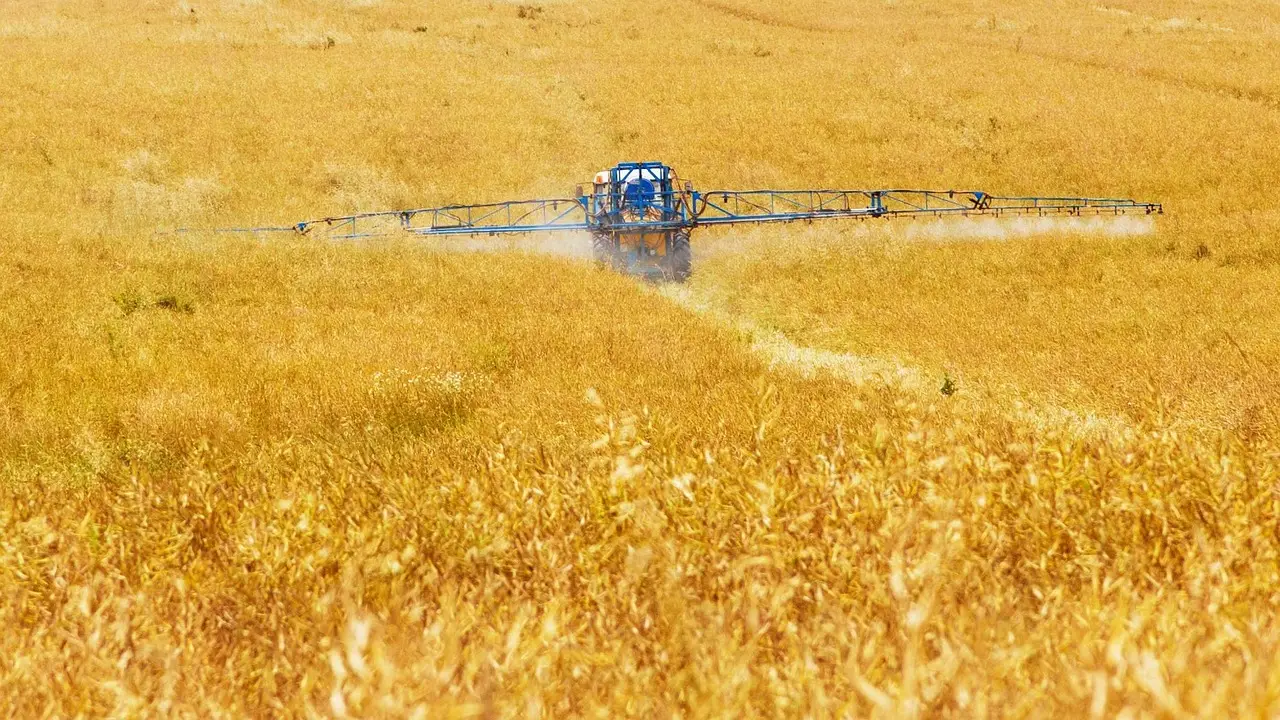
A 10% decline in grain prices — paired with higher operating costs or borrowing expenses — is the kind of combined scenario Pinion advisers say every farm should run against its cash flow projection before tighter margins force the issue.
The method is straightforward. Take the base cash flow projection already prepared for planning and lender discussions, then adjust the variables that carry the most risk: commodity prices, yields, fertilizer, fuel, seed costs and interest expense for crop operations. One scenario tests the price drop alone. Another stacks softer prices on top of higher input or financing costs.
'A profitable year does not guarantee the next one'
Thomas Eatherly, farm financial business adviser at Pinion, frames the exercise as basic preparation for fast-moving markets.
"Stress testing cash flow is critical when commodity prices and major expenses can change quickly," Eatherly said.
Shifts in fuel and fertilizer costs, yields, repairs, equipment needs or acres farmed can reshape a farm's financial outlook in short order. Eatherly recommends building best-, average- and worst-case scenarios for this year and next, using reliable numbers rather than guesses.
"A profitable year does not guarantee the next one will be profitable," he said.
Some of the risk can be managed in advance: locking in fertilizer prices, using crop hedges or cash contracts, and timing major equipment purchases to fit cash flow. Comparing each scenario against the base projection shows whether the operation holds enough working capital and liquidity to absorb a setback — and where a change in expenses, financing or marketing is needed before margins tighten further.
What does a cattle stress test look like?
The same principles apply to cattle operations, but the assumptions differ. Cattle prices, feed costs, weather and pasture or hay availability can hit revenue and expenses simultaneously.
"Cattle operations have risk coming from both sides of the cash flow," said Sam Sterling, ag business adviser at Pinion. "You can have strong cattle prices and still find yourself under pressure if drought limits grazing and feed costs climb. The stress test needs to account for what happens when those pressures hit at the same time."
Sterling advises starting with a drought scenario — less available pasture, higher feed costs, an earlier decision about herd size — then pairing it with softer cattle prices. "If the operation can work through that combination, you have a much clearer picture of how much flexibility you really have," he said.
The right scenario varies by operation. A cow-calf business with ample forage may test a price decline, while an operation already buying feed may focus on further cost increases. The value comes from conditions that reflect the business, not a generic percentage applied across every category.
When pressures compound
The most useful tests combine pressures rather than isolating them. Combined scenarios show not only whether cash flow turns negative, but when. Timing matters: a shortfall early in the production cycle may demand a different response than one near harvest or sale time.
The exercise also sharpens conversations with lenders and advisers. Instead of discussing risk in general terms, farmers can show how specific changes affect debt service, working capital and the amount of operating credit the business may need.
Turning results into action
Finding a weak spot is only the first step. Darin VanVactor, adviser at Pinion Risk Management, recommends asking what caused the weakness and what it takes to correct it — with peers, board members and trusted advisers validating the numbers before the plan goes to a lender.
"The results should point you toward the risk-management tools that address the operation's greatest exposure," VanVactor said. "If the stress test shows a price decline creates the biggest strain, review your marketing and revenue protection. If rising costs are the problem, focus on purchasing decisions and cost controls. The plan should respond to what the numbers are telling you."
Risk protection carries its own cost, so the objective is not to guard against every outcome. The point is to compare the cost of protection against the potential loss.
"When the downside scenario uses up the operation's working capital or creates a financing gap, that is a sign to act," VanVactor said. "Those conversations are much easier before the pressure becomes an immediate cash flow problem."
By showing which changes an operation can withstand and which demand a response, stress testing turns a cash flow projection into a working planning tool. Farmers don't need certainty to prepare — they need a clear view of their exposure, and time to act while options remain.
via High Plains Journal (Source)
More from Nathan Brooks
Show full bio
Staff writer covering regulation, policy and their impact on Agribusiness coverage for industry professionals at Agribusiness Wire.
500 articles