Lot No. LOT-4008 · offered November 6, 2026
Crop EconomicsLot sheet
CHS nearly doubles net income to $1.1B in fiscal 2026
CHS posted $1.1 billion in net income for fiscal 2026, up from $597.9 million, on $39.2 billion in revenues, with energy refining and soy crush margins driving the gain.
Market notes
- CHS reported fiscal 2026 net income of $1.1 billion, up from $597.9 million in fiscal 2025.
- Consolidated revenues rose to $39.2 billion from $35.5 billion, largely on higher commodity prices.
- Energy pretax earnings hit $554.6 million, a $573.6 million improvement over the prior year.
- CHS plans $300 million in cash patronage and equity redemptions to owners in fiscal 2027, up about 150%.
- Planned investments include a ~$450 million Louisiana phosphate plant and a ~$700 million Wisconsin soybean facility, operational in late 2028 or 2029.
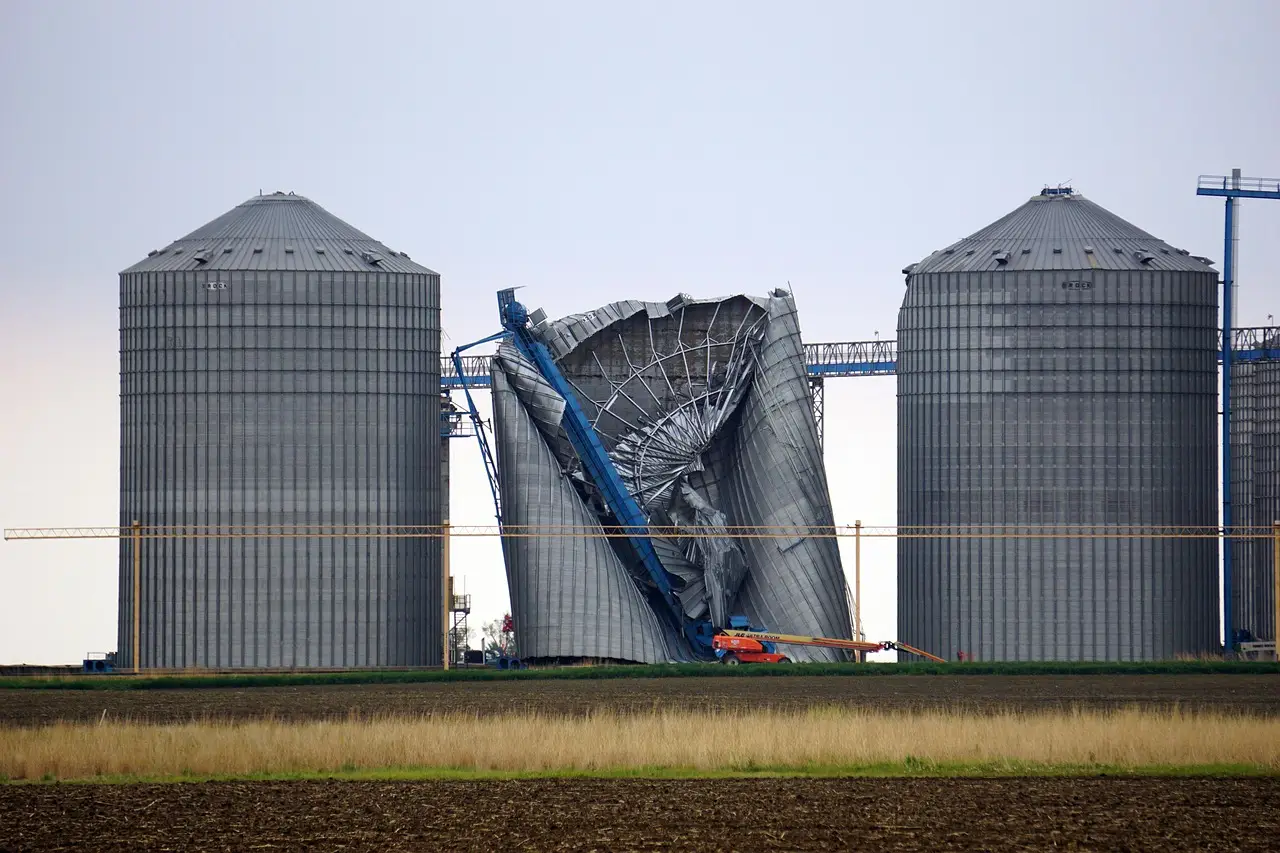
CHS Inc., the largest farmer-owned cooperative in the United States, reported net income of $1.1 billion for fiscal year 2026, nearly double the $597.9 million it earned in fiscal 2025, according to results released November 4.
Consolidated revenues rose to $39.2 billion from $35.5 billion a year earlier. The cooperative attributed the increase largely to higher commodity prices, not volume growth — a distinction that matters for farmers watching input costs.
Where the money came from
The Energy segment produced pretax earnings of $554.6 million, a swing of $573.6 million versus the prior year, meaning energy moved from roughly breakeven to the company's biggest profit engine. The gain rested on:
- Significantly improved refining margins driven by global market dynamics, partly offset by unrealized hedging losses.
- Record-high renewable fuels compliance costs, including expenses for renewable energy credits (RINs), softened by reduced blending obligations at the Laurel, Montana, refinery.
- Strong refinery operations enabled by recent capital investments.
Grains earned $127.4 million before tax, up $83.4 million. Oilseed crush margins strengthened in the second half of the fiscal year as biofuels blending obligations grew, and ethanol margins responded to U.S. policy shifts. Feed grain export volumes were solid. But global trade volatility and weakening retail margins ate into those gains.
Agronomy fell to $354.6 million in pretax earnings, down $20.6 million. The CF Nitrogen joint venture performed well on favorable urea and UAN markets, yet U.S. farmers deferred purchases amid ongoing weakness in the farm economy, cutting volumes and squeezing agronomy margins under strong competition.
Corporate and Services, which includes CHS Capital, CHS Hedging and the Ardent Mills and Ventura Foods joint ventures, earned $92.1 million before tax — down $122.4 million, largely because a 2025 Ventura Foods gain on a business sale did not repeat and joint venture equity earnings declined.
In short: policy-driven energy and crush margins lifted the cooperative while weak farm demand held back its agronomy business.
What did management say?
"Our results demonstrate the strength of our diversified businesses and strategic supply chain investments," said Jay Debertin, CHS president and chief executive. "While market and policy conditions continued to shift and create volatility throughout the year, our teams executed exceptionally well across our operations, allowing us to capture opportunities in energy and agriculture markets while continuing to serve our owners."
What flows back to farmer-owners?
CHS plans to distribute $300 million in cash patronage and equity redemptions to owners in fiscal 2027 — roughly a 150% increase over the fiscal 2026 distribution. The total splits into $150 million in cash patronage and up to $150 million in equity redemptions. Once those payments are complete in 2027, CHS will have returned more than $2.7 billion to owners over five years.
"These planned cash returns to our owners demonstrate the benefits of CHS ownership and the CHS Board of Directors' commitment to sharing profits with our owners and strengthening rural communities, while investing in our businesses," Debertin added.
How much of it is forecast?
The cash returns remain an intention, not a completed payment, and both figures await fiscal 2027 board decisions.
CHS also announced two capital projects: a proposed nearly $450 million phosphate production facility in Louisiana in a joint venture with OCP North America, and a roughly $700 million soybean processing facility in Evansville, Wisconsin, that would expand CHS soy processing capacity by two-thirds. Pending approvals, both facilities would come online in late 2028 or 2029.
Neither plant will affect the balance sheet or crush capacity until the end of the decade, leaving near-term results dependent on the same refining margins, RIN costs and biofuels policy that shaped fiscal 2026.
via Feedstuffs (Source)
More from Olivia Hart
Show full bio
News editor covering technology and product news in Agribusiness coverage for industry professionals at Agribusiness Wire.
476 articles
Also in the yard
- Finstad: $14.6B Crop Receipt Jump Not Enough as Input Costs Bite
- USDA commits $472.5 million to farm commodity purchases
- Soybean oil demand and cattle imports lead agribusiness week
- Capital Flows and Carbon Credits: AgTech's Week in Numbers
- $6.28 Diesel and a Stalled Senate Bill: Biofuel CEOs Push E15 as the Pump Fix