Lot No. LOT-7965 · offered November 6, 2026
Agricultural PolicyLot sheet
USDA commits $472.5 million to farm commodity purchases
USDA will direct $472.5 million through Section 32 to dairy, pulses, animal proteins, specialty crops and rice as pulse exports fall 58% and lentil plantings drop 30%.
Market notes
- USDA will make $472.5 million in Section 32 agricultural purchases, the largest of Secretary Rollins's tenure.
- $165.5 million covers dairy products, following $148 million in Section 32 dairy purchases announced in February.
- $86 million covers split peas, lentils and chickpeas for northern Plains and Pacific Northwest growers.
- Animal proteins receive $93 million, specialty crops nearly $107 million and rice $21 million.
- Dry pea and lentil exports fell 58% from July 2025 through May 2026; lentil plantings fell 30% in spring 2026.
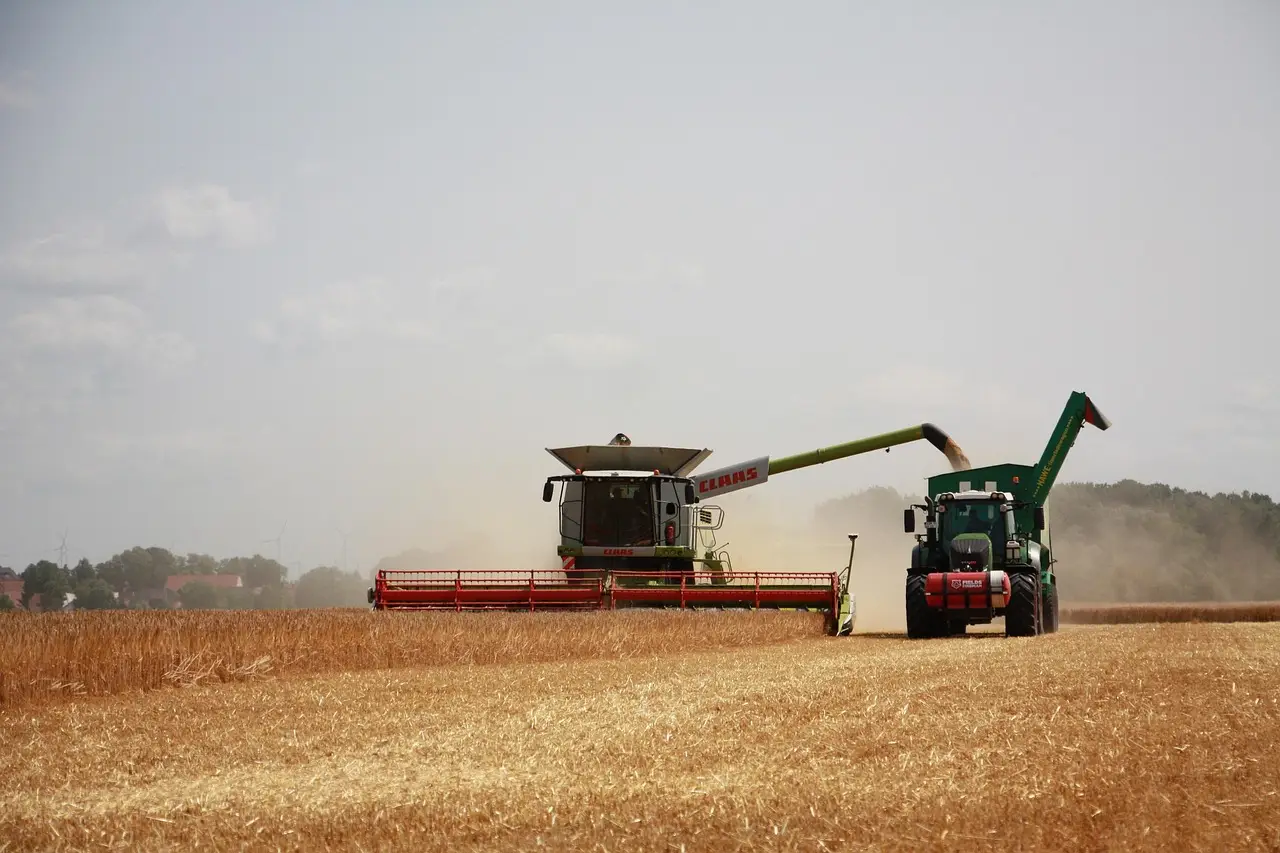
USDA will make $472.5 million in agricultural purchases under Section 32, the largest single Section 32 purchase during Secretary Rollins's tenure at the department. The purchases, announced in the week before Nov. 4, 2026, direct nearly half a billion dollars toward dairy, pulses, animal proteins, specialty crops and rice.
What does the purchase cover?
- Dairy: $165.5 million for milk and cheese.
- Pulses: $86 million for split peas, lentils and chickpeas, with growers in the northern Plains and Pacific Northwest set to benefit.
- Animal proteins: $93 million, split among $41 million for pork, $20 million each for chicken and farm-raised catfish, and $12 million for the West Coast's Pacific whiting fleet.
- Specialty crops: Nearly $107 million for almonds, hazelnuts, raisins, dried fruit, grapefruit and oranges.
- Rice: $21 million for rice growers.
U.S. customs receipts fund Section 32, a Depression-era purchasing authority. Rollins said: "Today's $472.5 million investment moves American milk, cheese, lentils, almonds, rice, catfish and more straight from our farms to those in need."
The published breakdown identifies products and dollar allocations, but does not specify a purchase schedule, commodity volumes, delivery dates, recipient locations or farm-gate prices. Without those terms, the spending cannot be translated reliably into per-farm or per-acre revenue. USDA still must set the terms that turn allocations into purchases.
Why do dairy and pulse growers need support?
The National Milk Producers Federation praised the dairy purchase, saying it should help firm demand during a difficult stretch for milk prices. This round follows $148 million in Section 32 dairy purchases that USDA announced in February 2026, bringing the two announced dairy commitments to $313.5 million.
Pulse growers also welcomed the announcement. USDA's Economic Research Service reported that dry pea and lentil exports dropped 58% from July 2025 through May 2026, while prices remained below year-earlier levels in every month of that reporting window. Growers cut lentil plantings 30% in spring 2026 as high input costs and soft demand reduced acreage.
The 58% export decline is a historical measure, not a forecast. The available figures provide no crop volumes, underlying price series or ERS methodology. The July 2025-May 2026 window, export base and missing farm-revenue data prevent a full read of producer returns. The new purchase is prospective; the export and acreage data describe conditions that preceded it.
For dairy and pulse producers, government purchases may support prices, but the announcement does not quantify the margin gain.
Will $472.5 million improve farm margins?
The policy could support farm-gate prices by moving products from farms to those in need, the mechanism Rollins described. The $86 million pulse allocation could add demand for lentils and other pulses after exports fell and growers reduced acreage. The $165.5 million dairy allocation targets milk and cheese demand, which the National Milk Producers Federation expects to firm during weak milk-price conditions.
Without a purchase schedule, volumes or price terms, the announcement cannot show how much of the $472.5 million will reach producers. It also gives no basis, price premium or margin estimate.
The pulse package does not directly address the high input costs behind the 30% planting cut. USDA still must set purchase terms that could translate allocations into stronger farm-gate demand.
The $472.5 million is a planned purchase commitment, not a report of completed sales or farmer receipts. Future purchase quantities, delivery dates and prices will show whether the program turns allocations into measurable demand for dairy, pulse, animal-protein, specialty-crop and rice producers.
via Farm Progress (Source)
More from Grace Kim
Show full bio
Correspondent covering people, launches and day-to-day practice in Agribusiness coverage for industry professionals at Agribusiness Wire.
464 articles
Also in the yard
- USDA Commits $472.5M in Section 32 Purchases Led by $165.5M for Dairy
- USDA Lifts Regenerative Ag Pilot to $1 Billion for Fiscal 2027
- Finstad: $14.6B Crop Receipt Jump Not Enough as Input Costs Bite
- China Needs $1.2 Billion Weekly in U.S. Ag Buys to Hit 2026 Pledges
- USDA sends $26.5M in value-added grants to 194 projects