Lot No. LOT-2311 · offered October 9, 2026
Commodity MarketsLot sheet
China Soybean Meal Prices Climb 4% Year-on-Year as Corn Stays Cheap
China's soybean meal prices are up 4% year-on-year while corn stays cheaper, reshaping feed-cost math for the world's largest soybean import market.
Market notes
- China's soybean meal prices rose 4% year-on-year.
- Corn in China remains cheaper over the same period.
- The price divergence affects feed formulation and crush margins in the world's largest soybean import market.
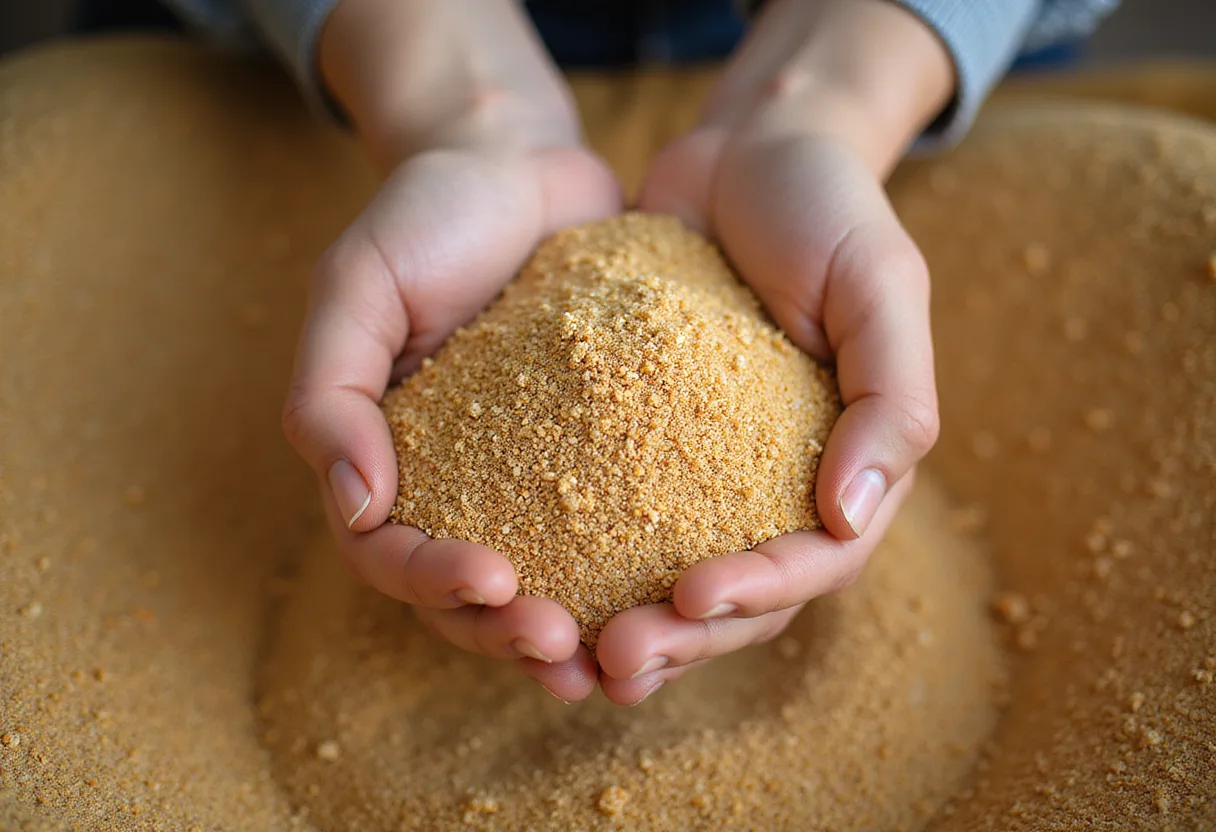
China's soybean meal prices have risen 4% year-on-year, UkrAgroConsult reports, even as corn — the other pillar of the country's feed ration — remains cheaper over the same period.
The divergence matters for feed millers, livestock integrators and crushers across the world's largest soybean import market. Soybean meal is the primary protein component in Chinese pig and poultry rations, while corn supplies most of the energy. When the two move in opposite directions, feed formulators typically adjust inclusion rates, and the spread between meal and corn values becomes a working signal for crush margins and livestock production costs.
What does the price gap mean for buyers?
A 4% year-on-year gain in meal means protein is the cost side of the ration pulling upward. Cheaper corn partially offsets that, but only for the energy share. For hog producers, feed is the single largest cost line, so the mix of a stronger meal price against weaker corn leaves total feed cost exposure dependent on how aggressively nutritionists can rebalance formulas.
For crushers, higher meal prices support crush margins if soybean procurement costs have not risen in step. That, in turn, shapes import appetite for soybeans at Chinese ports and filters back into global soybean demand — a variable exporters in Brazil, the United States and Argentina watch closely.
Why the two feeds are moving apart
The split between a rising meal price and cheaper corn points to distinct supply-and-demand balances for each commodity. Corn has been comparatively available in China, keeping downward pressure on domestic values. Soybean meal, by contrast, has found firmer ground, with the year-on-year gain indicating tighter conditions or stronger demand on the protein side of the ration.
Chinese feed demand is the anchor for both markets. Any sustained gap between meal and corn values tends to trigger substitution at the feed-mill level and can shift procurement patterns for oilseed imports over subsequent quarters.
What comes next
UkrAgroConsult's data suggests the year-on-year comparison remains the key metric to track: whether the 4% meal premium widens or narrows will depend on the pace of Chinese soybean imports, crush run rates and the relative availability of corn in domestic channels.
via Google News: Grain prices (Source)
More from Rebecca Stone
Show full bio
Market editor covering people, launches and day-to-day practice in Agribusiness coverage for industry professionals at Agribusiness Wire.
431 articles
Also in the yard
- China Soybean Oil Prices Ease on Heavy Stocks, Softer Demand
- China Ramps Up Purchases of US Soybeans as Ag Trade Rebuilds
- China Posts 10.8% Rise in Agricultural Trade for First Half
- China Soybean Purchases and Heat Risk Shape Grain Price Outlook
- Soybeans Drop on Profit-Taking; Corn Follows as Harvest Resumes