Lot No. LOT-3250 · offered November 9, 2026
Lot sheet
California Assemblyman Tangipa Targets Water Storage, $350 Billion Budget
Assemblyman David Tangipa says 80% of California water goes to environmental uses and backs storage over high-speed rail, urging farmers to cut debt before 2026.
Market notes
- Tangipa cites 80%+ of California water for environmental uses versus ~13% for agriculture
- California's budget is roughly $350 billion; he cites ~$15 billion for undocumented immigrant benefits versus <$500 million for veterans
- He recommends no on Props 1-38 (neutral on 37), yes on 39, 41, 42, 43 and 45, no on 40 and 44
- He compares 2023-24 wet years to 1983-84 and flags possible similar conditions in 2026-27
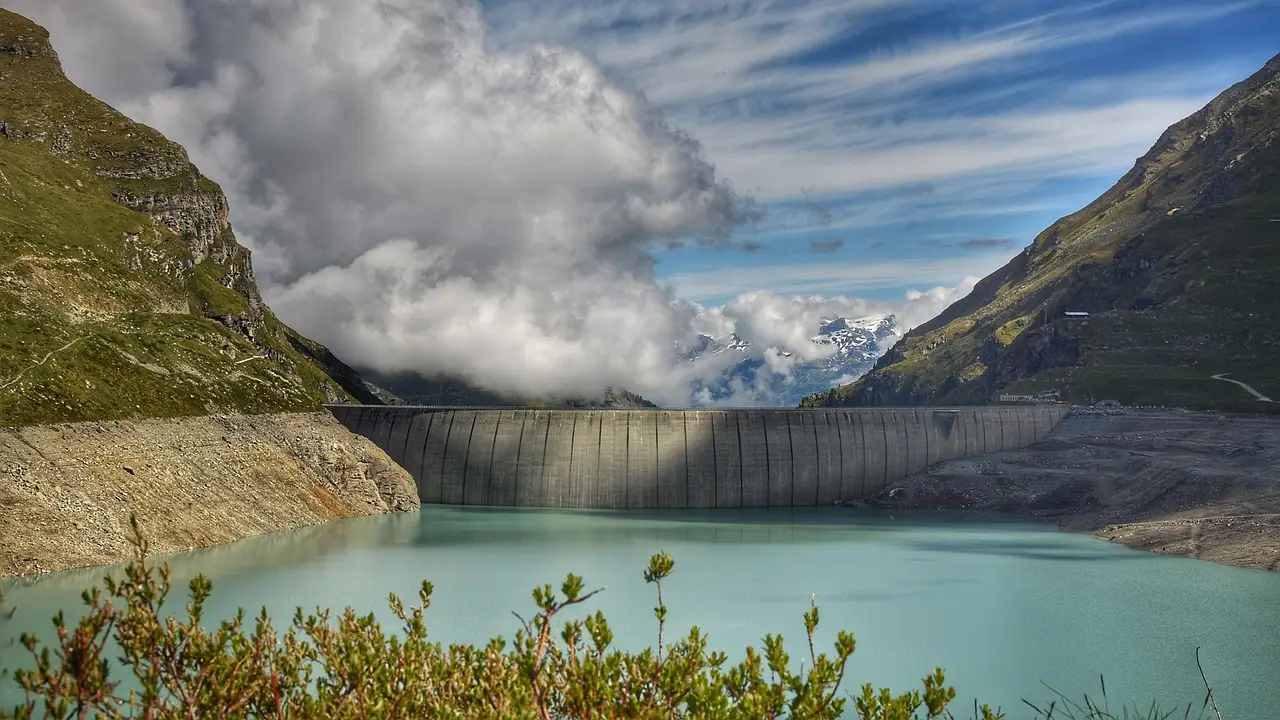
California Assemblyman David Tangipa says more than 80% of the state's water flows to environmental uses, agriculture takes roughly 13%, and municipalities about 4% — figures he cites to argue that Sacramento's allocation priorities, not scarcity, drive the Central Valley's water problem.
Speaking with Nick Papagni on "The Ag Meter," the 8th District Republican laid out a policy agenda spanning water infrastructure, state spending, taxes and the November ballot. Tangipa, a former Fresno State Bulldog football player, real estate developer and small business owner, said farmers sheltered him roughly a decade ago when he experienced homelessness — the reason he entered politics. He later sponsored his mother's immigration and moved his family out of low-income housing.
What does Tangipa want on water?
He wants California to improve the State Water Project and Central Valley Project, expand storage, and stop letting surplus water run out to sea. He criticized dam removal projects and questioned how the state spent money from the 2014 voter-approved water bond. He warned existing dams need attention before a potential strong El Niño.
Drawing on historical analogies, he compared the wet years of 1983 and 1984 to 2023 and 2024, suggesting 2026 and 2027 could bring similar heavy rainfall — a personal observation, not a forecast. He urged capturing surplus flows in wet years and using flood irrigation to recharge groundwater aquifers. His bottom line: emergency infrastructure only works when leaders are prepared to use it.
Papagni noted the gubernatorial debate between Steve Hilton and Xavier Becerra gave agriculture and water little airtime despite the industry's economic weight. Tangipa called for stopping the high-speed rail project, calling its current plan financially and structurally unworkable, citing easement disputes and a federal canal obstacle. He said the International Space Station was built faster. He would redirect that money toward dams, hydroelectric facilities, roads and broadband.
Are farm groups funding their opponents?
Tangipa argued some farmers pay dues and PAC contributions to organizations that then back candidates behind policies those same farmers oppose — naming Governor Gavin Newsom, Democratic legislative candidates and Xavier Becerra as beneficiaries. His recommendation: audit the dues.
He also challenged California's roughly $350 billion budget, saying the state leans heavily on capital gains from a small number of wealthy taxpayers and faces real vulnerability if markets fall. He called it a spending problem, not a revenue problem, and invoked the Laffer Curve to argue excessive taxation suppresses economic activity and ultimately revenue.
Where does the money go?
Tangipa cited approximately $15 billion in state spending on benefits for undocumented immigrants — including a reported Fresno proposal to allocate more than $1 million for legal expenses — against less than $500 million for California veterans. He asked lawmakers to explain why veterans receive comparatively limited state support while local governments pursue added taxation.
What could a new governor change?
A change in gubernatorial leadership, he argued, would shape regulatory agencies including the California Air Resources Board, CalGEM and agricultural boards through appointments affecting energy, water allocation and farm regulation. He criticized proposed increases in unimpaired river flows as further restricting water availability. He questioned what a Becerra governorship would look like, suggesting advisers and consultants would hold considerable influence. He also conceded that Republicans must sharpen their message, since the Democratic supermajority has little incentive to change without electoral competition.
How should farmers vote — and prepare?
Tangipa's ballot recommendations: no on Propositions 1 through 38 (neutral on 37), yes on 39, no on 40, yes on 41, 42 and 43, no on 44, yes on 45. He backs Proposition 45 because he says it would streamline environmental and CEQA reviews. He reminded voters that media calls do not certify elections and urged them to verify their ballots were counted.
His message to farmers heading into 2026 and 2027: prepare for uncertainty, keep debt low, pay down obligations when cash is available, and check whether agricultural organizations genuinely represent the industry. Tangipa says California must fix underlying problems rather than keep making incremental adjustments.
via agnetwest.com (Source)
More from Grace Kim
Show full bio
Correspondent covering people, launches and day-to-day practice in Agribusiness coverage for industry professionals at Agribusiness Wire.
484 articles
Also in the yard
- California Lawmaker Wants Rail Money Redirected to Water Infrastructure
- California Stockpiles 4.4M Sandbags as El Niño Builds; Growers Eye Recharge
- El Niño odds hit 90% as California preps for historic winter
- Klamath Basin Water Outlook Shifts from Crisis to Collaborative Fix
- Colorado River Cuts Are Permanent, Western Ag Must Produce More With Less