Lot No. LOT-3297 · offered September 29, 2026
Agricultural PolicyLot sheet
Colorado River Cuts Are Permanent, Western Ag Must Produce More With Less
The basin's worst drought in 1,500 years makes cuts permanent. EQIP runs tenfold oversubscribed as growers await delivery-system modernization.
Market notes
- The Colorado River Basin is in its worst and longest recorded drought — a severity last estimated 1,500 years ago.
- USDA's Environmental Quality Incentives Program is oversubscribed tenfold annually, with California and Arizona farmers waiting years for assistance.
- Much of the West's irrigation delivery infrastructure dates to the late 19th and early 20th centuries and was designed for flood irrigation, not precision management.
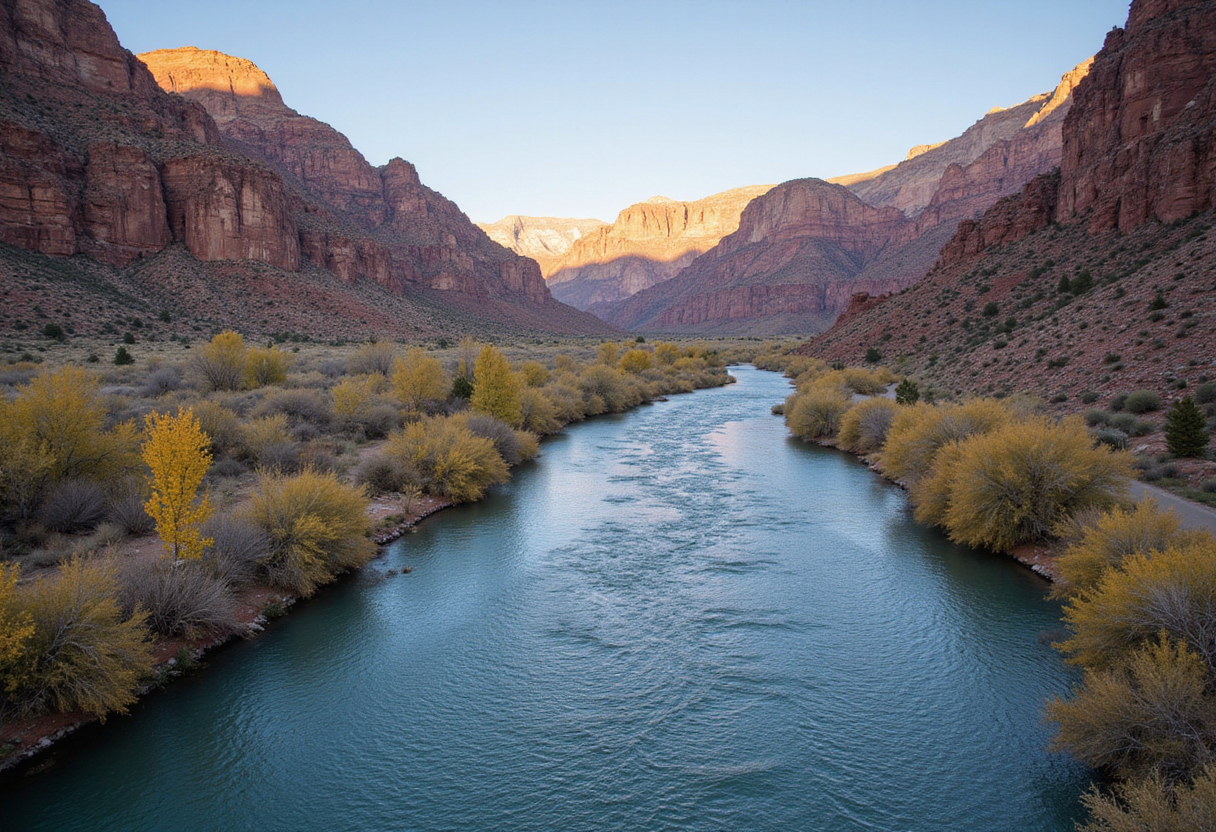
The Colorado River Basin is facing the worst and longest sustained drought in recorded history — a severity the Southwest has not seen in an estimated 1,500 years. Michael Bloomfield, government affairs leader for Netafim North America, writes that recent federal actions on Colorado River operations confirm what growers, irrigation districts and water managers already know: reduced water supplies are no longer temporary but a permanent feature of basin agriculture.
The arithmetic is stark. Agriculture must use less water while maintaining today's output of food and fiber. Bloomfield argues the goal is achievable, but only if the entire delivery system — not just on-farm practice — is modernized.
Temporary tools bought time, not a future
Voluntary, compensated fallowing and conservation agreements have reduced consumption and returned water to critical reservoirs during periods of severe stress. Bloomfield credits these programs as the most practical route to immediate reductions when reservoir conditions demanded urgent action, and he expects them to keep filling gaps while large-scale conservation programs, infrastructure projects and technology adoption come online.
His warning is direct: temporary emergency tools should not become permanent water policy.
No silver bullet, but a workable combination
Bloomfield lays out the approaches he says must operate together:
- Strategic, voluntary fallowing tied to future efficiency gains
- Conservation programs that generate measurable water savings
- Groundwater recharge and water banking during times of excess
- Modernized irrigation delivery infrastructure
- Precision irrigation technologies
- Digital water management and monitoring systems
- Crop changes accompanied by market development for the new crops
- Industry support for agricultural modernization
- Improved coordination among federal, state and local programs
Each tool delivers incremental benefits on its own, he writes; combined, they can sustain agricultural production while cutting water consumption.
The bottleneck is beyond the farm gate
Much of the irrigation infrastructure serving Western agriculture was built in the late 19th and early 20th centuries. Those systems were engineering achievements built to move large volumes of water quickly for flood irrigation — not to support the precision water management technologies growers increasingly need.
That mismatch limits returns on farm-level investment. Growers can buy sophisticated irrigation equipment, but delivery systems often cap their ability to capture the full water savings. Bloomfield's list of priorities off the farm: canal modernization, automation, improved measurement, pressurized delivery, remote monitoring and operational flexibility.
Growers across the West are already adopting precision irrigation, soil moisture sensors, automated scheduling tools, remote sensing and data analytics to decide when, where and how much water to apply. Demand for public support far outstrips supply. In California and Arizona, funds do not go around, many farmers wait years for assistance, and programs like USDA's Environmental Quality Incentives Program are oversubscribed tenfold each year.
Redefining success on the river
Bloomfield calls for the next phase of Colorado River policy to integrate federal, state and local programs so they reinforce one another: conservation payments supporting long-term efficiency gains, infrastructure investments enabling precision irrigation, recharge projects complementing conservation goals, and water-saving technologies paired with delivery systems capable of maximizing their effectiveness.
For years, he notes, success has been measured by acre-feet removed from consumption — a metric that still matters. In the decades ahead, success should also be judged by whether agricultural communities remain viable, food production is sustained, rural and urban economies stay healthy, and the Colorado River system grows more resilient.
The basin's reductions are permanent, and Bloomfield's bottom line is that no single program, technology or policy will suffice. The durable response links immediate reductions with long-term investment in infrastructure, conservation, efficiency, groundwater recharge and precision irrigation — and the future of Western agriculture will depend on how effectively those connections are made.
via bit.ly (Original)
More from Marcus Bennett
Show full bio
Senior reporter covering marketplaces and e-commerce at Agribusiness Wire.
127 articles
Also in the yard
- Klamath Basin Water Outlook Shifts from Crisis to Collaborative Fix
- Irrigation Makers Push Precision and Remote Control at Husker Harvest Days
- Google Applies AI Precision Agriculture to Cut Water Stress
- Smart Farming Tools Cut Water Use and Lift Crop Quality, Report Says
- Farm Bill Deadline Passes Without New Bill as Colorado Grower Flags Rising Costs