Lot No. LOT-1325 · offered November 5, 2026
Trade & ExportsLot sheet
Zero Tariffs and Cherry Access: South Africa Pivots Farm Exports to China
South Africa loses AGOA access in 2027 but gains zero-tariff entry to China, where cherry imports hit $3.3 billion. NAMC maps the pivot and its bottlenecks.
Market notes
- US terminates South Africa's AGOA eligibility from Jan 1, 2027
- China extended zero-tariff treatment to all 53 African partners from May 1
- China imported 586,900 tonnes of cherries worth $3.3 billion in 2025
- SA cherry production projected to rise from 3,300 to 5,100 tonnes between 2024/25 and 2025/26
- Cherry phytosanitary protocol signed in Beijing on Sept 8
Washington will cut South Africa from the African Growth and Opportunity Act on Jan 1, 2027 — and Pretoria's answer is a fast-track push into China, where a 10% apple tariff has already dropped to zero.
Officials at the National Agricultural Marketing Council (NAMC) say newly secured market access and China's preferential zero-tariff regime give South African producers a route to diversify exports, attract investment and lift farm margins. Since May 1, China has extended zero-tariff treatment to imports from all 53 African nations it recognizes diplomatically.
Senior NAMC economist Thabile Nkunjana put the stakes plainly: "China's market size, purchasing power, and increasing importance in international agricultural trade make it strategically significant to South Africa."
What does the cherry deal change for growers?
On Sept 8, Agriculture Minister Willie Aucamp and Sun Meijun, head of China's General Administration of Customs, signed a phytosanitary protocol in Beijing opening the Chinese market to South African fresh cherries for the first time.
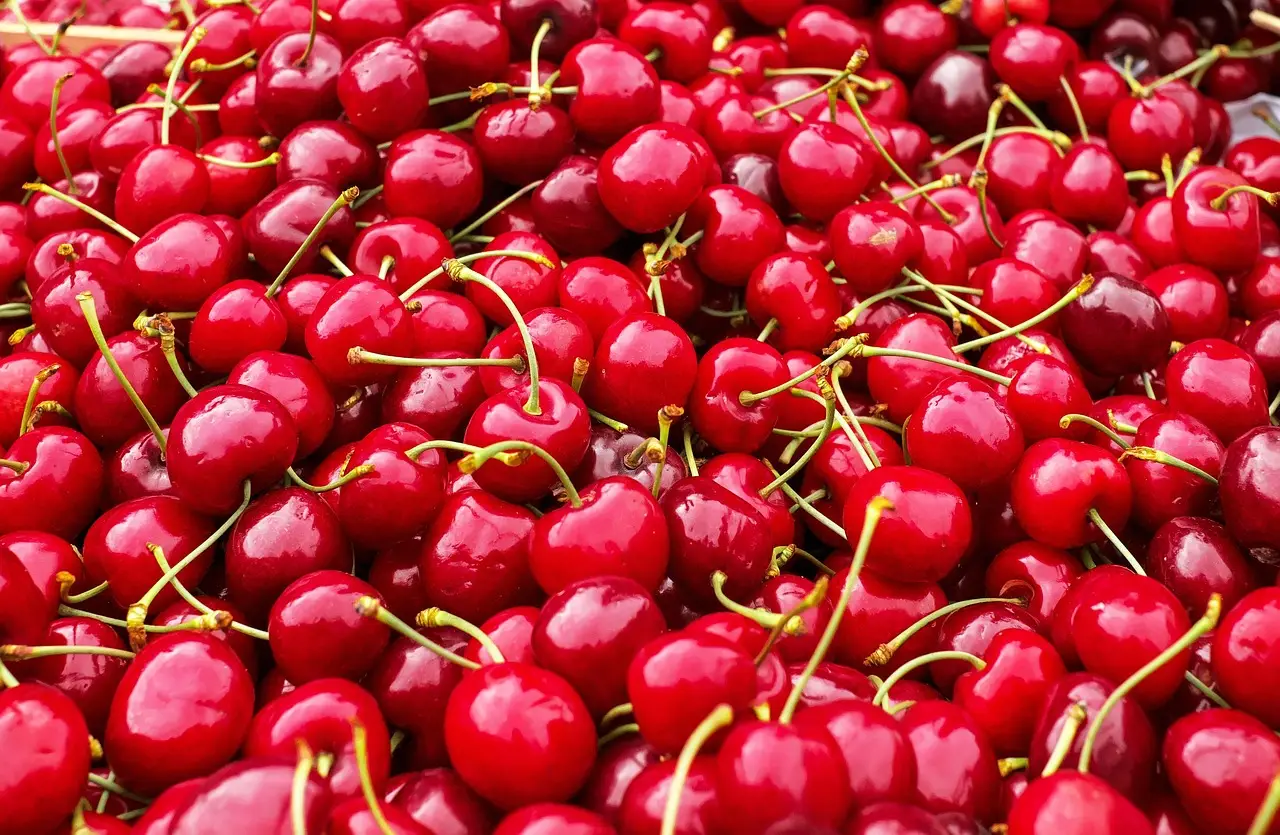
The prize is real. China imported roughly 586,900 tonnes of cherries worth $3.3 billion in 2025 — the world's largest cherry-importing market, per South African government figures.
Domestic supply is scaling to meet it. NAMC's Solly Molepo, manager of Trade Research and project manager for the Agriculture and Agro-processing Masterplan, projects cherry output rising from about 3,300 tonnes in 2024/25 to some 5,100 tonnes in 2025/26 as orchards expand and younger trees enter production.
Chile, however, already dominates Chinese cherry supply. "South African exporters would need to carefully position their shipments around competing suppliers' marketing seasons while maintaining consistent quality and reliable supply to secure a foothold in the Chinese market," said Mahlogedi Thindisa, senior manager at NAMC's Markets and Economic Research Center.
Which products are next in line?
Beyond cherries, NAMC sees potential in:
- wine, macadamia nuts, citrus, stone fruit, apples, avocados and rooibos
- blueberries, pending phytosanitary negotiations
- livestock products, including beef — helped by animal-health cooperation and foot-and-mouth disease compartmentalisation, plus arrangements covering dairy and greasy wool
Nkunjana said market-access talks on several products are progressing, while existing protocols already support citrus, table grape and apple exports. The tariff math matters: cutting apple duties from 10% to zero lets Chinese importers cut costs, letting South African exporters either widen margins or price more competitively.
South Africa also holds a counter-seasonal edge — its harvests often land when Northern Hemisphere supply thins out.
Why the AGOA loss accelerates the pivot
The US on Monday announced its intent to terminate South Africa's AGOA eligibility as of Jan 1, 2027, citing trade and investment barriers, corruption, and national security and foreign policy concerns. AGOA grants eligible sub-Saharan countries duty-free US access for thousands of products.
Pretoria expressed regret, pledged support for affected industries, and said it will keep engaging Washington. Trade, Industry and Competition Minister Parks Tau has framed the export strategy around the African Continental Free Trade Area, India, the EU, the UK, ASEAN, the Southern Common Market and China — with new access being sought for citrus, avocados, grapes and apples.
What stands in the way?
Plenty. Exporters of wine and fresh cherries have hit delays obtaining export and import certificates, disrupting shipments despite market-access progress, Nkunjana said. China's customs authority must still approve production units, packhouses, cold storage and fumigation facilities — approvals Nkunjana wants accelerated.
Chinese consumers are a diverse market, Thindisa noted, requiring investment in brand differentiation, Mandarin-language packaging and digital channels such as WeChat e-commerce, plus product sizes tuned to regional preferences. Strict food safety and phytosanitary rules demand consistent standards and inspections. For perishables like cherries, cold-chain logistics decide whether fruit arrives sellable.
Molepo called for investment in logistics, market research, branding and long-term partnerships with Chinese importers, arguing stronger value chains would raise local value capture, stimulate production and create jobs. NAMC also sees agricultural expansion — alongside traditional mineral and metal exports — rebalancing the bilateral trade relationship, with platforms like the BRICS Business Forum helping growers align varieties with Chinese regional tastes.
With AGOA's clock running down to January 2027, the pace of Chinese approvals, packhouse certifications and cold-chain buildout will decide whether Pretoria's pivot offsets the US loss.
via Google News: Agricultural trade (Source)
More from Nathan Brooks
Show full bio
Staff writer covering regulation, policy and their impact on Agribusiness coverage for industry professionals at Agribusiness Wire.
515 articles
Also in the yard
- Farm Journal Foundation Urges U.S. to Pivot Ag Trade to South Asia, Africa
- AgriSA, Agbiz Push for Deeper BRICS Agricultural Trade Links
- China's New US Farm Purchases Raise Global Trade Questions
- Zero Tariff Access to China Set to Lift Kenya's Farm Exports
- Trump-Xi Meeting Could Reshape Global Agricultural Trade Flows