Lot No. LOT-7148 · offered November 5, 2026
Seeds, Crop Protection & FertilizerLot sheet
Anhydrous Ammonia Tops $1,000 as Fertilizer Prices Climb Again
Anhydrous ammonia hit $1,007 per ton in late October as seven of eight U.S. fertilizers rose, with every product above year-ago levels ahead of 2027 budgeting.
Market notes
- Anhydrous ammonia rose 3% to $1,007/ton in late October 2026, its highest since early July.
- UAN28 led monthly gains at 4%, reaching $446/ton from $430; urea was the only decliner at $669/ton.
- All eight major fertilizers were priced above October 2025 levels; ammonia led annual gains at 19%.
- Purdue found Brazilian farms averaged $85/acre on fertilizer (2020–2024) versus $57 for U.S. operations.
- Brazil imports 72% of phosphate and 96% of potash, versus 16% and 95% for the United States.
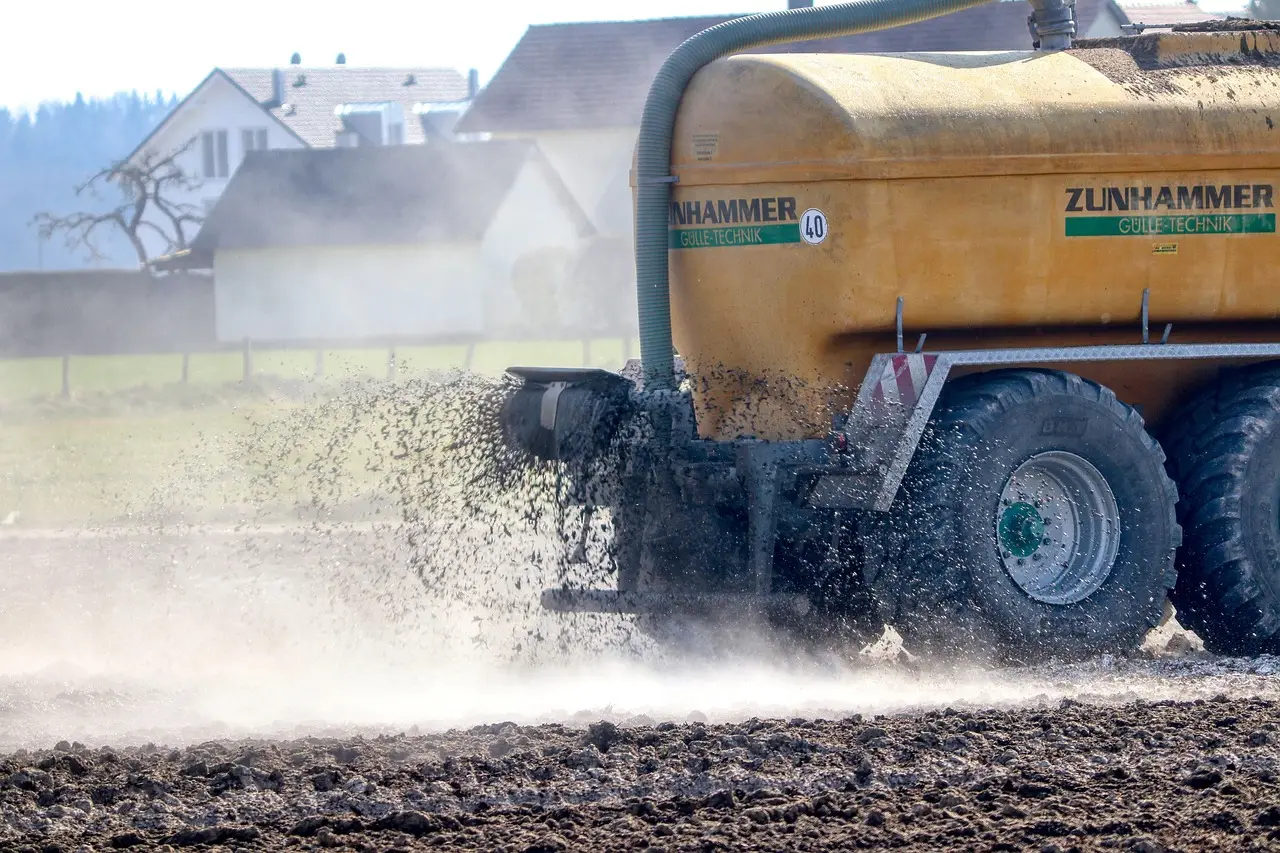
Anhydrous ammonia crossed $1,007 per ton in the final week of October 2026, its highest level since early July, as seven of eight major U.S. fertilizer products posted monthly gains in retail data published November 4. UAN28 led the move, jumping 4% from $430 to $446 per ton.
The figures come from the national retail fertilizer price survey covering October 26–30, 2026, compared with September 28–October 2. It was the fifth consecutive week in which seven of the eight monitored fertilizers rose. Urea was the lone decliner, slipping roughly 2% from $683 to $669 per ton.
What did each product do?
- UAN28: $430 → $446 per ton, up 4% — the largest monthly gain.
- Anhydrous ammonia: $979 → $1,007, up 3%, the highest since it hit $1,032 in early July.
- UAN32: $483 → $494, up 2%.
- Potash: $499 → $510, up 2%.
- DAP: $934 → $941.
- MAP: $974 → $987.
- 10-34-0: $702 → $708.
- Urea: $683 → $669, down about 2%.
The spread matters for corn growers. Nitrogen accounts for a substantial share of variable production costs, and higher ammonia prices feed directly into fall application decisions, purchasing timing and nutrient management plans. Producers must weigh current prices against expected crop returns, soil conditions and application requirements before locking in nitrogen volumes for the next growing season.
Which nitrogen source is cheapest?
Price per ton misleads. On a cost-per-pound-of-nitrogen basis, anhydrous ammonia averaged $0.61 in the late-October data — well below urea at $0.73, UAN32 at $0.77 and UAN28 at $0.80. That gap favors ammonia on paper. But the final economic assessment has to account for application equipment, transportation, storage, field conditions and potential nitrogen losses, all of which can shift the effective cost of competing fertilizer programs.
For producers managing large acreages, even small adjustments compound. A $16-per-ton move on UAN28 scales quickly when stacked against equipment, fuel and other operating expenses already in the budget.
How large is the annual increase?
Every one of the eight products costs more than it did in October 2025. Anhydrous ammonia shows the steepest annual climb at 19%, followed by urea at 12% and UAN28 at 8%. MAP, UAN32 and 10-34-0 each rose 6%, potash gained 5% and DAP added 2%. October's modest monthly moves — and urea's decline — have not reversed the year-over-year rise in nutrient costs.
A study released October 30 by Purdue University's Center for Commercial Agriculture puts U.S. spending in international context. Between 2020 and 2024, Brazilian farms averaged roughly $85 per acre on fertilizer versus $57 for U.S. operations. Purdue attributed the gap to fertilizer application requirements and prices, pointing to the acidic, nutrient-poor soils of Brazil's Cerrado, which demand heavy fertilizer and lime inputs.
The import picture sharpens the contrast. Brazil imports about 72% of its phosphate and 96% of its potash, compared with 16% and 95%, respectively, for the United States. U.S. fertilizer spending peaked at $78 per acre in 2022; Brazilian expenditures peaked at $150 per acre in 2023. By 2024, costs had eased to $61 per acre in the United States and $83 in Brazil.
What does this change for 2027 planning?
With ammonia running 19% above year-earlier levels and every major category showing annual gains, nutrient budgeting moves to the front of the queue for the 2027 season. Soil testing, precision agriculture, variable-rate applications and cooperative purchasing arrangements all support tighter input planning, and growers will need to align fertilizer outlays with expected yields, commodity prices and available working capital before committing tonnage.
via Google News: Fertilizer markets (Source)
More from Nathan Brooks
Show full bio
Staff writer covering regulation, policy and their impact on Agribusiness coverage for industry professionals at Agribusiness Wire.
515 articles
Also in the yard
- UAN28 Hits $446/Ton as Seven of Eight Fertilizers Climb in Late October
- U.S. Nitrogen Prices Surge 15% in a Week, Squeezing 2027 Corn Budgets
- Anhydrous Ammonia Prices Jump 25%, Squeezing U.S. Farm Margins
- Anhydrous Ammonia Crosses $1,000 Per Ton as Fertilizer Prices Climb
- UAN32 Leads July Fertilizer Slide as August Demand Builds