Lot No. LOT-2466 · offered September 27, 2026
Precision Agriculture & AgTechLot sheet
AI Offers Promise for Agriculture, but Smallholders Risk Being Left Behind
AI tools are reaching agriculture fast, but smallholders lack connectivity, devices and capital to use them, risking a widening gap in global farming, analysts warn.
Market notes
- AI tools for crop monitoring, pest detection and input management are entering commercial agriculture
- Smallholder farmers — a major share of global food production — often lack the connectivity, devices and capital AI requires
- Deployment decisions by governments, agtech firms and agencies will determine whether AI narrows or widens the farm-level divide
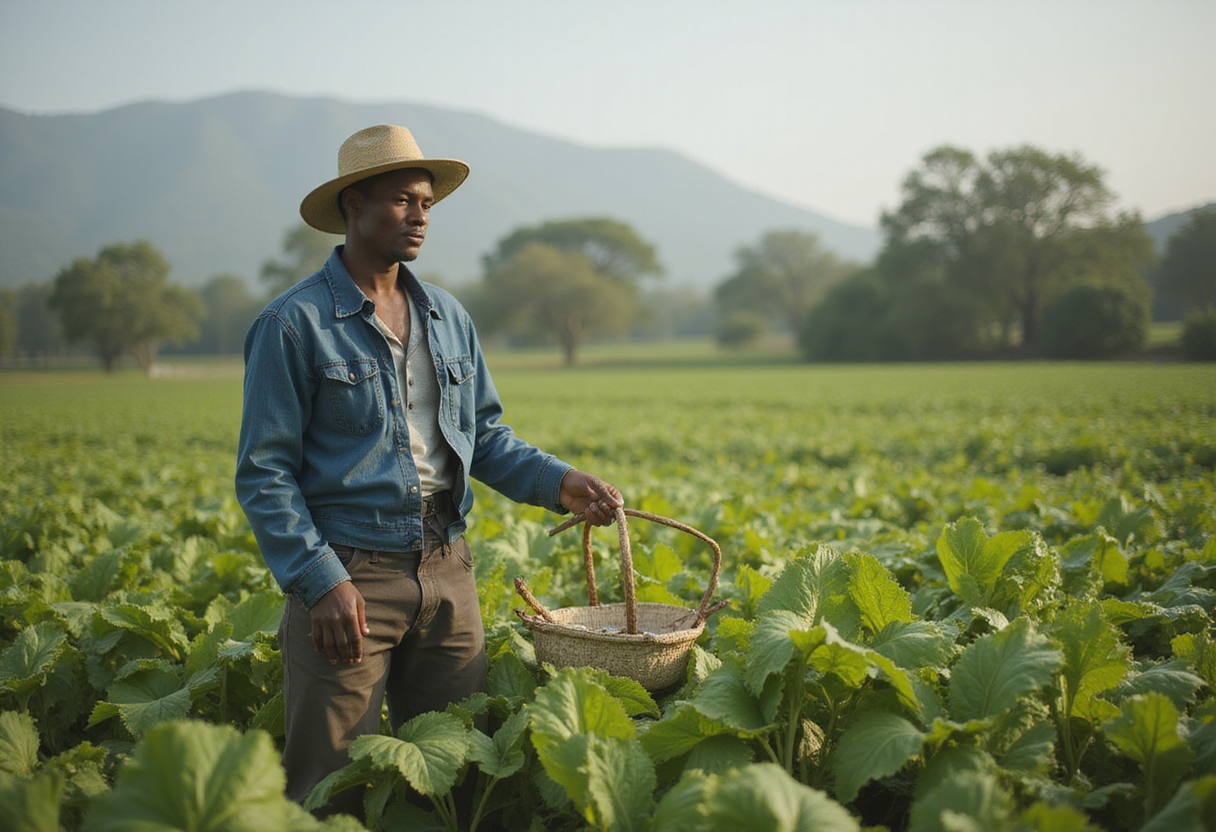
Artificial intelligence is moving from research plots into commercial agriculture, but the farmers who dominate global production by headcount — smallholders — risk missing the benefits entirely.
That is the central warning from a new analysis published by The Conversation, which examines how AI-driven tools are spreading through farming systems and who can actually access them.
The technology's promise for agriculture is real. Machine learning systems already support crop monitoring, pest and disease detection, yield prediction and input management. For large operations with capital, connectivity and technical staff, these tools can tighten margins by cutting waste — less fertilizer spread where it is not needed, fewer pesticide passes, better timing on irrigation and harvest.
But the distribution problem is structural. AI tools depend on prerequisites that smallholder farmers frequently lack: reliable internet coverage in rural areas, affordable devices, digital literacy, and the cash flow to subscribe to precision-agriculture platforms. Where those prerequisites are missing, the technology simply does not arrive.
The gap matters because smallholders are not a marginal group. They produce a large share of the world's food, particularly across Africa, Asia and Latin America. If AI uptake concentrates on large, capitalized farms in wealthy markets, the result could be a two-tier system: industrial producers gaining efficiency and data advantages season after season, while smallholder operations face growing competitive pressure in the same commodity markets.
The analysis frames this as a risk rather than a forecast. AI in agriculture is still at an early stage of diffusion, and deployment choices made now — by governments writing digital-agriculture policy, by input and agtech companies pricing their platforms, and by development agencies funding rural connectivity — will determine whether the technology narrows or widens the divide.
What happens next depends largely on policy and investment decisions on access: who builds the rural data infrastructure, who trains farmers to use the tools, and who sets the subscription prices. The Conversation's analysis suggests the window for getting those decisions right is open now, while AI in agriculture is still young enough to shape.
via Google News: Precision agriculture (Source)
More from Marcus Bennett
Show full bio
Senior reporter covering marketplaces and e-commerce at Agribusiness Wire.
127 articles
Also in the yard
- House Bill Targets Farm AI Gap as 75% of Farmers Skip the Technology
- New U.S. Bill Aims to Push AI Onto Farms Most Growers Still Ignore
- U.S. and Argentine Farmers Split on AI's Value to Agriculture
- Precision Agriculture: Drones, Satellites and AI Target Input Costs
- US-China AI Talks Put Precision Agriculture Supply Chains in Play