Lot No. LOT-8655 · offered September 29, 2026
Seeds, Crop Protection & FertilizerLot sheet
War Hangs Over American Farmers as Fertilizer Prices Rise
Rising fertilizer prices tied to overseas war are pressing into American farm budgets, shaping crop-mix and planting decisions as growers face conflict-driven input costs.
Market notes
- Fertilizer prices are rising as war creates an overhang on American farm input costs
- Fertilizer ranks among the largest variable input expenses for row-crop growers, directly affecting planting decisions and margins
- Growers lock in nutrient purchases months ahead, so conflict-driven price moves translate into commitments they cannot easily unwind
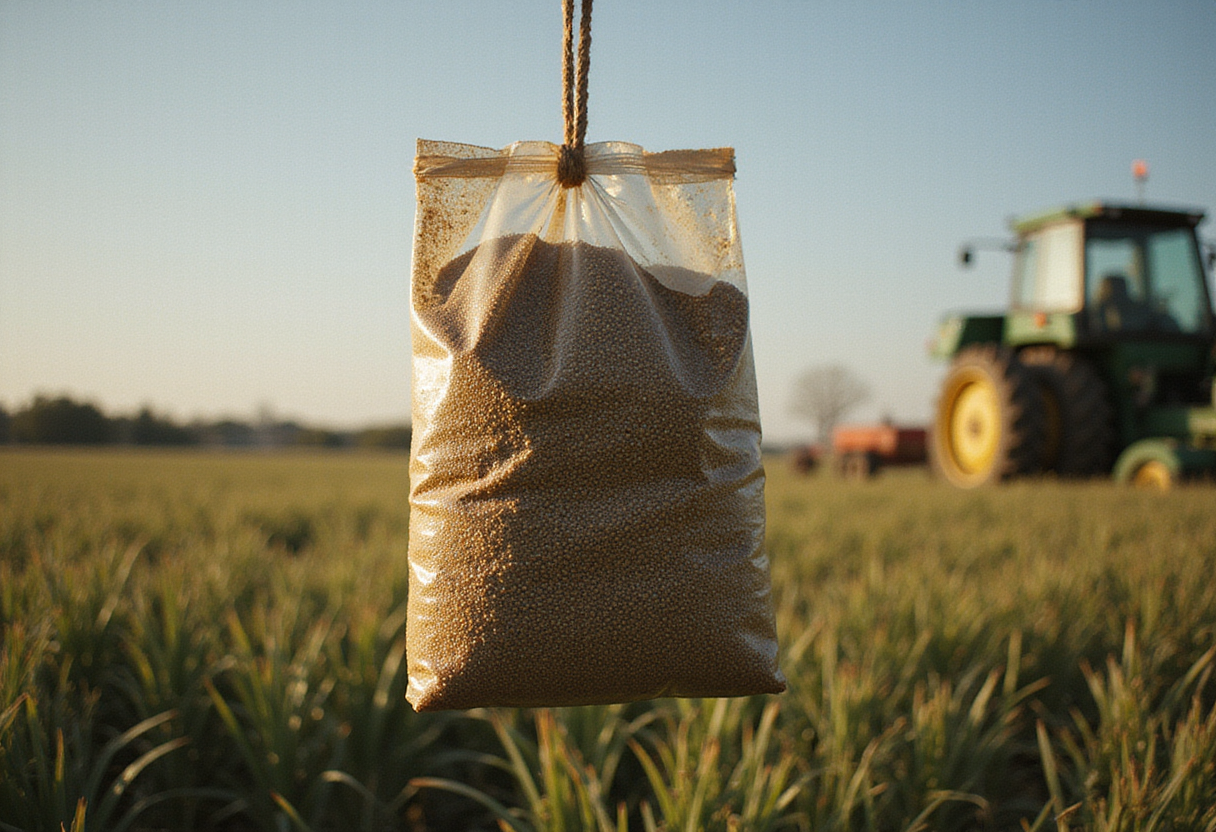
Fertilizer prices are rising again, and the cause sits half a world away from the fields where American growers will spread it. As The New York Times reports, war now hangs over U.S. farm country through the nutrient bill alone.
Fertilizer is the largest variable input for most row-crop operations after seed and land. When its price climbs, the effect reaches directly into pre-plant budgets, crop mix decisions and, ultimately, farm margins. A nitrogen, phosphate or potash quote is not an abstraction for corn and wheat growers; it is a line item that determines whether a projected acreage plan survives contact with the lender.
The connection between conflict and fertilizer markets is structural. Key nutrient inputs and their feedstocks — natural gas above all for nitrogen — trade globally, and prices move when supply chains or producing regions are disrupted by war. American farmers, who buy in that global market, absorb the shock even when the fighting occurs far from their own acreage.
That dynamic puts the issue squarely in farm-policy territory. Input costs of this kind shape the economics of every planting cycle that unfolds while the war continues. Growers weighing corn against soybeans, or wheat against alternative crops, must price in nutrient requirements that may swing with each escalation or sanction package tied to the conflict.
The New York Times framing is worth noting for what it signals: this is not a story about a single price spike but about a persistent overhang. Farmers plan months ahead. Fertilizer is typically purchased and applied on a schedule locked in well before harvest results are known, which means today's conflict-driven quotations translate into commitments that growers cannot easily unwind if conditions change.
For cooperatives and retailers, the same pressures run through their booking programs and customer credit. For lenders and farm-management analysts, rising nutrient costs compress the margin cushion that has been a point of focus across the Corn Belt and wheat country in recent cycles.
There is also a measurement caution that any senior editor would apply here. Headline-level claims about fertilizer inflation need to be checked against specific benchmarks — which nutrient, which region, which reporting window — because nitrogen, phosphate and potash do not move in lockstep, and a national average can mask wide regional basis differences in delivered prices at the farm gate.
What is unambiguous in the reporting is the direction of the pressure and its source. War is feeding into the input side of the American farm economy, and growers are carrying that cost into their next planting decisions.
How long the overhang lasts, and how deeply it cuts into planted acreage and farm income, will depend on the trajectory of the conflict itself — a variable no agronomist or market analyst can forecast with confidence.
via Google News: Fertilizer markets (Source)
More from Marcus Bennett
Show full bio
Senior reporter covering marketplaces and e-commerce at Agribusiness Wire.
127 articles
Also in the yard
- Conflict Drives Fertilizer Prices Higher, Squeezing US Farm Margins
- Fertilizer Prices Climb on Overseas Conflict, Squeezing Alabama Growers
- Overseas Conflict Pushes Fertilizer Prices Up, Squeezing Alabama Growers
- Global Fertilizer Prices Climb as Supply Stays Tight
- US growers push back as fertilizer costs squeeze margins