Lot No. LOT-7354 · offered October 3, 2026
Commodity MarketsLot sheet
War, Drought and El Niño Drive Global Food Prices to 20-Month High
Global food prices have hit their highest level since November 2022, driven by war, drought, and El Niño, tightening supplies and lifting costs across farm and feed chains worldwide.
Market notes
- Global food prices reached their highest level since November 2022, a roughly 20-month high.
- War, drought, and El Niño are cited as the three combined drivers behind the price surge.
- The reading reverses the 2023 supply-rebuild and destocking phase, returning the market to scarcity pricing.
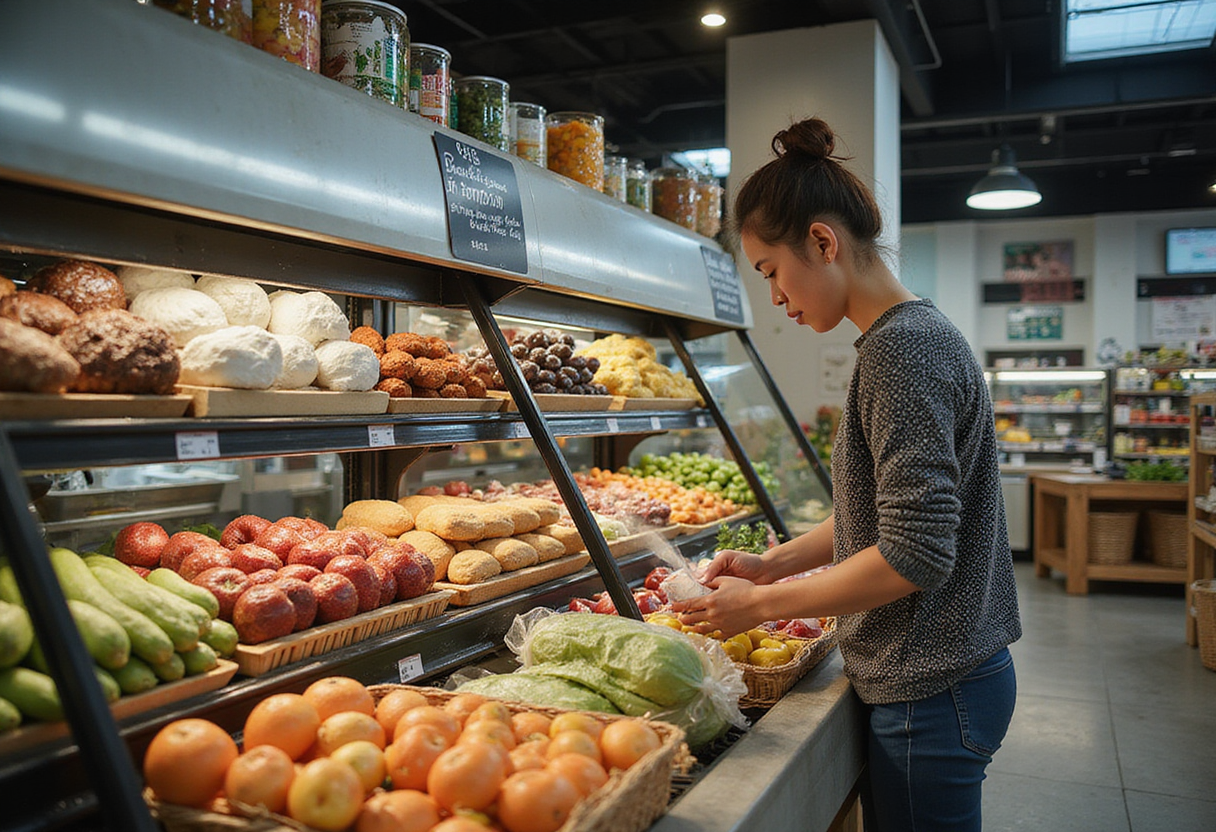
Global food prices have climbed to their highest level since November 2022, a 20-month high that marks the peak of the post-inflation cooldown and signals renewed cost pressure along the entire farm-to-consumer chain.
Three forces sit behind the move, according to the report: war, drought, and El Niño. The combination is unusual in its timing. Armed conflict has disrupted export channels and insurance costs for grain and oilseed shipments. Drought has cut into harvest expectations in key surplus regions. The El Niño pattern, which peaked in the 2023-24 season, altered rainfall across Southeast Asia, Australia, and southern hemisphere growing belts, tightening supplies of the very commodities that had earlier held the index down.
For growers, the repricing cuts both ways. Higher world benchmarks lift farm-gate offers and strengthen basis in exporting regions, improving nominal margins for producers with saleable surpluses. For import-dependent countries and livestock operations, the same move raises feed and input costs faster than product prices in many cases. Fertilizer and energy buyers face the compounding effect: conflict-driven freight and fuel premiums arrive on top of dearer crop commodities.
The November 2022 reference point matters. That month sat near the tail of the price spike that followed Russia's invasion of Ukraine in February 2022, when food commodity indices ran at record highs before easing through 2023. A return to that level suggests the two-year destocking and supply-rebuild phase has largely run its course. Stocks built during the cheaper 2023 window have been drawn down, and the market is once again pricing scarcity risk rather than surplus.
Analysts will scrutinize the details when the underlying index components are published. Food price indices aggregate cereals, vegetable oils, dairy, meat, and sugar, and the drivers differ by complex. Sugar and rice have been the most El Niño-sensitive categories, with Asian and South American production shortfalls pushing those sub-indices higher. Vegetable oils have responded to both Southeast Asian drought stress and conflict-affected shipping lanes. Dairy and meat follow feed costs with a lag, meaning the tightness now visible in grain markets likely has not fully passed through to livestock product prices yet.
For cooperatives and grain merchants, the environment rewards disciplined hedging. Volatility around war-related export news has repeatedly produced basis swings of several dollars per tonne within single trading sessions over the past two seasons. Merchants holding fixed-price commitments against uncertain freight face the sharpest risk.
Input makers stand to gain volume on the fertilizer and crop-protection side as higher crop prices typically encourage acreage expansion and heavier application rates in the following season. Seed orders for the next planting cycle are the earliest indicator to watch.
A note on the data itself: headline food price index readings are typically compiled monthly from export quotations and trade data, with revision windows that can adjust initial prints. Condition reports and harvest forecasts feed market expectations, but the index measures transacted export prices, not farm-gate receipts. The gap between the two — basis, freight, and local marketing margins — determines what growers actually realize.
Weather services have shifted to monitoring whether La Niña conditions develop next, a pattern that would redistribute — not necessarily relieve — the precipitation stress now pressuring global supply. Until export routes stabilize and southern hemisphere harvests confirm their size, traders and procurement managers should expect the index to hold near these levels, with conflict headlines capable of adding risk premium on short notice.
via Google News: Grain prices (Source)
More from Nathan Brooks
Show full bio
Staff writer covering marketplaces and e-commerce at Agribusiness Wire.
195 articles
Also in the yard
- Global Crop Prices Post Biggest Jump Since 2022, Raising Inflation Risk
- El Niño Threatens South Africa's Summer Grain Season
- Conflict, Tight Supply to Keep Fertilizer Costs Elevated Through 2028
- Global Supply Concerns Build Case for Bullish 2027 Grain Markets
- Global Fertilizer Prices Climb as Supply Stays Tight