Lot No. LOT-2280 · offered September 29, 2026
Seeds, Crop Protection & FertilizerLot sheet
Conflict, Tight Supply to Keep Fertilizer Costs Elevated Through 2028
A new report projects elevated fertilizer prices through 2028, driven by armed conflict and tight global supply, keeping pressure on farm input budgets and margins.
Market notes
- Report projects fertilizer prices staying elevated through 2028
- Armed conflict and low global supply are the key drivers of the outlook
- Prolonged high input costs will pressure farm margins and application decisions for years
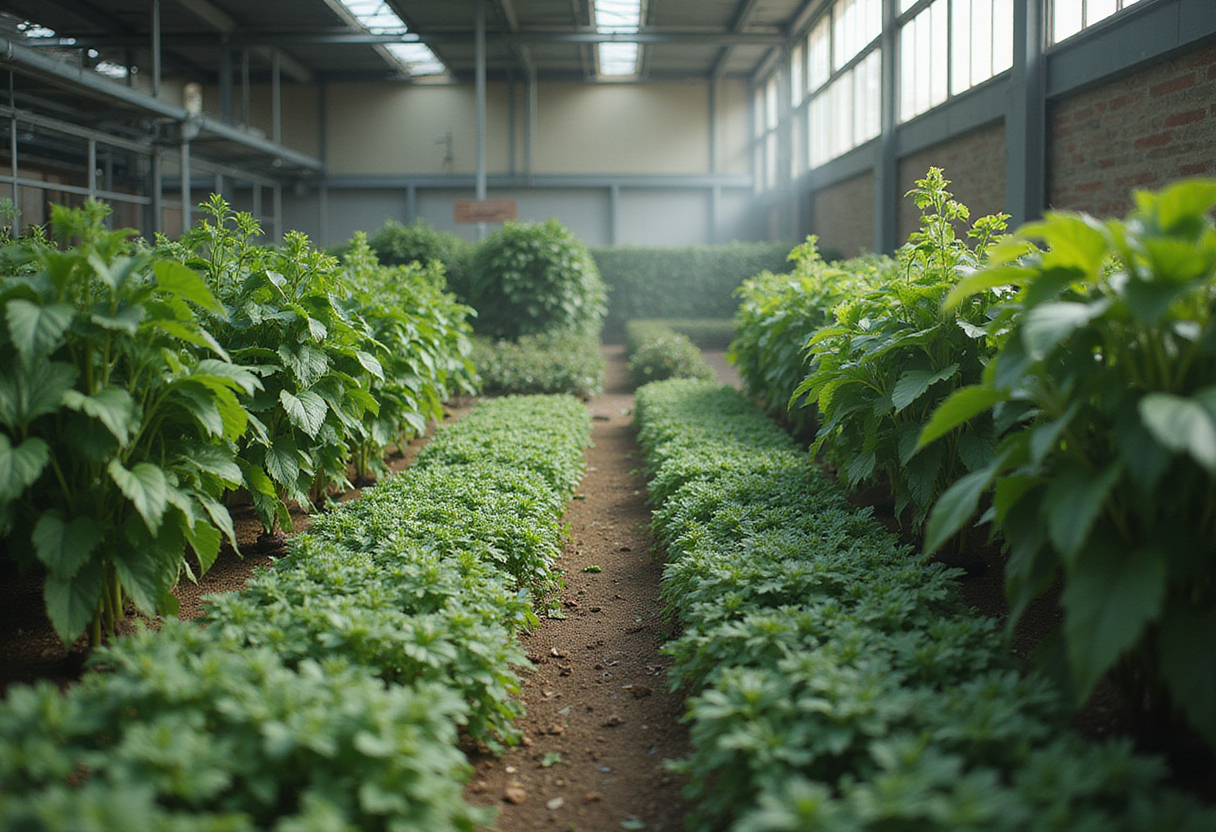
A new report projects fertilizer prices will stay elevated through 2028, as armed conflict and constrained supply continue to squeeze global nutrient markets and push input costs onto farm margins.
The finding, reported by The Western Producer, points to geopolitical disruption as a central driver of the outlook. Conflict has directly affected production and trade flows in key fertilizer-producing regions, while tight global supply leaves little buffer against further shocks. For growers, that means the input-cost relief many hoped for after the 2022 price spike is unlikely to materialize on the report's timeline.
The projection carries significant weight for farm budgeting. Fertilizer typically ranks among the largest variable expenses for grain and oilseed producers, and sustained high prices compress margins even when commodity prices hold firm. The report's horizon — stretching to 2028 — suggests producers face a multi-year planning environment in which nutrient costs remain a structural constraint rather than a cyclical spike.
Supply-side dynamics underpin the outlook. Global fertilizer production remains concentrated in a small number of exporting countries, and the report identifies low available supply as a persistent condition rather than a temporary bottleneck. Any additional disruption to production or logistics could push prices higher still, given the limited slack in the system.
For prairie growers and other fertilizer-intensive producers, the implications are direct. Elevated nitrogen, phosphate and potash prices raise break-even thresholds and sharpen the calculus on application rates. Producers weighing whether to trim nutrient applications against yield risk will need to price that trade-off carefully across successive cropping seasons if the report's projection holds.
The report also serves as a caution against extrapolating from short-term price dips. Spot market softness in any given season does not necessarily signal a return to the lower input-cost environment that prevailed before the recent disruption, according to the outlook's supply-and-conflict framing.
Growers, cooperatives and input buyers planning multi-year purchasing strategies will likely treat the 2028 horizon as a working assumption rather than a worst case. Forward-pricing decisions, storage investment and alternative nutrient strategies all take on added significance under a prolonged high-cost scenario.
If conflict persists and supply stays tight, fertilizer will remain one of the decisive variables separating profitable operations from strained ones through the middle of the decade, the report's outlook implies.
via Google News: Fertilizer markets (Source)
More from Rebecca Stone
Show full bio
Market editor covering industry trends and analytics at Agribusiness Wire.
135 articles
Also in the yard
- Global Fertilizer Prices Climb as Supply Stays Tight
- US growers push back as fertilizer costs squeeze margins
- Global Fertilizer Supply Risks Keep Long-Term Price Pressure On
- Conflict Drives Fertilizer Prices Higher, Squeezing US Farm Margins
- Geopolitical Disruptions Drive Global Fertilizer Prices Higher