Lot No. LOT-3295 · offered October 30, 2026
Agricultural PolicyLot sheet
USDA seeks dyed diesel waivers as Senate farm bill debate continues
USDA estimates dyed-diesel waivers could save $640 million, while a Senate farm bill carries $23.6 billion in projected spending and USDA commits $472.5 million to commodity purchases.
Market notes
- USDA estimates dyed-diesel waivers could save more than $640 million across 224.6 million harvested acres.
- CBO projects the Senate farm bill will increase direct spending by $23.6 billion and the deficit by nearly $4.4 billion from 2027-2036.
- USDA plans up to $472.5 million in Section 32 commodity purchases, including $165.5 million for dairy.
- USDA awarded $4.4 million for seven wetland mitigation bank projects.
- A $24.6 million loan supports a 400-head-per-day beef plant in Dimmitt, Texas.
By Marcus Bennett
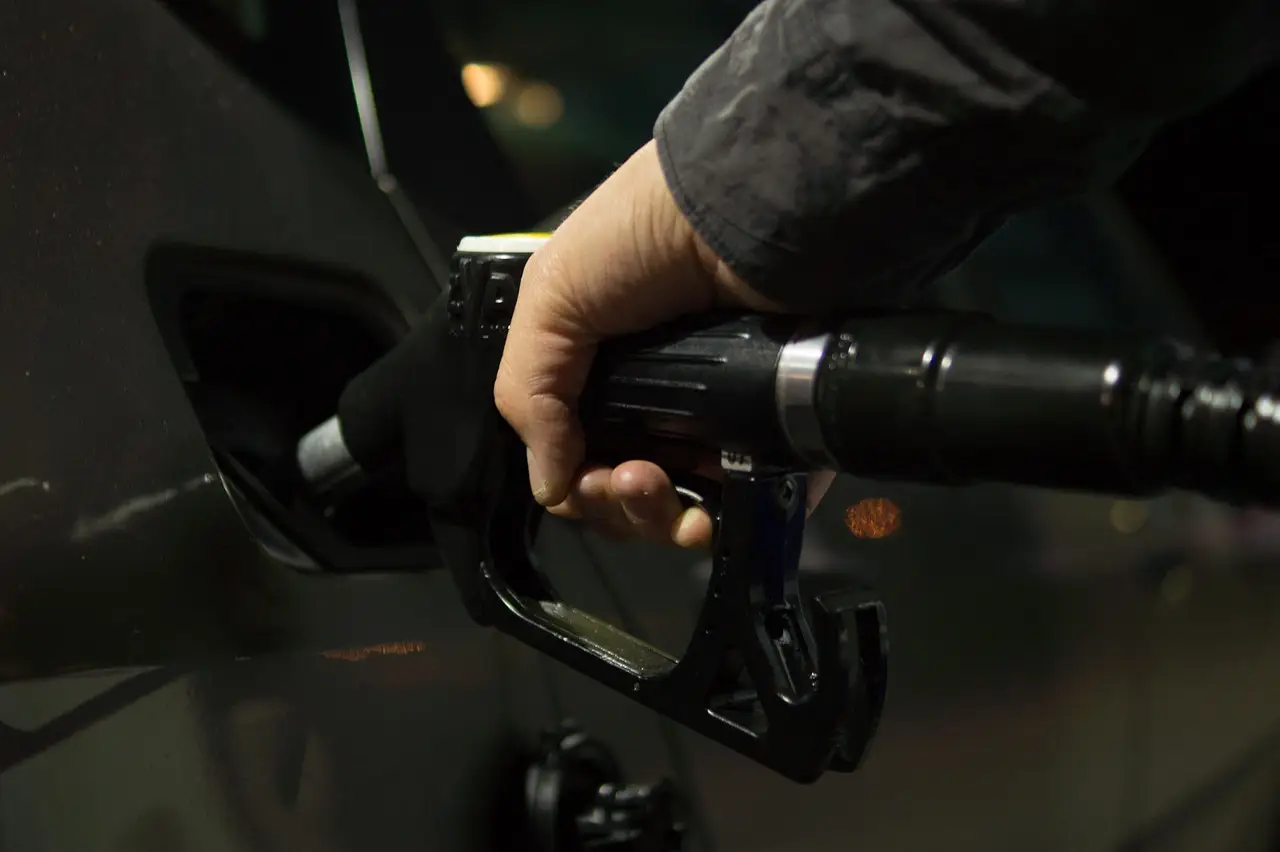
USDA estimates that state waivers of dyed-diesel restrictions, paired with a temporary federal enforcement suspension, could save growers more than $640 million across roughly 224.6 million harvested U.S. acres.
Agriculture Secretary Brooke Rollins asked governors to waive state requirements on dyed diesel, noting that 31 states have already acted early. Her Oct. 30 letter asked for full and fair consideration and said the action could provide constituents real relief for the rest of the harvest season and beyond.
Earlier in October, President Donald Trump directed the Internal Revenue Service in an executive order to stop penalizing on-road dyed-diesel use through year-end. The order asked Treasury Secretary Scott Bessent to defer federal highway-use excise tax payments for the rest of the year, without interest or penalties.
What does the dyed-diesel waiver change for growers?
For eligible on-road use, the combination lowers the risk of tax bills and penalties during harvest. That matters for working capital because diesel is a direct operating expense. It does not guarantee lower pump prices.
USDA's $640 million figure remains an estimate, not cash distributed. Actual savings depend on state action, fuel use and tax liability.
AAA reported that the national average for regular gasoline fell 5 cents over the past week to $4.22 per gallon. Crude oil above $100 per barrel limited further declines at the pump.
Separately, Trump aides are trying to persuade U.S. companies to accept Russian diesel shipments now crossing the Atlantic, according to the Washington Sun, which cited unidentified sources. Companies have resisted because of legal and reputational concerns. “This will be a climactic act to watch on the first November weekend,” said Tom Kloza, chief energy adviser for Gulf Oil.
The Senate farm bill carries a larger budget tag
Sen. Amy Klobuchar, D-Minn., the ranking member of the Senate Agriculture Committee, remains committed to passing a farm bill before Congress's latest session ends. She plans to work with committee chairman Sen. John Boozman, R-Ark., and the House Agriculture Committee on a bipartisan bill.
Staff from the four corners of Congress continue negotiating. “There is agreement on a number of bipartisan provisions in the bill,” Klobuchar said.
Her priorities include resolving the first two years of SNAP cost shifts to states, which she said burden states with mid-level error rates; putting year-round E15 into law; and funding voluntary conservation programs.
Her comments followed the Congressional Budget Office's Wednesday cost estimate. CBO says the bill would increase direct spending outlays by $4.8 billion and increase direct spending by $23.6 billion over the next decade.
CBO also projects a nearly $4.4 billion increase in the federal deficit from 2027 through 2036. It estimates that delaying the SNAP state cost-share requirement by one year would reduce state spending by $5.2 billion.
Those savings cannot offset the higher 2031 contribution rate because the changes occur in different years. Projections depend on the final bill and future state participation; they do not measure farm income.
Federal purchasing and project awards
USDA plans to buy up to $472.5 million of U.S.-grown commodities for charitable organizations and nutrition assistance programs. Section 32 funds the purchases to boost domestic consumption of farm products. The agency named milk, cheese, lentils, almonds, rice, catfish and other commodities.
The announced allocations include:
- $165.5 million for dairy.
- $41 million for pork.
- $37 million for split peas.
- $21 million for rice.
USA Rice President and CEO Peter Bachmann thanked USDA for the $21 million rice commitment. He said it would support the domestic rice market and supply a nutritious, versatile, shelf-stable staple through federal nutrition programs. USDA did not specify purchase prices or farm-gate basis, leaving their effect on producer margins uncertain.
Seven wetland mitigation bank projects will receive $4.4 million through USDA's Wetland Mitigation Banking Program. The program restores or creates wetlands that generate credits for producers who need to remain eligible for USDA benefits after disrupting agricultural wetlands. Awards cover Wisconsin, Michigan, Indiana, Iowa, South Dakota, North Dakota and Illinois.
USDA also approved a $24.6 million commercial loan for a new beef processing plant in Dimmitt, Texas, designed to process 400 head per day. Twenty-six Texas Panhandle cattle producers initiated the project to create an alternative to major national meat processors and support more competitive beef wages. USDA expects the plant to create 220 jobs.
Formula rules and campaign travel
FDA scheduled a proposed infant-formula rule for publication in the Federal Register on Nov. 2. It would:
- Increase the required minimum iodine level and decrease the maximum.
- Decrease the minimum and maximum Vitamin A levels.
- Increase the minimum and maximum Vitamin D levels.
- Decrease the required minimum manganese level and establish a maximum.
President Donald Trump will not appear Saturday at a Salina rally with Republican Sen. Roger Marshall, whose race against Democrat Adam Hamilton has tightened unexpectedly.
The Washington Post reported Thursday that Trump is trimming his travel schedule and will hold tele-rallies for more candidates. The White House did not respond to a request for comment, but an official said Trump would use more than 20 tele-rallies before Election Day.
Canada puts food security in its security policy
Canadian Prime Minister Mark Carney described Canada as standing at a hinge moment shaped by contested borders, authoritarian aggression and acute global threats. The country's first national security policy in 20 years calls for stronger food security through expanded domestic production, processing and distribution under the National Food Security Strategy.
For U.S. farms, the next measurable tests are state dyed-diesel waivers, congressional action on the farm bill and delivery of the $472.5 million in commodity purchases before year-end.
via cbo.gov (Original)
More from Marcus Bennett
Show full bio
Senior reporter covering regulation, policy and their impact on Agribusiness coverage for industry professionals at Agribusiness Wire.
443 articles
Also in the yard
- Trump defers 24.4-cent diesel tax, opens dyed diesel to highways
- Trump signs executive order extending dyed diesel use through year-end
- Farm Bureau Asks Trump to Suspend Diesel Tax as Prices Hit $6.38
- California Farmers Pay $8.36 Diesel; Newsom Rejects Red-Fuel Fix
- Dyed diesel waiver pairs with state measures to trim farm fuel costs