Lot No. LOT-2026 · offered October 30, 2026
Agricultural PolicyLot sheet
Diesel Costs Strain Southwest Growers Ahead of $8B Aid
Diesel above $6 a gallon has pushed Southwest growers toward fewer trips and lighter tillage, while an $8 billion federal program offers one-time harvest-season relief.
Market notes
- Diesel has risen more than 65% since February and exceeds $6 a gallon.
- The Harvest Fuel Relief Program is valued at $8 billion for one-time harvest-season payments.
- Payments will cover part of modeled 2026 crop-year losses using a uniform proportional formula.
- Mason Becker’s fuel costs are at least 30% above his pre-season budget in the $3 range.
- Becker buys diesel in 500-gallon lots, spending about $3,000 per day.
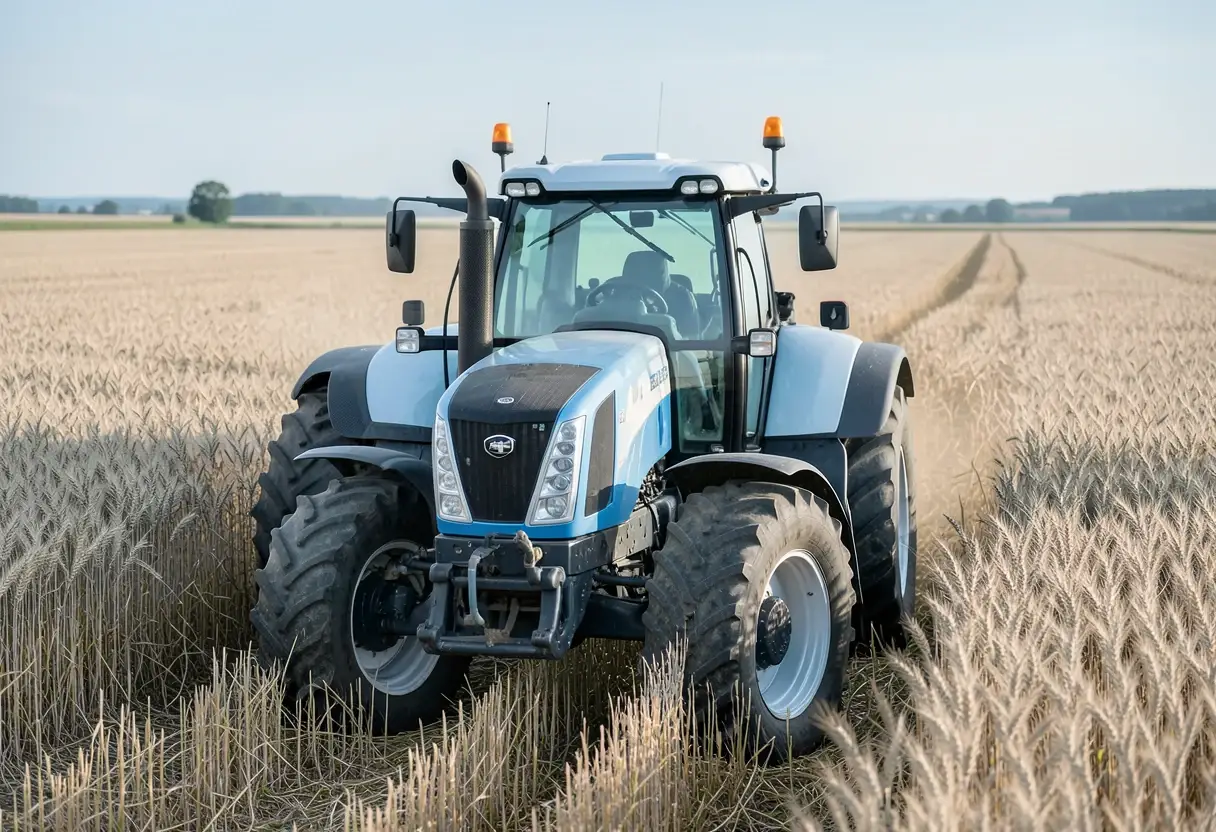
An $8 billion federal Harvest Fuel Relief Program will offer farmers one-time payments this harvest season as Southwest growers face diesel above $6 a gallon and one Texas producer’s fuel spending at least 30% over budget.
President Donald Trump and Agriculture Secretary Brooke Rollins announced the program last week to ease temporary market disruptions and increased input costs. USDA said it would implement the program like the Farmer Bridge Assistance program, with payments following a uniform formula allocated proportionally to cover part of modeled losses during the 2026 crop year.
For the main formula, USDA plans to combine Farm Service Agency reported acres, Economic Research Service production-cost estimates and World Agriculture Supply and Demand Estimates yields and prices. Payments therefore depend on modeled conditions, not each farm’s actual diesel bill.
What is driving the farm fuel squeeze?
Diesel prices have risen more than 65% since February, when Trump authorized military action in Iran, according to a recent Farm Futures article. The increase has reached farm budgets in Oklahoma, New Mexico and Texas, where fuel competes with fertilizer, freight and feed for limited revenue.
Near Erick, Oklahoma, Mark DeLeon pulled a 40-foot wheat drill across soil that record summer heat scorched and recent rain revived. His monitor showed diesel costing about $50 an hour, even though he does not consider the drill a heavy pull.
DeLeon said, “This is more than people with a really good job make [per hour].” He farms peanuts, corn silage and wheat and runs a cow-calf operation near Erick.
In Deming, New Mexico, Don Hartman grows Pima cotton, sorghum, beardless wheat, alfalfa and vegetables. He said every operation burns fuel and that diesel and fertilizer costs move together, leaving him exposed twice when both markets tighten.
His specialty crops also require his greatest fuel use. He said the double hit strains cash flow and makes borrowing harder.
In Terry County, Texas, Mason Becker, who grows cotton and peanuts, budgeted fuel in the $3 range before a season-long drought. He now pays at least 30% more, which he said removes money from an already thin bottom line and widens the profitability gap.
He also said cattle producers cannot simply pass higher freight costs to buyers, so the increase eats into cattle margins. For DeLeon, drought has shortened pasture and forced hay purchases; one seller quoted more than $6 a mile, with freight sometimes exceeding the hay itself.
The shock has reached crop, fertilizer and cattle budgets at once.
How will the $8 billion program reach growers?
Specialty crop growers such as Hartman must submit increased fuel-cost data to USDA. USDA said it will announce payments later for these non-Title I commodities, leaving specialty producers without a payment date.
DeLeon said growers are supposed to receive the aid in November, although most do not receive payment for their crops until the following year. He said the timing forces farms to finance extra fuel from working capital or other budget lines through winter.
Becker welcomed the assistance but called it a Band-Aid on a bullet wound. He said many farmers are closer to going under than surviving and compared the scale of need with bailing a sinking ship with a teaspoon; he also credited the administration’s support for farmers while saying he was trying to remain realistic rather than pessimistic.
Relief will help, but it will not erase this season’s cash-flow squeeze.
How are producers cutting diesel use?
Hartman is shifting next spring’s pumpkins into cotton trash and watermelons into wheat stubble. His entire operation is drip-irrigated, and much of his acreage already uses minimum tillage, changes that reduce passes and fuel use.
His current onions and chili peppers need well-tilled soil because the seed is small, requiring extensive fall tillage at precisely the point when fuel prices are highest. He is also matching tractors to jobs, using a smaller 6155R instead of a larger 8220 when the extra horsepower is unnecessary.
DeLeon is replacing a plow pass with a harrow plow to knock down weeds, preserve moisture and save fuel. He is eliminating avoidable pickup trips, including checks of rain gauges, and no longer leaves tractors idling; Hartman is asking employees to do the same.
DeLeon will retain daily cattle checks despite the cost. Another producer discussed moving a 200-head herd close to the house and feeding from a bunk to reduce trips, but DeLeon plans to keep cattle on pasture and combine supplies into each outing.
Efficiency changes can trim fuel use, but required fieldwork and cattle care remain.
Where do farm margins stand?
Becker is buying diesel in 500-gallon lots rather than bulk transport loads, spending about $3,000 per day. The approach ties up less cash and avoids bank interest that he says bulk purchases would not offset. He also plans to use fewer tillage passes and is considering next season’s fuel hedge.
Fewer passes can mean more chemical use, he said, and fuel hedging carries its own risk if prices change. Becker said he does not have the answer, but argues that structural change is necessary if established farmers remain in business and new farmers enter.
Becker said, “We can’t keep paying what we’re paying for things and selling our commodities for what we’re selling them for and make it work.”
Until input costs or commodity prices move, growers have little room to absorb another increase. The coming test is whether fuel savings can protect farm margins before November, while unresolved payment timing and modeled-loss formulas leave specialty growers waiting for a separate schedule.
via Farm Progress (Source)
More from Grace Kim
Show full bio
Correspondent covering people, launches and day-to-day practice in Agribusiness coverage for industry professionals at Agribusiness Wire.
474 articles
Also in the yard
- USDA Opens $8 Billion Harvest Fuel Relief Program for 2026 Crop
- USDA Rolls Out $8 Billion Harvest Fuel Relief Program
- Trump Announces $8 Billion Harvest Fuel Relief Program for Farms
- USDA Opens $8 Billion in CCC Funds for Fuel and Input Relief
- Rollins Signals 'Very Soon' Relief Announcement on Farm Diesel Costs