Lot No. LOT-9640 · offered November 13, 2026
Commodity MarketsLot sheet
USDA's Zigzagging 2026 Corn Yield Estimates Set Up January Showdown
NASS swung the 2026 US corn yield estimate down, up nearly 3 bushels, then down again after a September data error. The January 12 final report now caps an asymmetric price bet for Corn Belt sellers.
Market notes
- October Crop Production report raised the US corn yield estimate by nearly 3 bushels per acre; corn fell 20 cents per bushel on report day.
- 2026 trendline yield started at 183 bushels per acre; revisions have reached nearly 5 bushels below that figure.
- A NASS data processing error produced an erroneous September 2026 yield estimate, corrected later.
- Average absolute late-season month-to-month yield revision since 2014 is about 1.4 bushels per acre; 2026 swings exceeded it.
- Final NASS corn yield estimate arrives January 12, 2027.
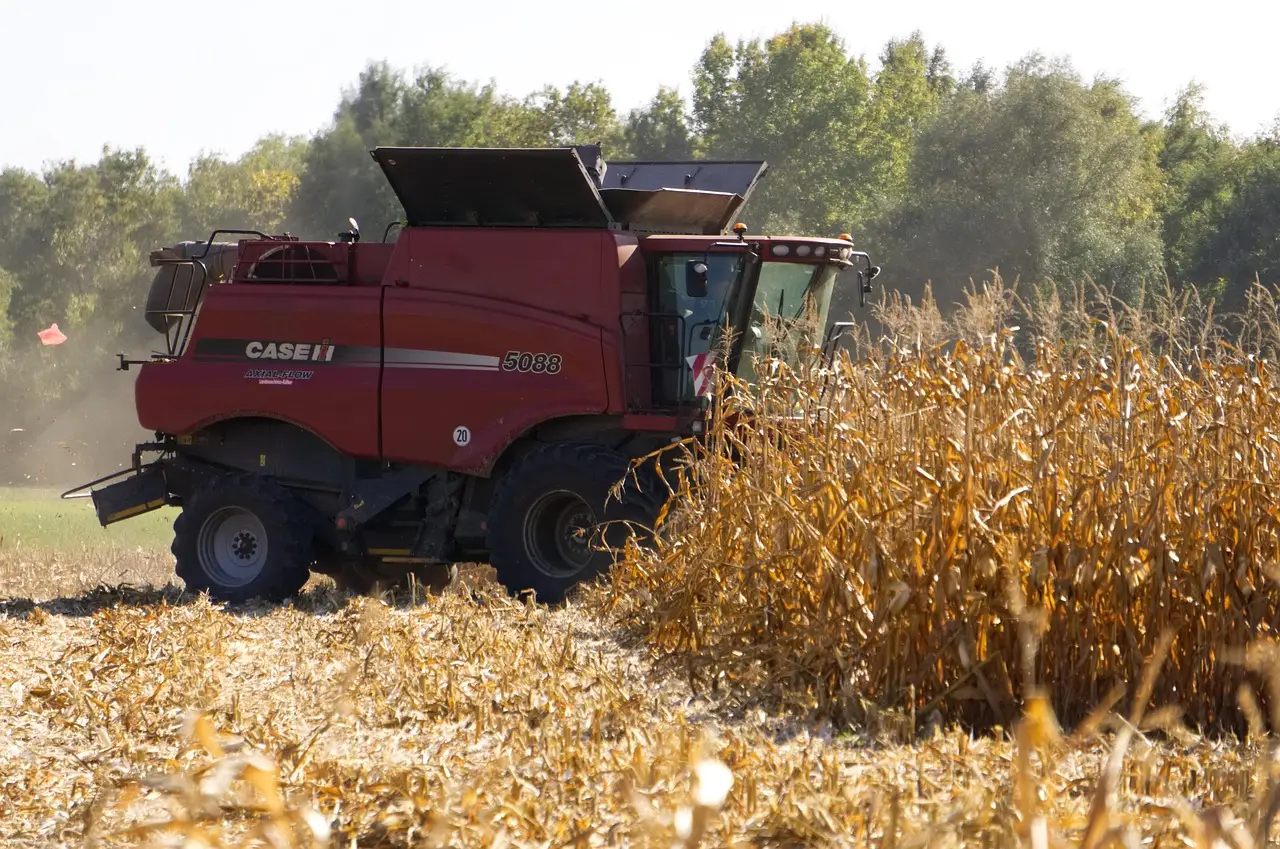
USDA's October Crop Production report raised the US national average corn yield estimate by nearly three bushels per acre, and corn futures fell 20 cents per bushel on report day. That single session captures a 2026 forecasting cycle in which the National Agricultural Statistics Service has lowered, raised, and lowered again its national yield number — a pattern analysts at the University of Illinois's farmdoc daily call a "split personality" running counter to USDA's usual smoothing across the forecasting cycle.
The skepticism is not unfounded. A data processing error produced an erroneous estimate in NASS's September Crop Production report, later corrected but documented by Farm Futures on November 5, 2026. The November report then trimmed the estimate again, reinforcing doubts among market observers about the numbers' veracity.
How far has the estimate moved?
The 2026 crop year began with a trendline yield of 183 bushels per acre released in May. Through the monthly Crop Production reports from August to November, the estimate has swung as much as nearly five bushels below that initial figure, yet it remains close to trend. Since 2014, revisions have stayed within plus or minus ten bushels of the May trendline, and 2026 sits well inside that historic range.
What is unusual is the sign-flipping. Most years show correlated, smoothed adjustments, a tendency documented by Scott Irwin and Darrel Good at farmdoc daily. This year's reversals are uncommon and among the larger ones in the sample for this point in the season.
What does history say about January?
The average absolute month-to-month change across the final three forecast revisions runs about 1.4 bushels per acre. The 2026 October and November revisions exceeded that, consistent with above-normal yield uncertainty this year.
The final NASS estimate lands January 12, 2027. History offers no reliable compass: farmdoc's analysis finds no clear relationship between earlier revisions and the January adjustment, and no statistically significant tendency in November-to-January changes — though those late changes tend to run slightly larger than earlier-month revisions. Bulls citing large negative January revisions in 2014, 2018, 2020, and 2024 are, in the analysts' words, working with a sample much closer to anecdote than data.
What does this mean for farm margins?
For Corn Belt growers holding significant corn to sell after January 1 — the typical post-harvest position — the setup is an asymmetric bet. A lower final yield offers some price upside, but that upside is capped because the current estimate sits below trend, yet not far below it against the historic range of revisions.
Demand adds no help. US corn export use is not especially strong, and no South American supply disruption has emerged that would build a fundamental case for higher prices at this stage of the marketing year. Both forces, farmdoc notes, may already be responding bearishly to the ambiguity around US supply.
Timing also matters. During the growing season, yield uncertainty tends to support prices through a weather risk premium, per Joseph Janzen's farmdoc research. By December, that premium has largely bled out. As the analysis puts it plainly: "the market has less room to build in a risk premium now than it typically does in June, July, and August."
The bottom line for growers: the January 12 report matters more than usual in 2026, the lack of smoothing makes the NASS figure harder to anticipate, and the downside from a higher final yield likely outweighs the capped upside from a lower one.
via farmdocdaily.illinois.edu (Source)
More from Grace Kim
Show full bio
Correspondent covering people, launches and day-to-day practice in Agribusiness coverage for industry professionals at Agribusiness Wire.
512 articles
Also in the yard
- USDA trims corn to 15.9 billion bushels, lifts soybeans to record
- USDA Trims Corn, Soybean Yield Forecasts in August Reports
- USDA Lifts 2026 Corn Outlook to 16.034 Billion Bushels
- Corn, Soybean Prices Brace for Harvest Verdict After Three-Week Range
- USDA Raises Corn Carryout to 1.849 Billion Bushels, Up 282 Million