Lot No. LOT-2918 · offered November 13, 2026
Commodity MarketsLot sheet
USDA's Bigger-Than-Expected Corn Yield Cut Lands With AI Audit
USDA cut corn yield more than expected in Tuesday's WASDE and will deploy an AI anomaly-checking tool in November, as GAO reports NASS staff fell 37% to 461 employees.
Market notes
- USDA cut corn yield more than expected in the Tuesday WASDE report.
- USDA will use an AI anomaly-detection tool on the November crop production report after a September pilot.
- GAO: NASS lost 285 staff since the start of the Trump administration, a 37% decline.
- NASS fell from 795 employees in December 2024 to 461 as of September 2026.
- Undersecretary Scott Hutchins confirmed the tool successfully flagged anomalies in retrospective September data.
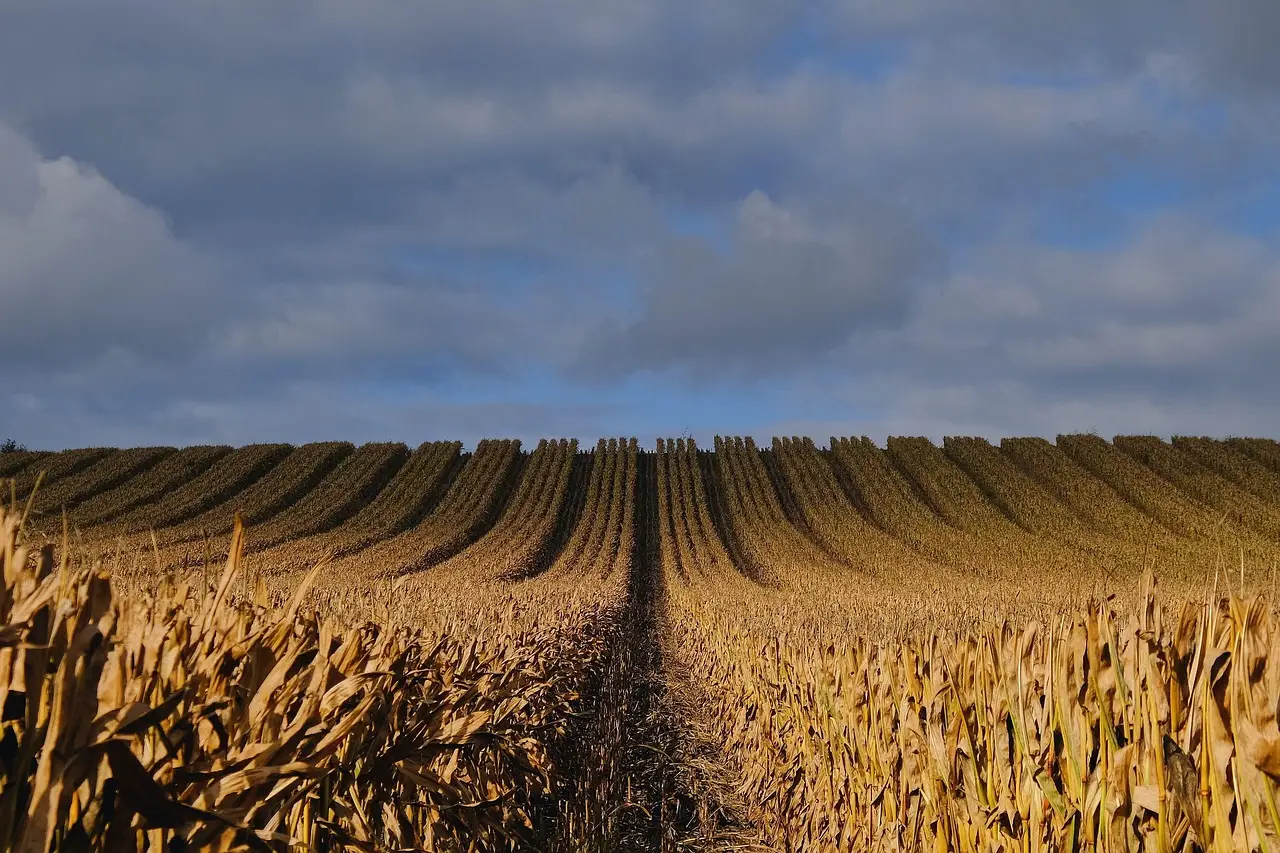
USDA cut its corn yield projection more than analysts expected in Tuesday's World Agricultural Supply and Demand Estimates report, catching the trade off guard and landing amid a running dispute over the agency's data quality.
The WASDE release, summarized by Farm Policy News in a compilation of coverage, delivered a monthly crop production figure that came in below market expectations. The cut follows months of complaints from growers about earlier reporting errors — complaints serious enough that USDA changed how it checks its own numbers.
How will USDA verify the numbers now?
On Monday, one day before the report, USDA officials said the agency would run an artificial intelligence tool alongside the monthly crop production process. As DTN/The Progressive Farmer reported, the tool is designed to flag statistical anomalies before publication rather than to replace the survey itself.
"We went back to September in retrospect, and we utilized a super intelligence (SI) tool that would allow us to identify anomalies in the data, things that don't seem appropriate based on what the model is showing. As it turns out, it was able to identify that. Because of that successful pilot, we're going to be utilizing that in November," Agriculture Undersecretary for Research, Education and Economics Scott Hutchins told reporters.
The timeline matters. The agency tested the tool retroactively against September data, found anomalies it says the system caught, and then committed to a live deployment for November — a fast track for a statistical agency, and one that leaves the November reports as the first real-world test of whether the screening changes published figures. USDA has not detailed how many anomalies the September review found or whether any altered an estimate.
Why did the errors draw scrutiny?
The reporting questions sit against a steep staffing decline at the National Agricultural Statistics Service, the USDA branch that produces the underlying surveys. A Government Accountability Office report released Monday put hard numbers on it:
- NASS has lost 285 staff members since the start of the Trump administration — a 37% decline in workforce.
- The agency counted 795 employees in December 2024.
- That figure fell to 461 employees as of September 2026, according to DTN.
A 37% cut in survey capacity raises an obvious question the GAO numbers do not answer: whether remaining staff can maintain response rates and data coverage across the full slate of county- and state-level estimates. Fewer enumerators typically means thinner samples, and thinner samples widen the error bands around exactly the kind of yield figures that moved markets Tuesday.
The AI screening tool, in other words, addresses the back end of the pipeline — catching anomalies after data collection — while the GAO figures describe pressure on the front end, where the data originates.
What it means for growers
For producers, the stakes run straight through farm margins. Corn yield estimates shape price discovery on futures markets and, by extension, revenue expectations for unpriced bushels. A surprise cut of the size delivered Tuesday can move basis and input planning in both directions, which is one reason the industry watches the methodology, not just the headline number.
The next checkpoint is the November crop production report, when the anomaly-detection tool runs live for the first time and markets learn whether USDA's corrections rebuild confidence in the data or renew questions about it.
By Olivia Hart, Agribusiness Wire
via thefencepost.com (Source)
More from Olivia Hart
Show full bio
News editor covering technology and product news in Agribusiness coverage for industry professionals at Agribusiness Wire.
510 articles
Also in the yard
- USDA Deploys In-House AI Tool to Screen Crop Reports After Errors
- Iowa Farmer Sees Turning Point in USDA Data Overhaul
- SatYield executives face skeptical grilling on satellite crop intelligence
- USDA Trims Corn, Soybean Yield Forecasts in August Reports
- USDA's October WASDE Puts Nebraska Corn Yield Jump at Center of Dispute