Lot No. LOT-1092 · offered October 30, 2026
Agricultural PolicyLot sheet
USDA Puts $325 Million Behind 42 Conservation Partnerships
USDA will invest over $325 million in 42 RCPP conservation projects, including an Iowa grazing program targeting 300,000 acres of cover crops and 3.3 million pounds of nitrogen loss reduction.
Market notes
- USDA announced $325 million for 42 Regional Conservation Partnership Program projects on Oct. 26
- Iowa project targets 300,000 acres of cover crops and 3.3 million pounds of nitrogen loss reduction
- Georgia project will protect at least 6,000 acres of working forest across 16 counties
- Washington tribal project will restore salmon habitat across 256 acres
- Working Families Tax Cuts Act funds RCPP through fiscal 2031
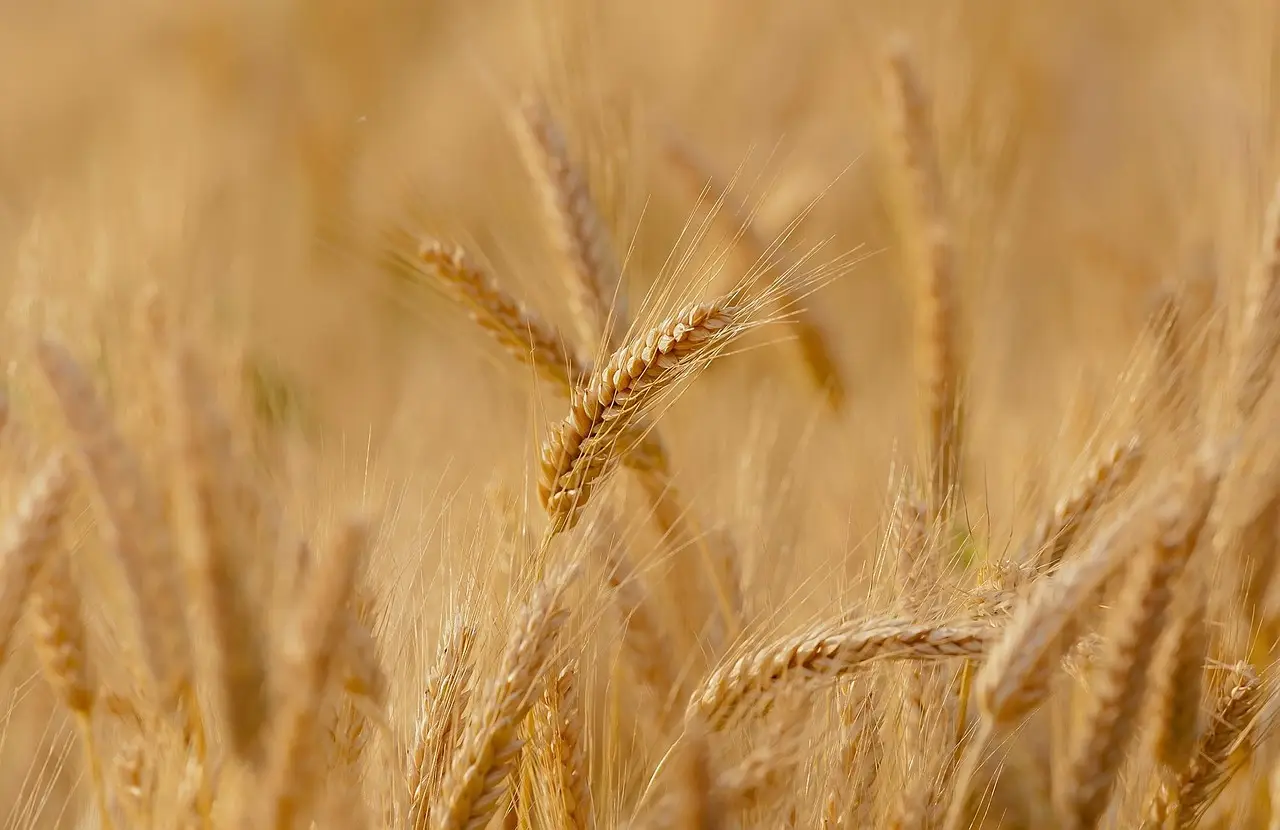
USDA will invest more than $325 million in 42 conservation projects nationwide, Agriculture Secretary Brooke Rollins announced Oct. 26 through the Regional Conservation Partnership Program. The figure averages roughly $7.7 million per project, a sum that pairs federal dollars with private and local partners to fix natural resource problems on working land.
The awards cover soil health, water quality, wildlife habitat and the long-term viability of agricultural and forest land. The Natural Resources Conservation Service scored proposals on conservation priorities, producer assistance, precision agriculture technology and tribal partnerships.
"These investments will help producers address local resource challenges, improve the resilience of their operations, and keep working lands productive for generations to come," NRCS Chief Colton Buckley said in a news release.
What does the money buy in Iowa?
The largest detail in the announcement centers on Iowa. Funding will expand the state's Cattle and Conservation Working Lands Program, developed with the Iowa Department of Agriculture and Land Stewardship. The project blends cover crops, forage and biomass plantings, watering systems and other practices across western and central Iowa.
USDA expects measurable outcomes:
- More than 300,000 acres of cover crops established
- Nitrogen losses cut by approximately 3.3 million pounds
- Phosphorus losses cut by 336,000 pounds
- Soil loss reduced by 1 million tons
The project also targets stronger grazing systems and improved producer profitability. Iowa Agriculture Secretary Mike Naig said the award will provide "the flexibility to support infrastructure improvements and expand the program to serve livestock producers in more Iowa counties." The program began as a pilot in Taylor County in 2016, meaning the new money scales a nine-year-old effort.
Which other regions drew awards?
Three projects illustrate the geographic spread. In southwest Georgia, Tall Timbers Research will lead an effort to protect at least 6,000 acres of working forest through voluntary conservation easements across 16 counties, with work focused on restoring longleaf pine stands, improving wildlife habitat and protecting water quality.
In Texas, the Texas Agricultural Land Trust will conserve coastal tallgrass prairie through voluntary agricultural easements. The stated aim is protecting productive farmland and habitat against development pressure and rising land values.
In Washington state, the Lummi Nation and Nooksack Indian Tribe will lead a watershed restoration project targeting salmon habitat across 256 acres. Planned work includes engineered logjams, floodplain and wetland restoration, and tree planting along waterways.
How secure is the funding?
USDA said recent program changes have streamlined partnership agreements and given conservation partners more flexibility. The Working Families Tax Cuts Act supplies long-term funding for NRCS conservation programs, including RCPP, through fiscal 2031 — a runway of more than six budget years.
For producers weighing participation, the practical question is what changes on the ground. In Iowa, the answer is infrastructure and acres: more counties served, more cover-crop ground and fewer nutrient and soil losses, with the department tying those practices to grazing profitability rather than compliance alone.
Applications and project rollouts will determine how quickly the dollars reach farms, ranches and forests, and USDA's next reporting cycle will show whether the Iowa acreage and nutrient-loss targets stay on schedule.
via usda.azureedge.us (Original)
More from Marcus Bennett
Show full bio
Senior reporter covering regulation, policy and their impact on Agribusiness coverage for industry professionals at Agribusiness Wire.
443 articles
Also in the yard
- USDA to Deploy $1 Billion for Regenerative Pilot Program in 2027
- USDA Lifts Regenerative Ag Pilot to $1 Billion for Fiscal 2027
- USDA Facility Closure in Maryland Channels $37 Million to UNL Ag Research
- USDA Puts $5 Million Into Wetland Restoration on Farm Easements
- USDA Commits $8 Billion in CCC Fuel Relief; Payments Rest on 2026 Estimates