Lot No. LOT-1688 · offered October 30, 2026
Agricultural PolicyLot sheet
USDA Projects 2026 Net Farm Income at $158.4B as Tariffs Hit ATVs, UTVs
USDA projects 2026 net farm income at $158.4B as Section 232 tariffs add thousands per ATV and UTV. Advocates want the motorcycle-style exemptions applied to farm working vehicles.
Market notes
- USDA projects 2026 net farm income at $158.4 billion, down significantly from last year.
- Section 232 changes apply tariffs to the full value of steel-containing ATVs, UTVs and their parts, adding thousands of dollars per vehicle.
- Only one in three farmers say they can afford needed fertilizer; 60% report worsened finances from rising input costs.
- The administration previously granted Section 232 relief to motorcycles and e-bikes when cost increases became unsustainable.
- China's U.S. soybean purchases are down and a new deal allows more beef imports, both headwinds for American agriculture.
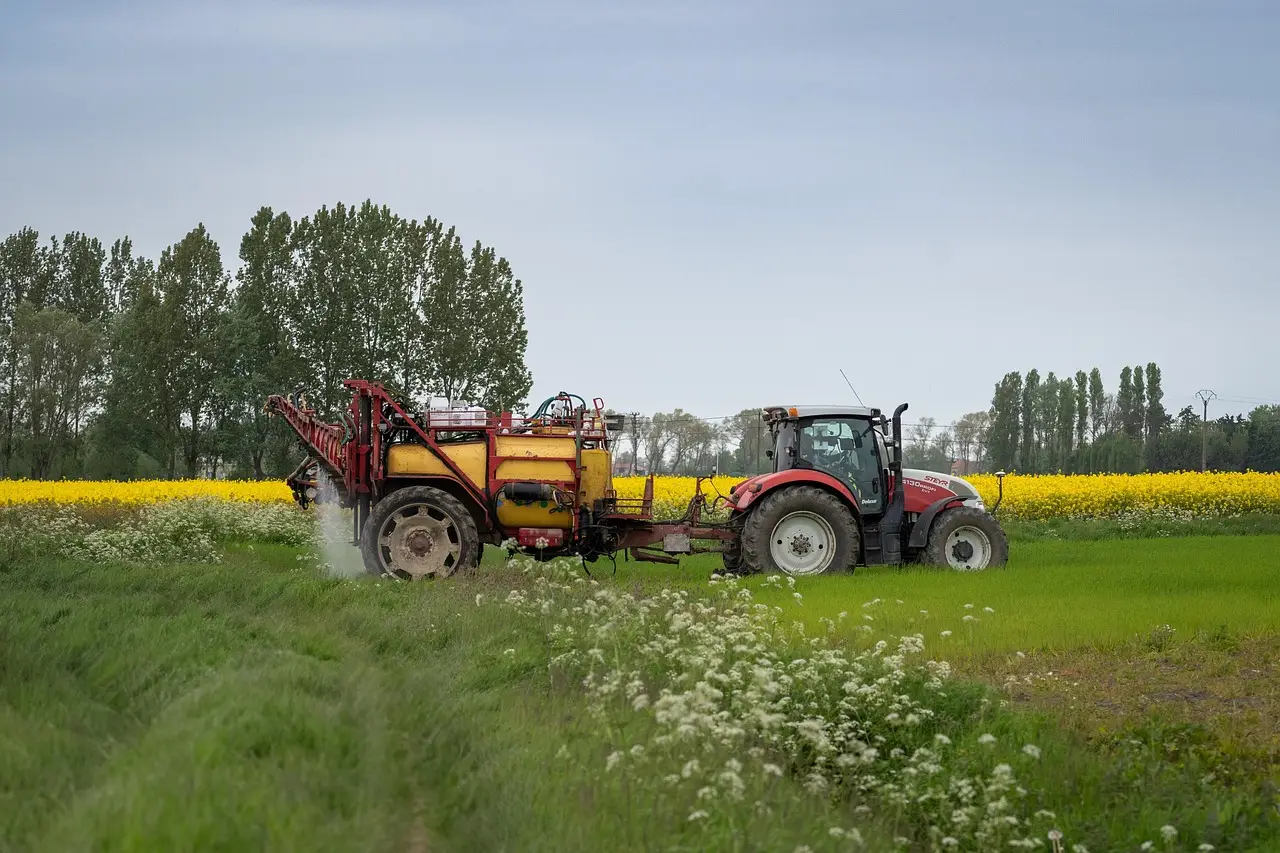
USDA projects net farm income for 2026 at $158.4 billion — a significant drop from last year — and Section 232 tariffs on off-road working vehicles are adding thousands of dollars to machines farmers can't easily replace.
That's the core of an argument from Todd Cranney, executive director of Save America's Working Vehicles, who says the administration can relieve part of the pressure without waiting on global trade dynamics to shift. His prescription: full, permanent tariff exemptions for ATVs and UTVs.
The timing matters. Experts describe this as the toughest farm economy in nearly 50 years, and farmers are heading into harvest with finances already stretched thin.
What do the tariffs actually cost?
Under recent changes to Section 232 tariffs, products made partially of steel — along with many of their parts and components — now face duties calculated on their full value, not just the steel content. For ATVs and UTVs, that can add thousands of dollars to a single vehicle.
When prices climb, farms buy fewer units and delay replacing aging machines. That weakens capacity exactly when it matters most: harvest season, when productivity gaps compound fastest.
On a working farm, these vehicles aren't recreation. Cranney writes from firsthand experience on his family farm in Idaho, where ATVs and UTVs monitor irrigation systems, transport supplies and move livestock. Unlike tractors and trucks, off-road vehicles cover rugged terrain and reach areas other equipment can't.
Where does this fit in the farm margin squeeze?
The tariff hit lands on top of multiple compounding pressures:
- China's purchases of U.S. soybeans are down amid ongoing tensions.
- President Trump announced a deal allowing more beef imports into the U.S., creating another headwind for American producers.
- Fertilizer and fuel prices are rising everywhere.
- Only one in three farmers say they can afford the fertilizer they need this season.
- Sixty percent report their finances have worsened from rising costs of these essentials.
Cranney calls the vehicle price hikes the "last straw." Even in strong years, farm margins run tight; a per-unit cost increase of thousands of dollars on essential equipment would hurt regardless. In this environment, it accelerates deferred replacement and shrinks working fleets.
Farmers already absorb plenty of factors they can't control — weather, shifting supply chains, volatile markets. Trade policy, Cranney argues, has unintentionally pulled farmers into a fight aimed at competitors, with the tariffs functioning as friendly fire on the cost side of the ledger.
What's the precedent for relief?
The administration has granted Section 232 relief before. When cost increases on motorcycles and e-bikes became unsustainable, those products received exemptions. Cranney's case is simple: off-road working vehicles used daily by farmers and ranchers deserve identical treatment.
The distinction he draws is between vehicles that face tariffs and vehicles that work for a living. America remains one of the world's top agricultural suppliers, but the producers behind that output are hurting — and while some causes, like global conflict and retaliatory tariffs, sit beyond any administration's control, this particular lever sits squarely within reach.
What does this change for growers?
In the short run, nothing — unless the exemption comes. Until then, buyers planning equipment purchases face the full-value tariff markup on steel-containing vehicles and parts, and the calculation on whether to replace an aging UTV gets harder at exactly the moment deferred maintenance starts costing yield.
The longer-run question is whether the administration treats working vehicles the way it treated motorcycles: as a category whose cost increases proved unsustainable and whose relief set a usable precedent. With 2026 income projected at $158.4 billion and input affordability already limiting fertilizer use on two-thirds of farms, Cranney's closing argument to policymakers is that keeping America's farms productive and rural communities strong starts with reversing course on this one tariff line.
via bit.ly (Original)
More from Nathan Brooks
Show full bio
Staff writer covering regulation, policy and their impact on Agribusiness coverage for industry professionals at Agribusiness Wire.
519 articles
Also in the yard
- Tariffs Raise Farm Equipment Costs Again, Squeezing Margins
- Tariff Cuts Bring Only Limited Relief to Farm Equipment Sector
- Canadian Tariffs Strike U.S. Farm Equipment Sector
- Canada Answers U.S. Trade Move With Tariffs on Farm Equipment
- Canada Tariffs Strike U.S. Farm Equipment as Trade Dispute Escalates