Lot No. LOT-7883 · offered November 11, 2026
Agricultural PolicyLot sheet
USDA awards $51.9 million to combat feral swine in 13 states
USDA awarded $51.9 million to 29 projects across 13 states for feral swine surveillance, trapping, removal and landowner training, part of a $105 million conservation program.
By Rebecca Stone
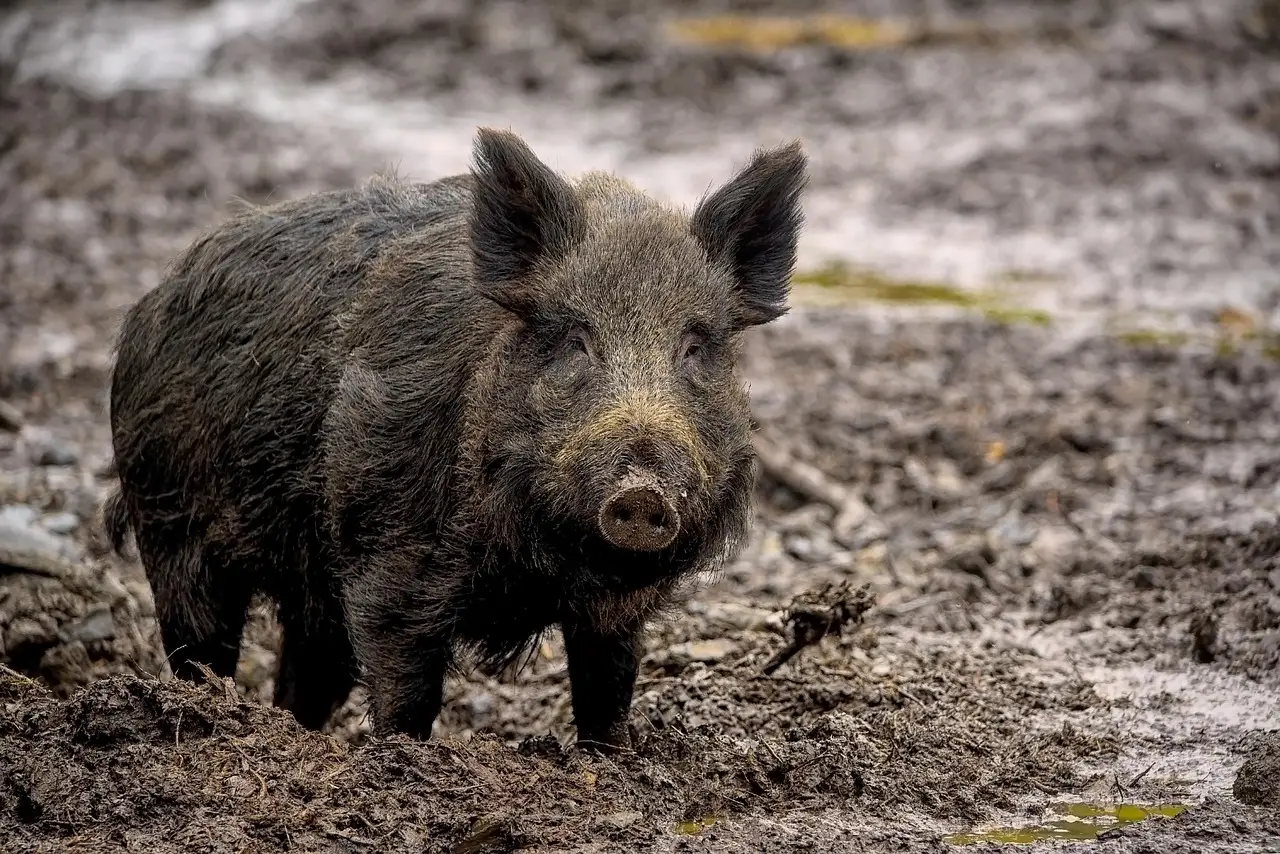
USDA has awarded $51.9 million to 29 partnership projects across 13 states to control and eradicate feral swine, limit damage to agricultural lands and protect natural resources.
The awards make up nearly half of the $105 million Feral Swine Eradication and Control Pilot Program. USDA’s Natural Resources Conservation Service (NRCS) and Animal and Plant Health Inspection Service (APHIS) administer the program jointly.
USDA did not publish per-state allocations, payment rates or completion dates in the announcement, so the headline award total does not show how much each state or project receives.
NRCS Chief Colton Buckley said: “Feral swine pose a threat to America’s working lands, and through this program, we’re bringing together America’s agricultural producers and partners to combat feral swine and protect agricultural landscapes. The selected projects will take critical steps to eradicate and control feral swine across the nation where their impact is creating the most harm.”
APHIS Administrator Kelly Moore said: “Feral swine continue to inflict serious damage on America’s farms, ranches, and natural resources. APHIS looks forward to continuing to work with NRCS partners to augment and strengthen our efforts to eradicate and control feral swine populations for the benefit of agricultural and natural resources.”
APHIS estimates the minimum annual cost of feral swine damage in the United States at $3.4 billion. The agency reports that 8% of feral swine carry brucellosis, a disease that can sicken livestock and people, and says the animals can carry several diseases that threaten livestock and human health.
The word “minimum” makes $3.4 billion a lower-bound estimate, not a precise annual total. The announcement provides no sample size, testing window or calculation method for either figure. They establish the scale of the problem rather than a measured result from the 29 new projects.
For growers and ranchers, USDA announces no direct change in commodity prices, input costs or grain basis. It funds a damage-control response rather than lowering purchased input bills. The stated economic benefit comes through reduced damage to plant and wildlife habitat, soil and water quality, and working lands, plus potential reductions in disease pressure on livestock.
USDA routes NRCS grants to participating partners and announces no per-acre producer payment; any margin gain therefore depends on less damage rather than a higher market price.
Since 2020, NRCS reports investing $92.9 million in 63 projects. Those projects have assisted more than 6,700 landowners across nearly 9 million acres in efforts to reduce feral swine damage.
The $92.9 million represents cumulative investment since 2020, while $51.9 million refers to the latest awards. USDA does not specify the overlap between those reporting windows, so the amounts should not be added without clarification.
Which states and activities receive support?
- States: Alabama, Arkansas, California, Florida, Georgia, Louisiana, Mississippi, Missouri, North Carolina, Oklahoma, South Carolina, Tennessee and Texas.
Funding comes from the Working Families Tax Cuts Act, which provides additional support for NRCS conservation programs.
The 29 projects will focus on reducing feral swine populations through coordinated management strategies. Their activities include:
- Expanded surveillance of feral swine populations.
- Trapping and removal operations.
- Natural resource damage assessments.
- Land restoration and education.
- Training for landowners.
Selected partners will provide landowners with assistance for restoration and on-farm trapping, along with related services such as training. NRCS will provide funding through grant agreements with participating partners. Each project involves coordinated work among the selected partner, NRCS and APHIS.
What will determine the farm payoff?
The announcement sets no targets for hogs removed, acreage protected, disease incidence or dollars of damage avoided. Producers therefore will need local results to determine whether control work translates into lower losses on their operations.
USDA directs readers to nrcs.usda.gov for program and participating-project details. The next measure of the $51.9 million is whether surveillance, trapping, restoration and training translate into fewer feral swine and less damage on the ground.
via nrcs.usda.gov (Original)
More from Rebecca Stone
Show full bio
Market editor covering people, launches and day-to-day practice in Agribusiness coverage for industry professionals at Agribusiness Wire.
477 articles
Also in the yard
- Farm Bill animal health funding jumps to $233 million
- USDA Puts $325 Million Behind 42 Conservation Partnerships
- USDA Lifts Regenerative Ag Pilot to $1 Billion for Fiscal 2027
- USDA to Deploy $1 Billion for Regenerative Pilot Program in 2027
- $10M Great Plains Grassland Fund Targets 400,000 Acres for Ranchers