Lot No. LOT-3678 · offered October 9, 2026
Agricultural PolicyLot sheet
KSU Urges Farmers to Begin Evaluating 2026 ARC and PLC Election Options
Kansas State University is telling growers to begin evaluating 2026 ARC and PLC enrollment options now, ahead of the Farm Service Agency sign-up window for the next crop year.
Market notes
- KSU is recommending farmers begin evaluating 2026 ARC and PLC options, per Grain Journal.
- ARC pays when crop revenue falls below a benchmark; PLC pays when price falls below a statutory reference.
- Elections are made crop-by-crop on base acres and remain in effect for the entire crop year.
- Sign-up deadlines typically fall before the end of the calendar year for the next crop year.
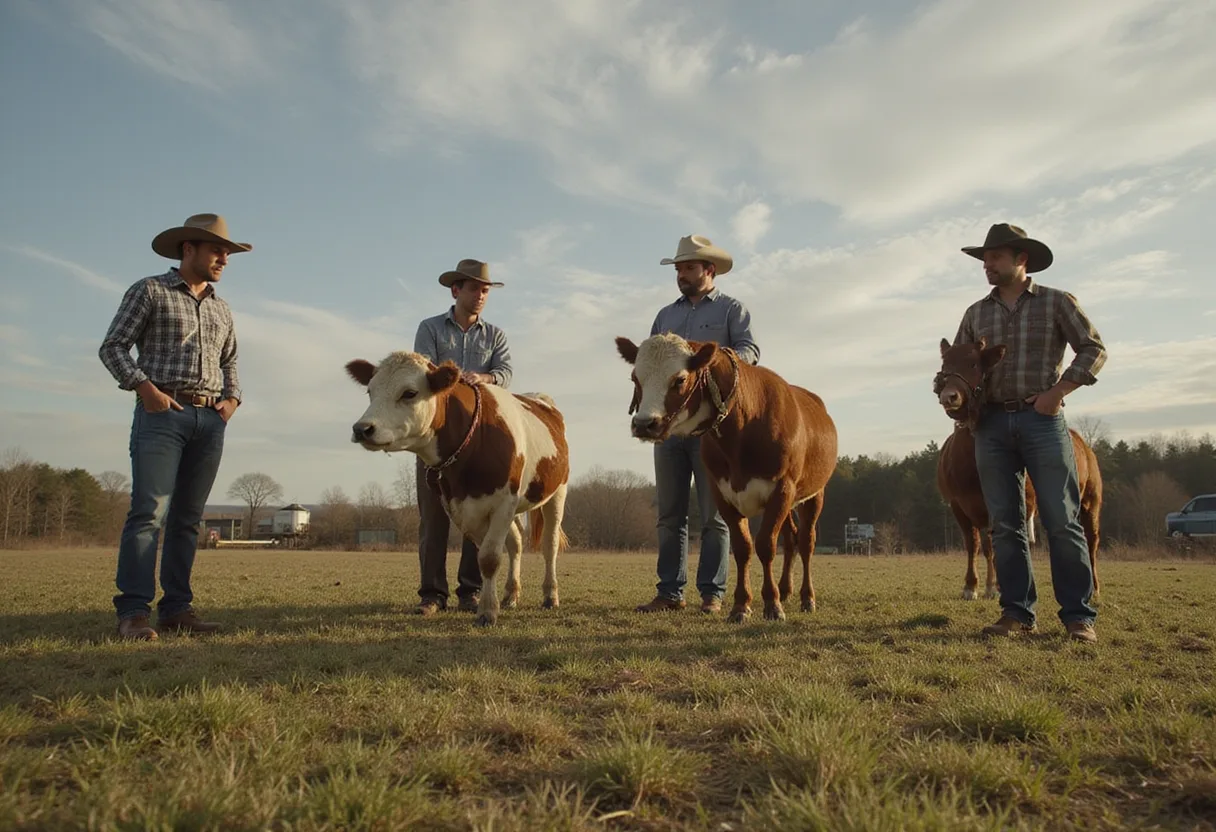
Kansas State University is advising producers to start weighing their 2026 enrollment options between the Agriculture Risk Coverage (ARC) and Price Loss Coverage (PLC) commodity programs, according to a recent item published by Grain Journal. The recommendation targets growers who must decide which safety-net pathway will anchor their risk management for the next marketing year.
The two programs, delivered through the U.S. Department of Agriculture's Farm Service Agency, have served as the primary Title I commodity support tools in successive farm bills. ARC delivers payments when a crop's actual revenue falls below a benchmark tied to county or farm yields, while PLC triggers payments when the national marketing-year average price drops below a statutory reference price set in legislation. Producers elect ARC or PLC on a crop-by-crop basis each enrollment window.
The 2026 crop year decision is consequential because payments under either program are calculated retroactively against realized prices and yields, leaving the election in place for the entire crop year. A misaligned choice in a year with weak prices or unfavorable yield spreads can translate directly into forgone per-acre support and, by extension, thinner operating margins when input costs for fertilizer, fuel and seed stay elevated.
What is at stake for 2026?
- ARC and PLC elections operate on base acres, not planted acres, so the decision mirrors historical cropping patterns on the farm.
- Payment triggers compare the marketing-year average price against the PLC reference price, not local cash bids.
- ARC-CO and ARC-IC differ in how the benchmark is built; coverage choice depends on yield correlation across crops.
- A two-way catch-up provision, where USDA may allow producers to switch elections in a later year under certain conditions, does not guarantee re-entry flexibility.
The extension guidance from KSU lands before USDA announces county yields and benchmark prices, which typically arrive in the fall following the relevant crop year. Farmers evaluating early benefit from projecting their own yield histories against likely price scenarios rather than waiting for published benchmarks. Cash-rent levels, crop insurance coverage and input cost exposure all feed into whether a per-acre revenue shortfall under ARC would exceed the simple price-gap protection of PLC.
Why the timing matters
Sign-up deadlines for ARC and PLC typically fall well before the end of the calendar year for the next crop year, and missed elections default to the existing program on file. KSU specialists flag this timing because extension meetings and farm management association workshops can take weeks to schedule across Kansas counties, and individualized decision tools from university economists require updated price and yield assumption files. Waiting until the final sign-up week leaves no room to run side-by-side scenarios, compare harvest-period futures with reference price triggers, or coordinate with crop insurance choices already in place for 2026.
Producers who have not updated yield histories with their local FSA office, or who have changed farm operators or tracts since the last enrollment, also face documentation lag that can complicate the election form.
What's next
Growers should contact their county FSA office to confirm base acres, PLC yields and prior election history before completing any new analysis. KSU's extension service and the university's Department of Agricultural Economics are expected to release updated decision-aid spreadsheets reflecting current futures and reference price data ahead of the sign-up window. Farmers who complete those tools in the late summer, before harvest pressure crowds out planning time, will have clearer side-by-side projections when the formal election period opens.
via Google News: Grain prices (Source)
More from Grace Kim
Show full bio
Correspondent covering people, launches and day-to-day practice in Agribusiness coverage for industry professionals at Agribusiness Wire.
453 articles
Also in the yard
- Farm Bill Decision Tool Guides Growers on ARC vs. PLC Choice
- Record ARC and PLC Payments Slated for End-of-Month Disbursement
- USDA Projects Record $13.8B in 2025 ARC and PLC Payments
- Farm bill deadline arrives; growers face subsidy, planning uncertainty
- USDA ARC and PLC Payments Hit Record $13.8 Billion