Lot No. LOT-7847 · offered September 28, 2026
Ag Finance & InvestmentLot sheet
Drought Shifts From Outlier to Baseline for Agriculture Investors
Drier conditions are becoming a structural feature of agriculture, and investors funding farms and supply chains must now underwrite drought as a baseline risk.
Market notes
- Drier conditions are increasingly treated as permanent rather than episodic in agriculture
- The analysis targets agri investors, urging them to build drought resilience into strategy
- Water access is shifting from a diligence footnote to a core factor in farmland valuation
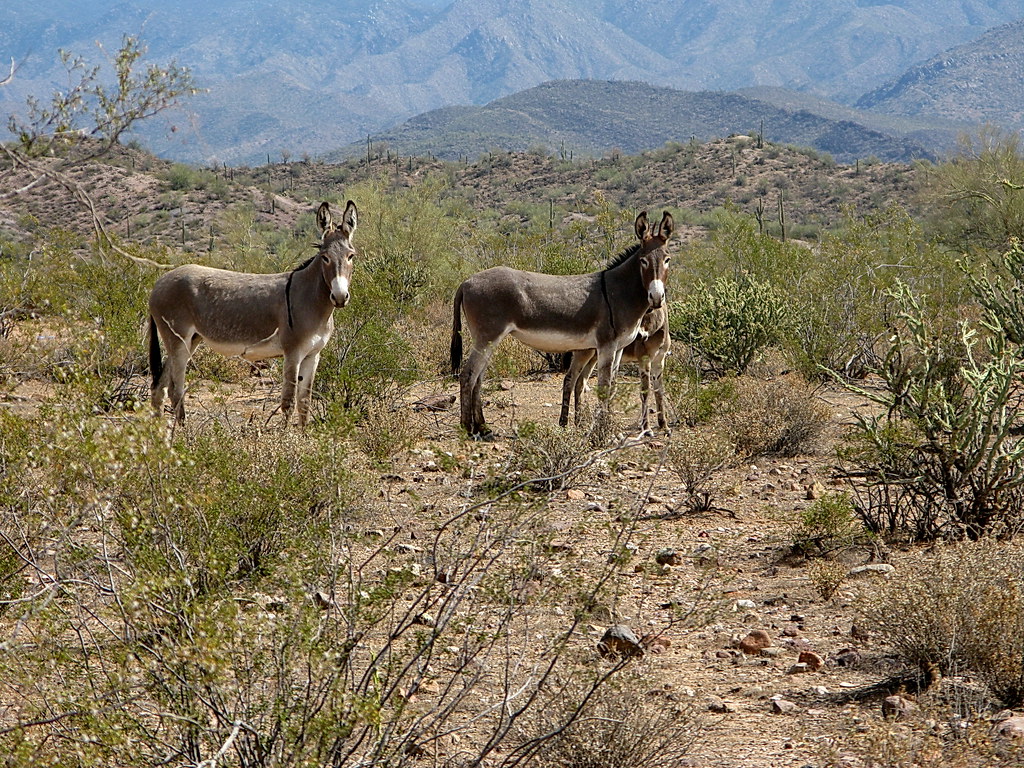
Drier conditions are no longer an episodic shock that growers and their financiers absorb in a bad season. They are becoming a structural feature of production, and the investors who fund farms, processing assets and input supply chains are now being asked to price that reality into underwriting.
That is the framing of a recent analysis on drought resilience, which argues that agricultural investors — not just farmers — must learn to live with persistent dryness rather than treat it as an anomaly to be ridden out.
For growers, the implication is straightforward and increasingly familiar. Water availability drives yield, yield drives revenue, and revenue drives debt service. When dryness recurs across consecutive seasons, the assumptions embedded in farmland valuations, lease structures and operating credit come under pressure. Lenders and farmland funds that modeled rainfall on historical averages face a mismatch between what the data says should happen and what the climate now delivers.
The investment side of the question extends beyond the field. Assets tied to irrigation equipment, seed genetics suited to water stress, soil-moisture monitoring and water rights all behave differently in a drier regime — and some of them behave better. A drought-adjusted portfolio is not simply a defensive one; it can be an explicit reallocation toward the tools and regions that retain productivity when rainfall becomes unreliable.
Geography matters here as much as technology. Production that once looked marginal in water-secure terms may gain standing, while acreage dependent on depleted aquifers or over-allocated river basins may lose it. Investors screening farmland acquisitions increasingly treat water access as a core diligence item rather than a footnote to soil quality.
Resilience, in this framing, is a two-sided exercise. On one side sits adaptation: selecting crops, varieties and management systems that hold output under moisture stress. On the other sits financial engineering: structuring debt, insurance and lease terms that can absorb a poor year without forcing a distressed sale of productive land. Growers who lack that second side often exit drought years with balance sheet damage that outlasts the weather itself.
The analysis stops short of prescribing specific instruments, and readers should note what it does not contain: no yield forecasts, no condition ratings, no harvested results, and no regional breakdowns. Its argument is directional rather than quantitative — a call to treat water scarcity as a permanent input in agricultural investment decisions rather than a cyclical risk to be discounted.
That distinction matters for how the message travels through the industry. A forecast can be checked against outcomes; a structural claim can only be tested over seasons, as portfolios built on wet-era assumptions either adapt or underperform.
What comes next, by the analysis's own logic, is a widening gap between actors who reprice water risk now and those who wait for the next dry cycle to force the adjustment.
via Agri Investor (Source)
More from Rebecca Stone
Show full bio
Market editor covering industry trends and analytics at Agribusiness Wire.
135 articles
Also in the yard
- Farmland Investors Eye Climate Risk as Core Asset Driver
- Roc Partners flags weather shocks as key risk for Australian farmland
- Drought, Heat and Localized Rains Squeeze Texas Summer Crops
- Compressed Margins and Trade Shifts Rewrite Farm Economics
- USDA Climate Hub Warns Harvest Delays Could Stretch Into Months