Lot No. LOT-8651 · offered November 13, 2026
Seeds, Crop Protection & FertilizerLot sheet
Bayer Plans Seven New Crop Protection Ingredients in Five Years
Bayer plans seven new crop protection ingredients in five years and a 2028 corn rootworm trait, as growers demand multi-year local proof before buying new seed lines.
Market notes
- Bayer Crop Science will introduce seven new crop protection ingredients to North America over the next five years.
- Bayer's latest-generation corn rootworm trait is being prepped for release in 2028.
- BASF is advancing the Nemasphere nematode resistance trait in soybeans.
- Bayer's Brian Naber calls this the strongest innovation cycle in his nearly 30-year agriculture career.
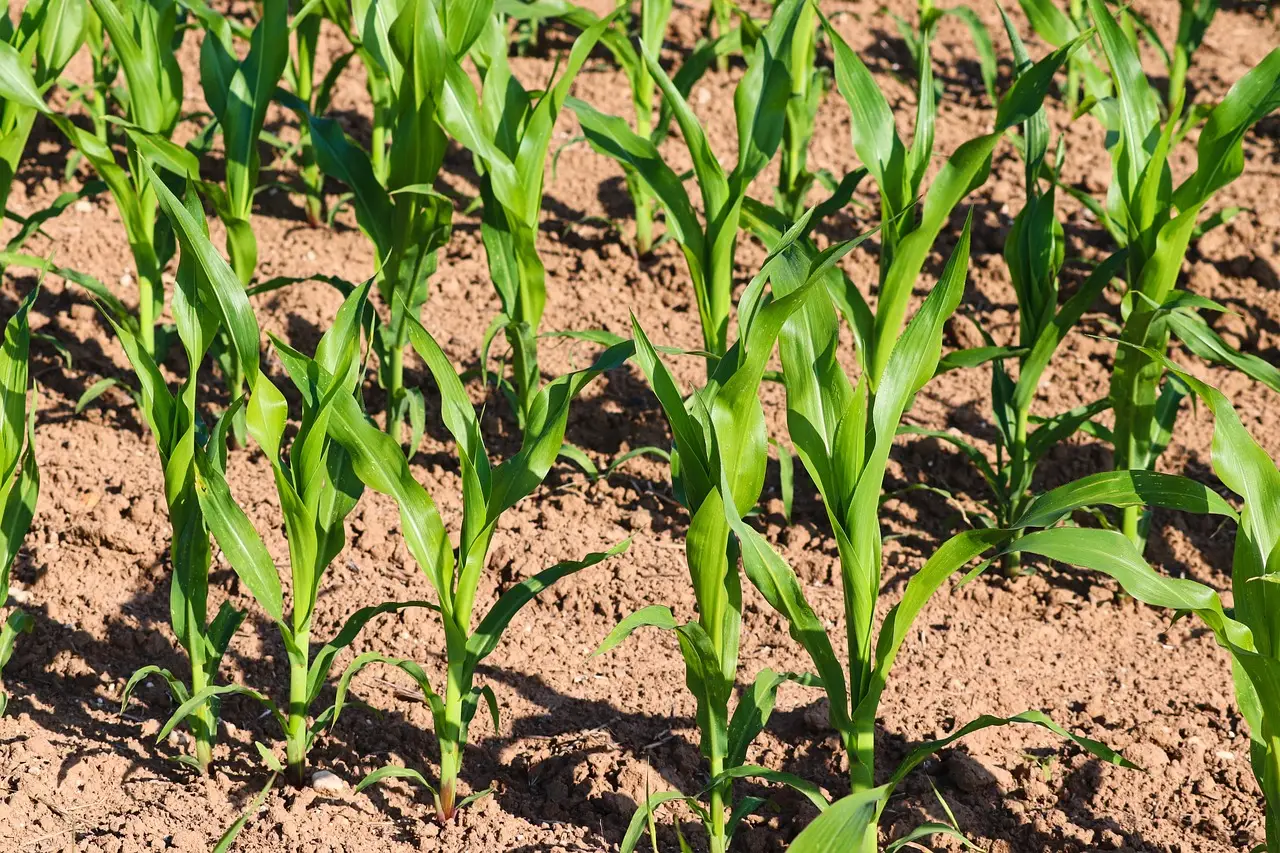
Bayer Crop Science will bring seven new crop protection ingredients to North America over the next five years, all aimed at yield potential and resilience to unpredictable climate conditions. The rollout anchors what one of its senior executives calls the strongest innovation cycle he has seen in nearly 30 years.
Growers emerging from several difficult seasons of the farm economy remain willing to pay for new seed lines. But the purchase now hinges on credible field evidence, not launch-day promises. Specific pests and diseases sit in the crosshairs of most new seed rollouts. Soybean cyst nematode, corn rootworm and other pathogens are being confronted with crops fortified against them. Researchers also gain new engineering tools daily for building resistance against emerging threats.
What is Bayer shipping?
Brian Naber, Head of North America and Australia/New Zealand for Bayer Crop Science, pointed to three developments: the company's smart corn system, the commercial introduction of Vyconic soybeans, and a latest-generation corn rootworm trait being prepped for release in 2028.
Naber framed the pipeline in blunt terms. He said: "I believe the future will favor innovation that is not only scientifically strong, but also practical to implement, and I have no doubt we're in the strongest innovation cycle I've seen over my nearly 30-year career in agriculture."
What does BASF bring to the row?
BASF reports advancements in herbicide tolerance and in disease and pest resistance in soybeans, including the Nemasphere nematode resistance trait. Bryan Perry, U.S. Head of Seeds and Traits for BASF, said growers have always pursued higher yields and profitability through innovation. In a hostile economic environment, however, skepticism holds until they see both data and real-world proof.
Perry said: "That's where the combinations of data and anecdotal experience become crucial. Growers want to see consistent performance across environments and multiple years, but local data carries a lot of weight. Trials at retail locations, university testing and on-farm evaluations give growers an opportunity to see how a new technology performs under conditions that look like their own."
The message is direct. Multi-year, multi-environment trial results, especially those run near a grower's own fields, now function as the currency of trust in seed sales.
How do trait demands differ by region?
Eric West, Product Advancement Manager for GROWMARK, said seed trait demand varies regionally with the threats crops face. "For example, corn growers in western areas may prioritize seed that provides protection against western bean cutworm, while those in southern areas may seek protection against corn earworm," West said.
West added that growers show no fear of novel product offerings once they are convinced the investment will pay off. Retail representatives, he argued, are the strongest link in building that confidence. "These representatives serve as trusted partners, advising growers on seed genetics/traits, fertility and crop protection products," he said. "Growers value a trusted advisor who understands their operation and delivers practical advice and solutions to help improve it."
What does this change for input budgets?
The pattern across Bayer, BASF and GROWMARK is consistent: innovation dollars flow toward trait-stacked seed and paired chemistry, while the burden of proof shifts to local, replicated, multi-year performance data. With Bayer's rootworm trait dated for 2028 and its seven ingredients arriving over five years, growers will weigh each launch against margins that leave little room for an unproven bag of seed.
via cropscience.bayer.us (Original)
More from Marcus Bennett
Show full bio
Senior reporter covering regulation, policy and their impact on Agribusiness coverage for industry professionals at Agribusiness Wire.
473 articles