Lot No. LOT-9781 · offered November 16, 2026
Crop EconomicsLot sheet
Texas Citrus Shipments Under Half of Last Year's Pace After Drought
Rio Grande Valley fresh citrus shipments totaled 80,445 cartons as of Oct. 24, down from 219,613 last year, as drought and 100-degree heat stalled fruit sizing despite a larger crop load.
Market notes
- Fresh citrus shipments through Oct. 24 totaled 80,445 40-pound cartons versus 219,613 last season.
- Texas Valley Citrus Committee projects grapefruit up 10% and early oranges up 50% versus last season.
- Wholesale orange prices reported at $38 per 40-pound carton amid national short supplies.
- Amistad Reservoir rose from about 30% to over 50% of capacity; Falcon Reservoir sits at about 20%.
- Virtually no rain fell in the Rio Grande Valley in June, July and August, with extended days above 100°F.
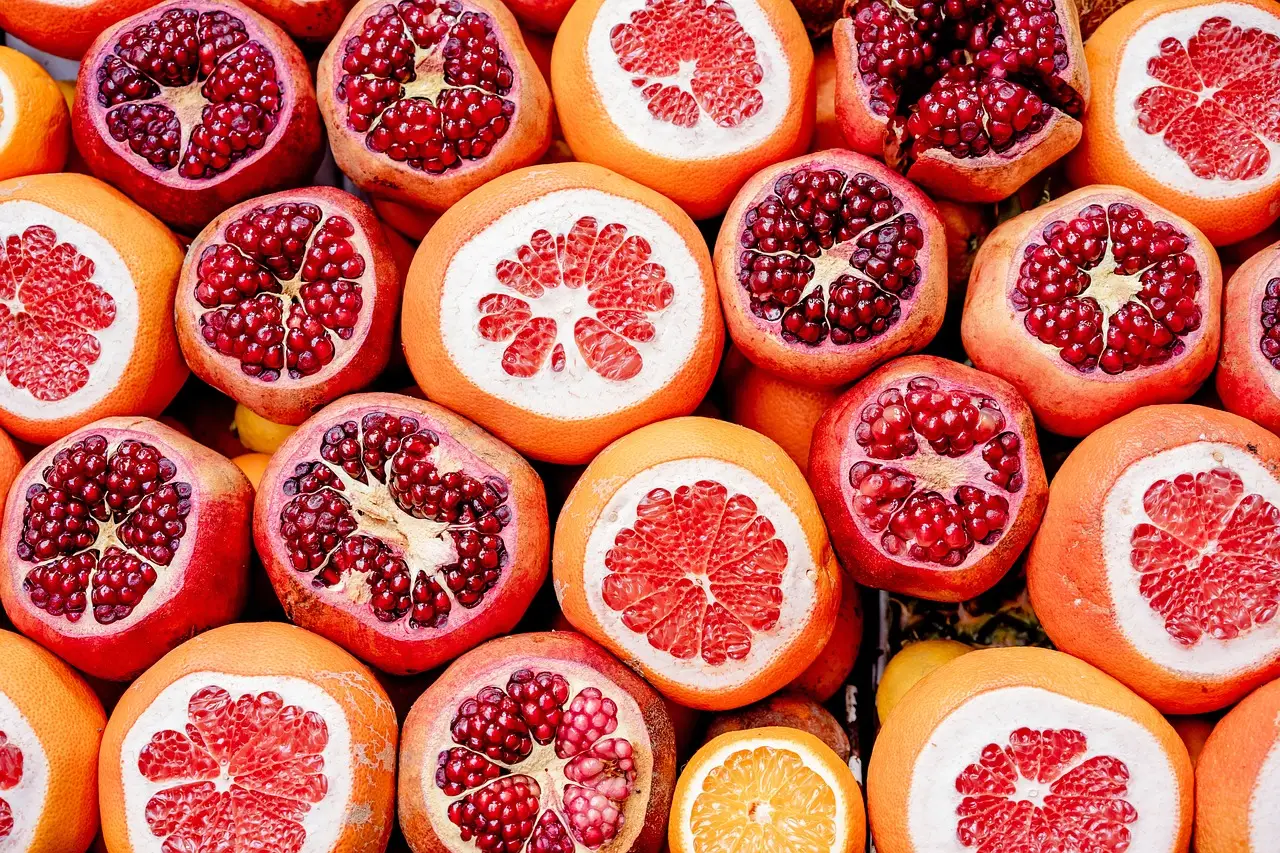
Rio Grande Valley growers had shipped 80,445 40-pound cartons of fresh citrus as of Oct. 24 — down from 219,613 cartons at the same point last season, a 63% drop driven by an exceptionally hot, dry summer that kept fruit from sizing up.
That figure, from Juan Anciso, vegetable specialist, professor and associate head of Texas A&M AgriLife Extension in the Department of Horticultural Sciences, covers grapefruit, early oranges and navel oranges bound for the fresh market. It excludes fruit going to juice. Grapefruit and early orange shipments are running at less than half of last year's pace in the 2026-27 season now underway.
"It's kind of complex, but I would say the primary culprit is the drought," Anciso said. "We were very dry this summer, so fruit sizes in oranges, even early oranges and of course grapefruits, haven't sized up."
The Rio Grande Valley recorded virtually no rain in June, July and August, with extended stretches of consecutive days above 100 degrees F. Meaningful rains did not arrive until September and October.
What does the crop forecast show?
The slow start masks a larger potential crop. Tree crop loads exceed last season's, and the Texas Valley Citrus Committee's first estimate projects:
- Grapefruit production about 10% above last season
- Early oranges about 50% higher
- Late oranges, including Valencias, roughly flat
"The crop loads look good, but the fruit on the trees just hasn't sized up," Anciso said.
Time remains for fruit to gain size. The Texas harvest typically runs from October into May and sometimes early June, depending on how much fruit stays on the trees.
Pest pressure has stayed light. Growers acted proactively and stayed ahead of citrus rust mite infestations, Anciso said. Melanose, a fungal disease, remains a problem, particularly in groves holding dead trees and storm debris left by Texas' deadly 2021 winter storm. The fungus lives and reproduces on dead wood; splashing rain moves it onto fruit, leaving blemishes that disqualify fruit from the fresh market. Blemished fruit can still go to juice.
Can high prices cover rising input costs?
Florida's decline from citrus greening has opened broader markets to Texas oranges, though the effect on grapefruit has been smaller, Anciso said. National orange short supplies have lifted prices. Anciso said he has heard of wholesale prices of $38 per 40-pound carton. Grapefruit prices are less firm on weaker demand, although Texas varieties such as Rio Red command consumer interest for their sweeter flavor.
Current price levels may not hold. Few orchards are being harvested now, and prices could slide as more groves come into production.
"With those kinds of prices, you should come out ahead," Anciso said. "But if those prices tend to slide, then that's where you start getting into situations that, depending on the yield and input costs, profits could be challenging."
Irrigation water remains a constraint for Valley growers. Fall rains improved the reservoirs that supply growers' water allotments. Inflows from the Pecos and Devils rivers lifted Amistad Reservoir from about 30% to more than 50% of capacity, Anciso said, while Falcon Reservoir sits at about 20%.
Much of the moisture from this season's Pacific hurricanes tracked into New Mexico, Arizona, Colorado and Utah rather than the Rio Grande watershed. El Niño rains expected this fall have mostly gone to the desert Southwest so far.
"There's no doubt Texas is still in the citrus business," Anciso said. "It's just been a tough run of seasons for growers."
How margins shake out will depend on whether fruit sizes up through the long harvest window and whether $38-carton pricing survives the arrival of heavier volumes.
via Farm Progress (Source)
More from Grace Kim
Show full bio
Correspondent covering people, launches and day-to-day practice in Agribusiness coverage for industry professionals at Agribusiness Wire.
523 articles
Also in the yard
- California Navel Orange Forecast Rises to 84 Million Cartons
- California Citrus Starts 3-4 Weeks Early at Kings River Packing
- Hurricane-Fed Rains Ease Plains Drought While Texas, Oklahoma Worsen
- Forecasters Say Developing El Nino Could Be Strongest Since 1950
- California Harvests Mostly Wrapped Before October Storms Hit