Lot No. LOT-3286 · offered November 10, 2026
Commodity MarketsLot sheet
Soybeans Drop $1 in Six Weeks as Record Brazil Exports Press Market
Soybean futures fell below $12 as a record-fast U.S. harvest met record Brazilian exports of 114.46 MMT. Analysts urge growers to set 2026 price targets now.
Market notes
- November soybean futures dropped more than $1 in six weeks, below $12 per bushel, a two-month low.
- USDA Crop Progress put harvest at 88% complete, 4 points ahead of the five-year average.
- Brazil shipped a record 114.46 MMT of soybeans in the 2025-26 marketing year.
- USDA projects Brazil's 2026-27 crop at 186 MMT; Conab sees roughly 1% growth or less.
- China now accounts for more than half of U.S. soybean export commitments.
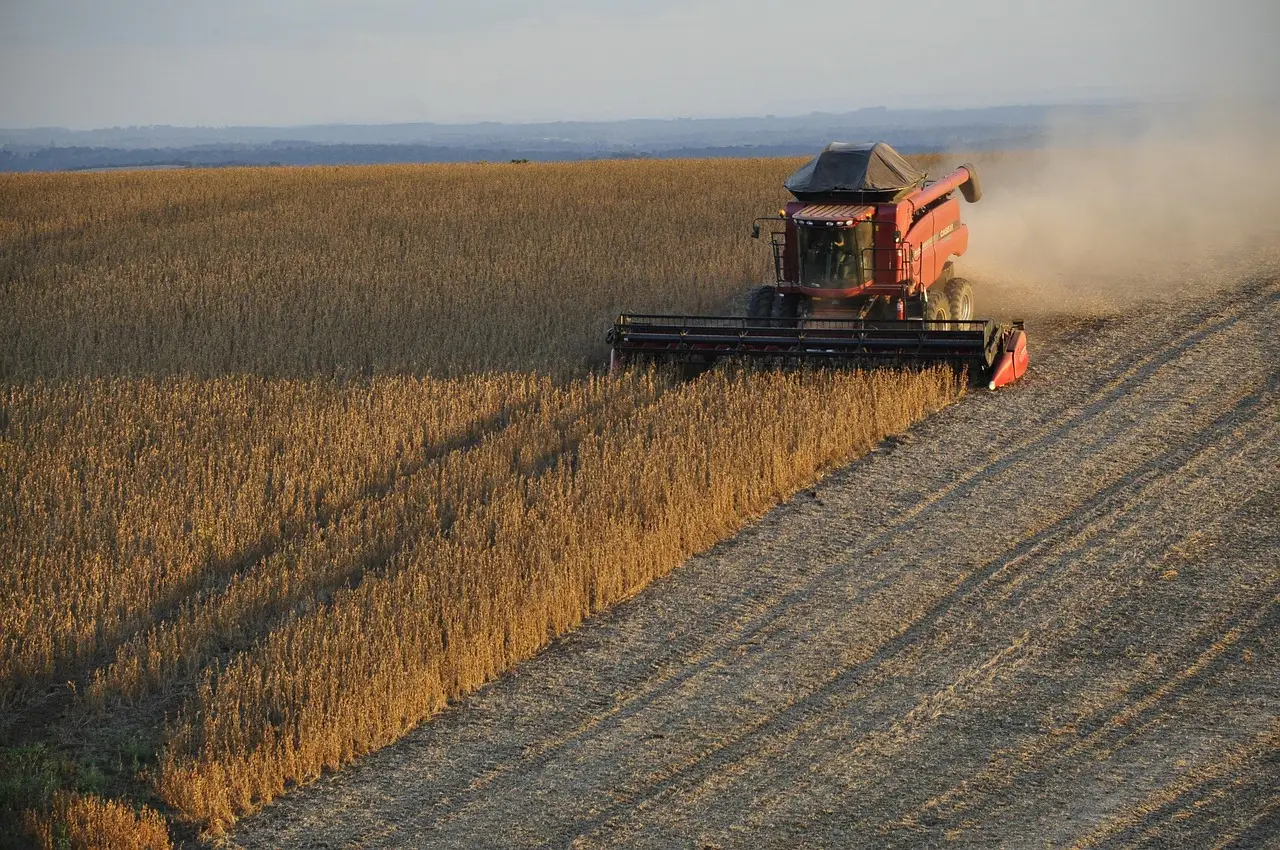
November soybean futures have fallen more than $1 per bushel in six weeks, sliding below $12 to a two-month low after the fastest U.S. harvest pace in years and record export competition from Brazil. For producers holding unsold 2026 bushels, the message from Advance Trading analysts is blunt: set price targets now, because the market has already shown how fast it can fall.
How the rally was built
The slide reverses a rally that carried prices to their best level in nearly three years. In mid-June, the November contract dipped below $11.25. By July it had bounced above $12.50.
Three forces drove the climb:
- Traders were uncertain about the size of the 2026 U.S. crop.
- Domestic crush ran at a historically strong pace.
- The market hoped China would step in with large purchases.
After a pullback into mid-August, November futures surged above $13.30 by mid-September. Managed money bought aggressively and reached an all-time high net long position by early September, then began cashing out at the start of harvest, adding downward pressure of its own.
What changed during harvest?
USDA Crop Progress reports show farmers harvested 54% of the soybean crop between Sept. 27 and Oct. 18, against a five-year average of 44% for that stretch. The latest report put harvest at 88% complete, up 9 points in one week and 4 points ahead of the 84% average. Kansas trails at 72%, six points behind average; Nebraska sits at 84%, four points behind.
The crop may also be larger than USDA's October estimate of 53.1 bushels per acre. Some analysts suggest the final yield could land almost 2 bushels higher. More bushels mean more beans looking for a home, and producers selling off the combine added direct hedge pressure to the board.
Brazil keeps the ships moving
Brazil harvested its largest soybean crop ever this year. Conab, the national crop agency, puts it at 180.4 million metric tons; USDA says 180.5 MMT — about 6.63 billion bushels against a U.S. estimate of 4.56 billion.
The growth is stark. In 2010-11, Brazil grew 75 MMT and exported 30 MMT. Since then exports have nearly quadrupled, with September shipments hitting a record 7.36 MMT and October-September marketing-year exports reaching a record 114.46 MMT. For 2026-27, USDA projects record production of 186 MMT and record exports of 118 MMT.
Is China's buying shifting?
China remains Brazil's largest customer, taking a record 82.8 MMT in 2025-26. Yet its 72.3% share of Brazilian exports is the lowest in three years; in September it took 72% of shipments, down from 92% a year earlier.
Two implications follow. Brazil set shipment records to the European Union, the Middle East, Africa and other parts of Asia and Oceania — markets U.S. farmers also count on. And China returned to the U.S. market in force: mid-October weekly export sales hit their highest level since November 2023, led by China, which now accounts for more than half of all U.S. soybean export commitments.
What does Brazil's next crop mean for prices?
The 2026-27 Brazilian crop is planting fast. As of Oct. 30, Conab pegged progress at 54.3% nationwide, up from 42.8% a week earlier, 47.7% last year and a five-year average of 51.8%. Mato Grosso, the top soybean state, is nearly finished.
The agencies diverge on size. USDA expects roughly 3% growth from this year; Conab sees less than 1%. The 4.4 MMT gap equals about 160 million bushels, or 3.5% of the entire U.S. crop. Both project exports near a record 118 MMT.
Weather adds the final unknown. El Niño patterns have historically turned northern Brazil drier and southern areas wetter, and every season differs. Trouble in South America could rally prices; a benign season could deliver another Brazilian record and deepen the pressure on U.S. margins.
That is the practical case for acting now: know your break-even, set targets for unsold bushels and be ready to sell rallies rather than hope for them.
via Farm Progress (Source)
More from Marcus Bennett
Show full bio
Senior reporter covering regulation, policy and their impact on Agribusiness coverage for industry professionals at Agribusiness Wire.
450 articles
Also in the yard
- Rain and Fund Exodus Crash Grain Prices in June
- Grain Markets Waver as Trump-Xi Summit Yields No New Ag Commitments
- Soybean Futures Stall in September as China Tariff Stays
- Soybean Stocks at 315 Million Bushels Tighten Market Ahead of October WASDE
- USDA Corn Yield Surprise Sinks Futures 30 Cents to 8-Week Low