Lot No. LOT-6256 · offered October 16, 2026
Crop EconomicsLot sheet
Soybean Watch: April Planting Delivers Record Yields
Record-breaking soybean yields across the region validate April planting dates, with timely late-season rains filling pods and boosting margins without added input cost.
Market notes
- Soybean Watch reports record-breaking yields across the region this season
- April planting dates are credited as a primary yield driver
- Timely late-season rains filled pods during key reproductive stages
- Yield gains landed without added input cost, boosting per-acre margins
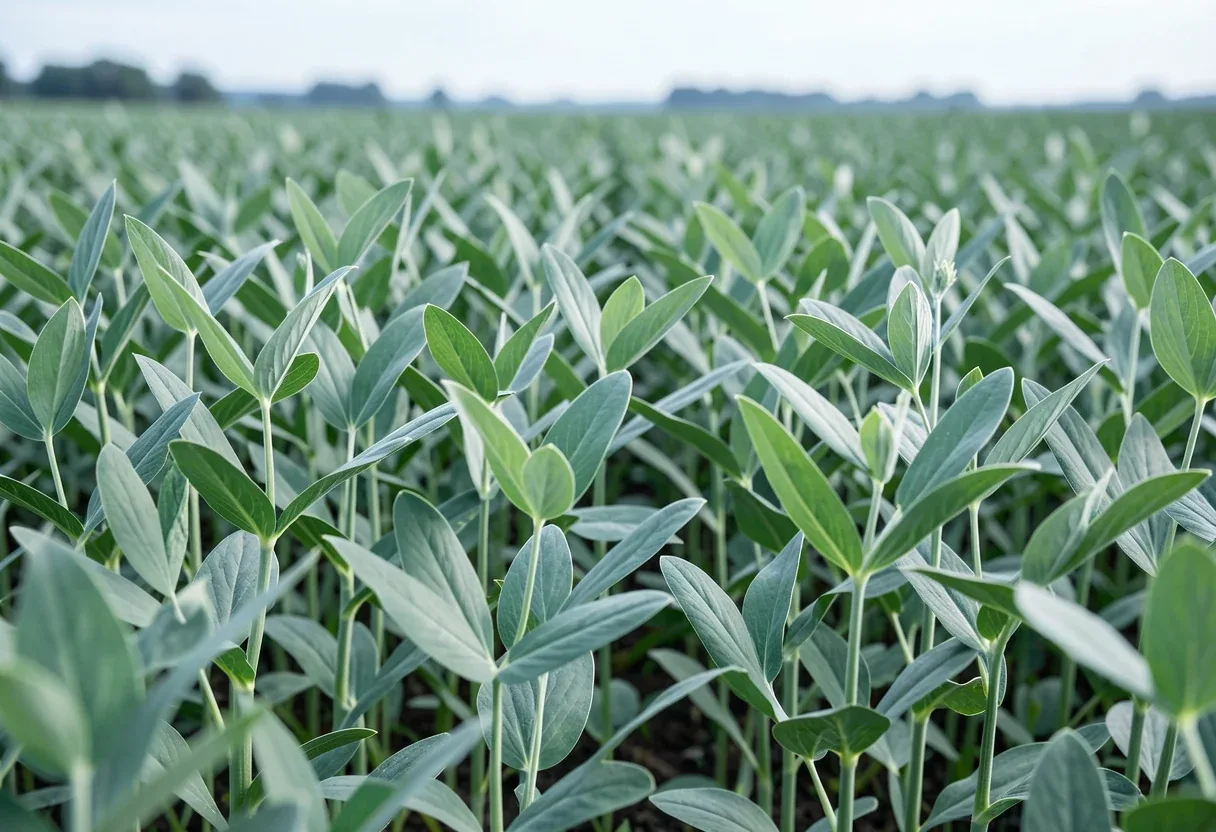
Record-breaking soybean yields across the region are the headline of this season's Soybean Watch harvest reports, and the data points to two drivers: April planting dates and timely late-season rains.
That's the short version. Growers who put seed in the ground in April — before the conventional late-May window many operators still default to — are the ones posting the biggest numbers at the scale. The yield bump isn't marginal. It's record-level.
What does early planting actually change?
Agronomically, it's about canopy and sunlight. April-planted soybeans close rows earlier, capture more solar radiation during the longest days of the growing season, and set more nodes before flowering. More nodes mean more pods. More pods mean more bushels.
The payoff shows up where it matters: on the settlement sheet. A yield jump from early planting goes straight to gross revenue per acre, and it lands without a corresponding jump in input costs. The same seed, the same fertility program, the same pass schedule — just a different date on the planter. That's the rare margin improvement that doesn't require writing a bigger check first.
Rain timing carried the crop
Planting date alone didn't finish the job. The Soybean Watch reports credit timely late-season rains with filling pods during the reproductive stages that decide final yield. Early planting builds the factory; late moisture runs it at capacity.
That combination matters for anyone reading this season as a repeatable playbook. April planting is a decision growers control. Rain in August and September is not. The record results reflect both, and operators planning for next season should weigh them separately when they set expectations.
What does this change for planting plans?
Practically, it puts pressure on the calendar. If April planting keeps validating at this scale, the operational question shifts from whether to plant early to how — seed treatment to protect against cool-soil pathogens, planter capacity to cover acres in a tighter window, and soil conditions dry enough to support equipment without creating compaction that costs yield later.
Seed suppliers and equipment dealers will feel the pull too. Demand for treated seed suited to cold soils, and for larger planters or split planting programs, tends to follow yield data like this. Growers who waited on the data now have another season of it.
The caveat: these are harvest results, not a forecast. Record yields in one region, in one season, with one weather pattern, prove the ceiling — not the average. Next year's April may be wetter, colder, or both.
Still, the Soybean Watch pattern is getting harder to dismiss. Early planting plus late rain equals record beans. Next season will show how much of that equation growers can lock in before a drop of rain falls.
via Farm Progress (Source)
More from Nathan Brooks
Show full bio
Staff writer covering regulation, policy and their impact on Agribusiness coverage for industry professionals at Agribusiness Wire.
468 articles
Also in the yard
- US soybean harvest trails 33% norm at 25%; wheat gains, Black Sea watched
- USDA: Corn Harvest Hits 18%, Matching Five-Year Average Pace
- Minnesota Soybean Harvest at 14%, Trails Five-Year Average of 23%
- Soybeans, Corn Close Lower as Warmer, Drier Week Aids Harvest
- Bullish Domestic Outlook Pushes Soybean Farmers Toward Bigger Acres