Lot No. LOT-8736 · offered October 13, 2026
Farm MachineryLot sheet
Smart, sustainable farm equipment reshape input decisions
Connected machinery and lower-emission powertrains have moved from pilot projects to standard option lists, rewriting the per-acre math on input cost and resale value for row-crop and livestock operators.
Market notes
- Connected, lower-emission machinery has moved from pilot projects to standard option lists on new tractors, sprayers and combines, per Machinery Market's latest sector coverage.
- Modern sprayers with pulse-width modulation and section control can reduce overlap at headland turns, cutting per-acre active-ingredient load applied to soil and water.
- Retrofit payback for precision hardware has fallen under three years for many mid-size operations, a threshold dealers now use to justify the upgrade on a quote sheet.
- Equipment manufacturers face emissions compliance under U.S. Tier 5 and European Stage VI engine standards, narrowing the price gap between diesel and electrified platforms.
- Resale value increasingly follows the data package; a 2019 tractor without a documented data history trades at a steeper discount than the same mechanical package with five years of clean telematics records.
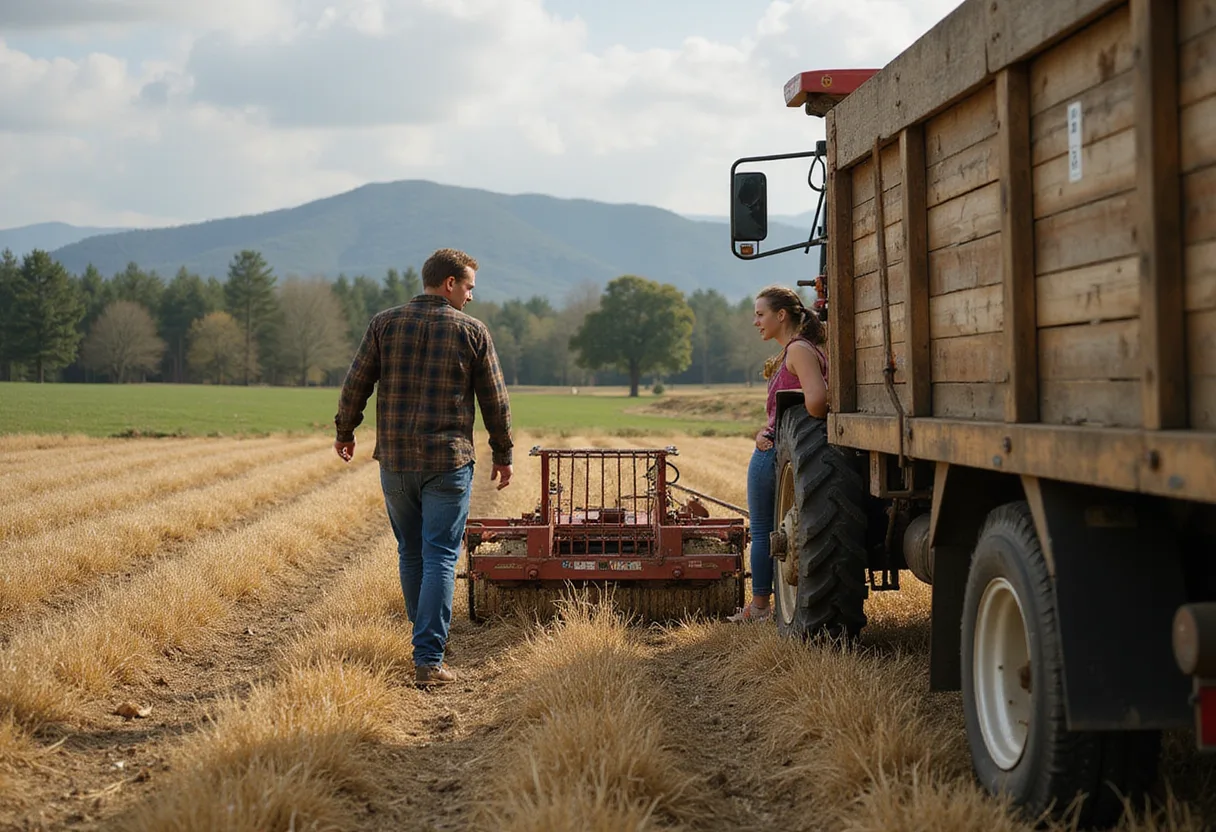
Farm equipment makers have moved connected, lower-emission machinery from pilot projects to standard option lists, and Machinery Market's latest sector coverage of farm equipment suppliers maps the pace of that shift for the row-crop and livestock operations weighing capital purchases this season.
The change touches two layers of the farm balance sheet. On the input side, equipment embedded with precision agriculture hardware — GPS steering, variable-rate application controllers, telematics (remote data transmission from machines) modems and yield-mapping sensors — changes the per-acre cost of seed, fertilizer and crop protection. The mechanism is the tightening of the gap between what is applied and what the crop can use.
On the capex side, the move from diesel-only powertrains to electric, hybrid and bio-diesel-capable platforms changes the depreciation schedule, the fuel line and the maintenance reserve that growers set aside each year.
What does "smart" actually change on the farm?
Smart in this context means machines that observe, decide and document. A modern sprayer with pulse-width modulation (nozzle-by-nozzle flow control that holds droplet size constant across a speed range) and section control can reduce overlap at headland turns. A planter with electric-drive row units can adjust population on the move from a prescription map loaded in the cab.
Neither feature is new in 2026, but the cost of retrofitting older iron has fallen enough that the payback horizon is under three years for many mid-size operations — a threshold dealers use to justify the upgrade on a quote sheet.
The sustainability argument travels on a parallel track. Tighter overlap cuts active ingredient applied, lowering the per-acre load reaching soil and water. Documented application records, captured automatically, feed the sustainability programs that grain buyers and food processors now use to differentiate contracted bushels.
Why is the sustainability piece gaining weight?
Three external pressures are converging. The carbon-intensity scoring embedded in programs such as the U.S. Department of Agriculture's biofuel feedstock reporting and the European Union's Corporate Sustainability Reporting Directive (CSRD, a rule requiring large companies to publish standardized climate and supply-chain data) translates equipment choice into a number on a balance sheet.
Equipment manufacturers face their own emissions compliance under Tier 5 standards in the United States and Stage VI in Europe, raising the unit cost of diesel-only platforms and narrowing the price gap to electrified alternatives.
The dealer network is being asked to handle high-voltage components, which requires new training and shop infrastructure, and that cost flows back into service contracts.
What does the operator see at the dealership?
Quoted prices on a 300-horsepower row-crop tractor now routinely include a four-figure telematics subscription and an ISOBUS-compatible display (a standardized data bus letting implements from different makers share one in-cab terminal). A receiver package ties the machine into a cloud account accessible to the grower, the agronomist and, with permission, the manufacturer's support desk.
Resale value increasingly follows the data package as much as the engine hours. A 2019 tractor without a documented data history trades at a steeper discount than the same mechanical package with five years of clean telematics records.
The financial trade-off for a grower choosing between a conventional purchase and a higher-optioned machine is no longer just horsepower per dollar. It is the expected value of the data, the optionality of the powertrain if fuel or carbon prices move, and the access to sustainability-program premiums that the data unlocks.
What to watch next
The next reporting window is the spring equipment-finance survey from the major ag lenders. It will show whether higher option content is being financed or whether growers strip quotes back to mechanical basics under current margin pressure.
A flat financing volume with rising average ticket size confirms the smart-sustainable thesis. A flat ticket with rising volume suggests dealers are discounting option content to move iron.
via Google News: Farm equipment (Source)
More from Rebecca Stone
Show full bio
Market editor covering people, launches and day-to-day practice in Agribusiness coverage for industry professionals at Agribusiness Wire.
430 articles
Also in the yard
- Smart Farming Tools Cut Water Use and Lift Crop Quality, Report Says
- Precision Agriculture Is Fueling Demand for Farm Service Technicians
- CNH Farmer Pulse: Precision Technology Now Essential for Growers
- AI Moves From Showcase to Dealer Lot in Farm Equipment
- USDA Moves to Build Digital Infrastructure for Precision Ag