Lot No. LOT-3963 · offered October 9, 2026
Agricultural PolicyLot sheet
Senate Agriculture Committee Reports Farm Bill in Markup
The Senate Agriculture Committee cleared a Farm Bill in markup, per Greenhouse Management. Available reporting did not include a vote count, bill print number, CBO cost score, or committee-leadership statements.
Market notes
- The Senate Agriculture Committee voted to report a Farm Bill in markup, per a Greenhouse Management headline distributed via Google News.
- Available reporting does not include a vote count, roll-call breakdown, or party-line margin.
- No Congressional Budget Office ten-year cost estimate accompanied the announcement.
- Bill text, chair's mark, and adopted manager's amendments had not been posted at the time of the circulating headline.
- The committee typically files the section-by-section summary within weeks of completing a Farm Bill markup.
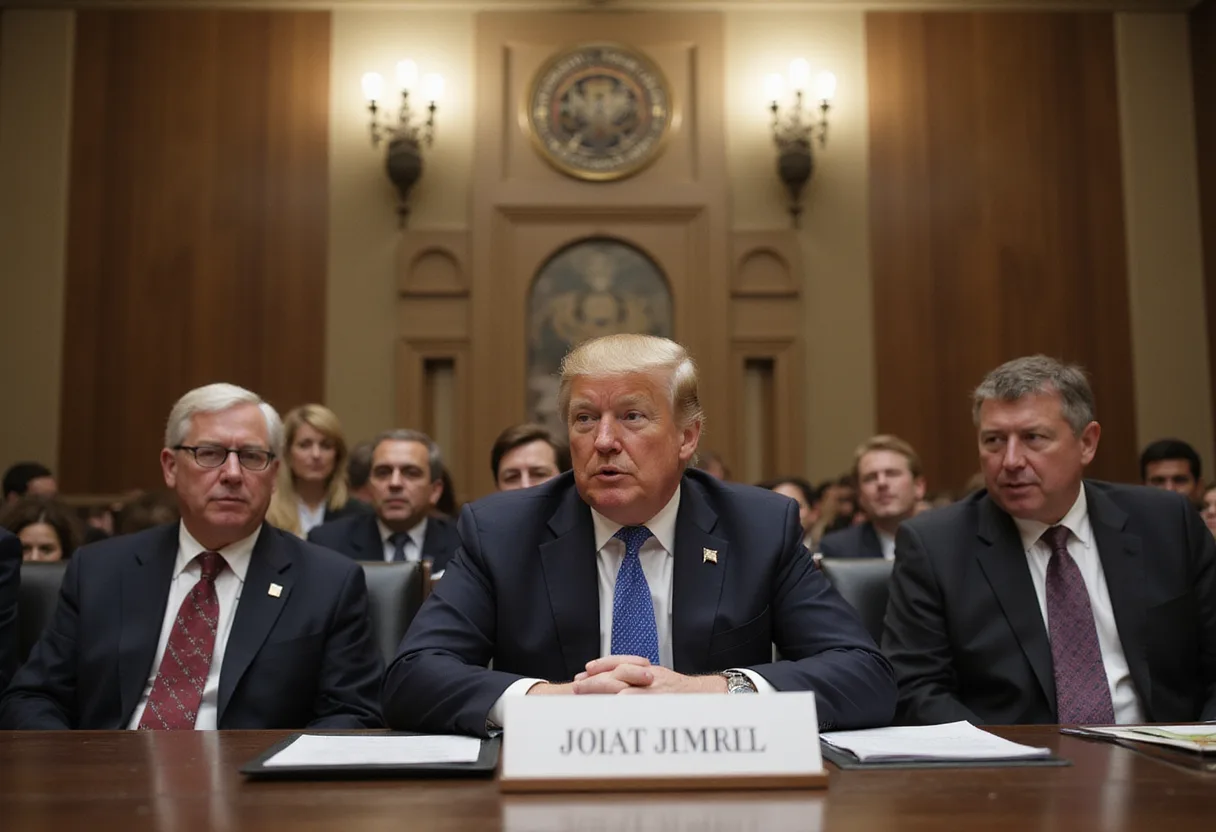
The Senate Agriculture Committee has cleared a Farm Bill in markup, Greenhouse Management reported in a brief headline distributed through Google News. The headline is the entirety of the available text; the publication attached no vote count, no bill print number, no Congressional Budget Office score, and no statements from committee leadership.
What did the Senate Agriculture Committee actually approve?
A majority of committee members voted to report a Farm Bill favorably to the Senate. That is the only verifiable fact in the circulating reporting. Committee markups end with a voice vote or a roll-call vote on a motion to report, and the margin shapes expectations for floor action and any conference with the House.
What the available reporting does not establish
- The bill's short title and print number.
- The roll-call breakdown by party.
- The Congressional Budget Office ten-year cost score.
- Reference-price updates under Price Loss Coverage and Agricultural Risk Coverage.
- The treatment of the Supplemental Nutrition Assistance Program and Thrifty Food Plan.
- Conservation Reserve Program acreage caps and Conservation Stewardship Program funding.
Those are the data points growers, cooperatives, and input suppliers need to model Title I payment triggers, basis exposure, and conservation cost-share income. They become available when the committee posts the bill text, the chair's mark, and any adopted manager's amendments, which typically happens within 48 hours of a markup.
Why Greenhouse Management is tracking the markup
Greenhouse Management covers floriculture, nursery, and controlled-environment agriculture, sectors that rely on Title X of the Farm Bill. That title funds specialty-crop research, plant pest and disease programs, and the IR-4 Project through USDA's Agricultural Research Service and land-grant universities. Greenhouse operators also watch the nursery crop insurance pilot and the Specialty Crop Block Grant Program for changes that affect premium subsidies and state marketing investments.
The committee's broader jurisdiction includes commodity programs for corn, soybeans, wheat, cotton, rice, peanuts, and minor oilseeds (Title I), working-lands and easement conservation (Title II), trade promotion (Title III), nutrition assistance (Title IV), rural development (Title VI), and research extension (Title VII). Nutrition has historically accounted for the single largest spending block, which is why Farm Bill markups frequently draw bipartisan floor amendments on SNAP eligibility and benefit calculations.
What growers and cooperatives need next
The chair's section-by-section summary is the document growers will read first. It carries the policy intent behind each title and the funding assumptions CBO used for the score. Producer coalitions typically issue side-by-side comparisons within days of that filing, and those documents govern the political conversation on the Senate floor.
One fact the available reporting establishes: the Senate Agriculture Committee has reported a Farm Bill. The substantive numbers — Title I payment triggers, Conservation Reserve Program acreage caps, crop-insurance subsidy rates, and nutrition spending — sit inside the committee report that has yet to be filed.
via Google News: Farm bill and ag policy (Source)
More from Nathan Brooks
Show full bio
Staff writer covering regulation, policy and their impact on Agribusiness coverage for industry professionals at Agribusiness Wire.
468 articles