Lot No. LOT-5077 · offered October 15, 2026
Agricultural PolicyLot sheet
Senate Ag Chair Boozman Plans September Farm Bill Vote
Senator John Boozman of Arkansas plans a Senate Agriculture Committee vote on a new farm bill in September. The 2018 Farm Bill expired on September 30, 2023, and Congress extended the statute through fiscal 2024.
Market notes
- Senator Boozman plans a Senate Agriculture Committee vote on a new farm bill in September
- The 2018 Farm Bill expired on September 30, 2023
- Congress extended the existing statute through fiscal year 2024
- The House Agriculture Committee cleared its version of the farm bill in May 2024
- The four major farm bill titles carry combined mandatory spending exceeding $1.4 trillion over five years
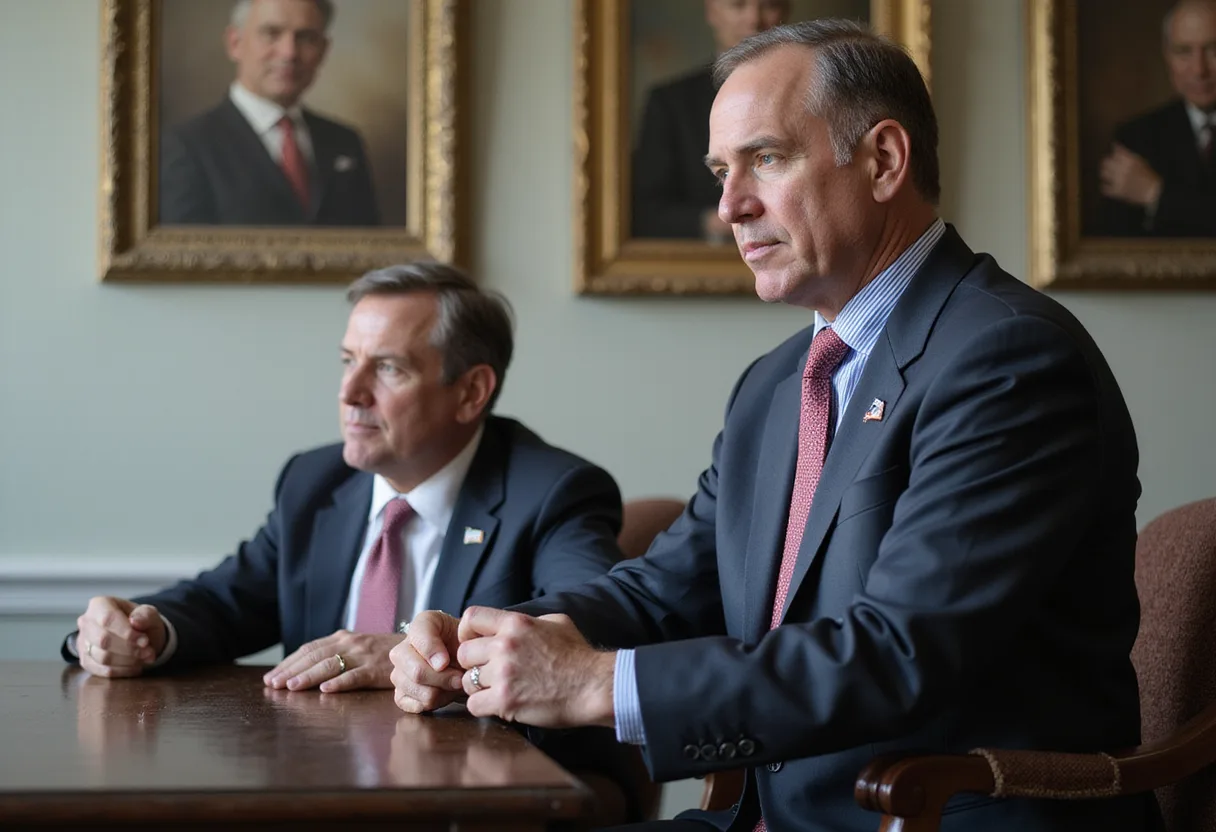
Senator John Boozman of Arkansas plans to bring a new farm bill to a Senate Agriculture Committee vote in September, the Texas Farm Bureau reported, ending months of uncertainty over legislation that has trailed its five-year renewal cycle by more than a year.
Boozman chairs the Senate Agriculture Committee. The Arkansas Republican oversees the panel that writes crop insurance, commodity supports, conservation programs, and nutrition assistance, four titles whose combined mandatory spending exceeds $1.4 trillion across the standard five-year window.
The 2018 Farm Bill expired on September 30, 2023. Congress extended the existing statute through fiscal year 2024 to prevent reversion to 1949 permanent law and to buy time for a successor measure. The extension preserved baseline funding without updating reference prices, expanding crop insurance options, or adjusting to current input costs.
What does the September timeline change for growers?
A committee vote moves the bill one step closer to floor consideration and eventual conference with the House. It signals that Senate leadership intends to complete the package before the November elections rather than defer to a lame-duck session.
Producers face another planting season under the extended 2018 statute. Reference prices under Title I commodity programs remain anchored to cost relationships established in the 2014 baseline, a gap that has widened as fertilizer, fuel, and seed expenses have moved sharply higher over the past decade.
The House Agriculture Committee cleared its version of the farm bill in May 2024. The Senate has not yet released draft text. Key unresolved differences include:
- Nutrition funding and work requirements
- Crop insurance subsidy levels
- Conservation program allocations
- Climate and EQIP spending
Who has the most at stake?
Southern cotton, peanut, and rice producers depend most heavily on Title I commodity payments. Northern corn and soybean operations lean more on revenue protection policies and conservation incentives. The regional split has slowed negotiations in prior farm bill cycles.
Producer groups that have pressed for action since expiration include:
- American Farm Bureau Federation
- National Farmers Union
- National Corn Growers Association
- American Soybean Association
- USA Rice
- National Cotton Council
Each organization has called for higher reference prices, expanded crop insurance products, and stronger standing disaster relief, common demands that mask sharp regional disagreements over how to allocate any new baseline spending across the four titles.
What happens if the September vote slips?
A missed markup increases the likelihood of another short-term extension. Congress passed a one-year bridge in late 2023 to prevent reversion to permanent law. A second extension would push final passage into 2025 and leave producers planting a third season under outdated safety nets.
Lenders reviewing operating loans would see continued uncertainty over payment limits and adjusted gross income caps that govern program eligibility. Input suppliers and cooperatives planning capital expenditures would face the same delay.
Boozman's September target now functions as a deadline. The committee will vote in September on whatever package he can assemble by then. Draft text typically appears in August, ahead of committee consideration, a window that gives rank-and-file members roughly six weeks to file amendments before the markup.
The full Senate vote, House conference, and presidential signature remain separate steps. Each carries delay risk in an election year. The September markup places the first commitment on the calendar.
via Google News: Farm bill and ag policy (Source)
More from Marcus Bennett
Show full bio
Senior reporter covering regulation, policy and their impact on Agribusiness coverage for industry professionals at Agribusiness Wire.
408 articles