Lot No. LOT-7487 · offered September 29, 2026
Agricultural PolicyLot sheet
Schumer Proposes National Fertilizer Reserve as Prices Jump
Senator Chuck Schumer has unveiled a first-ever plan for a national fertilizer reserve to shield American farmers from price shocks as the Iran conflict drives input costs higher.
Market notes
- Senator Chuck Schumer unveiled a first-ever plan to create a national fertilizer reserve
- The proposal responds to fertilizer price spikes the senator links to the US conflict with Iran
- The plan aims to protect American farmers from input price shocks during geopolitical crises
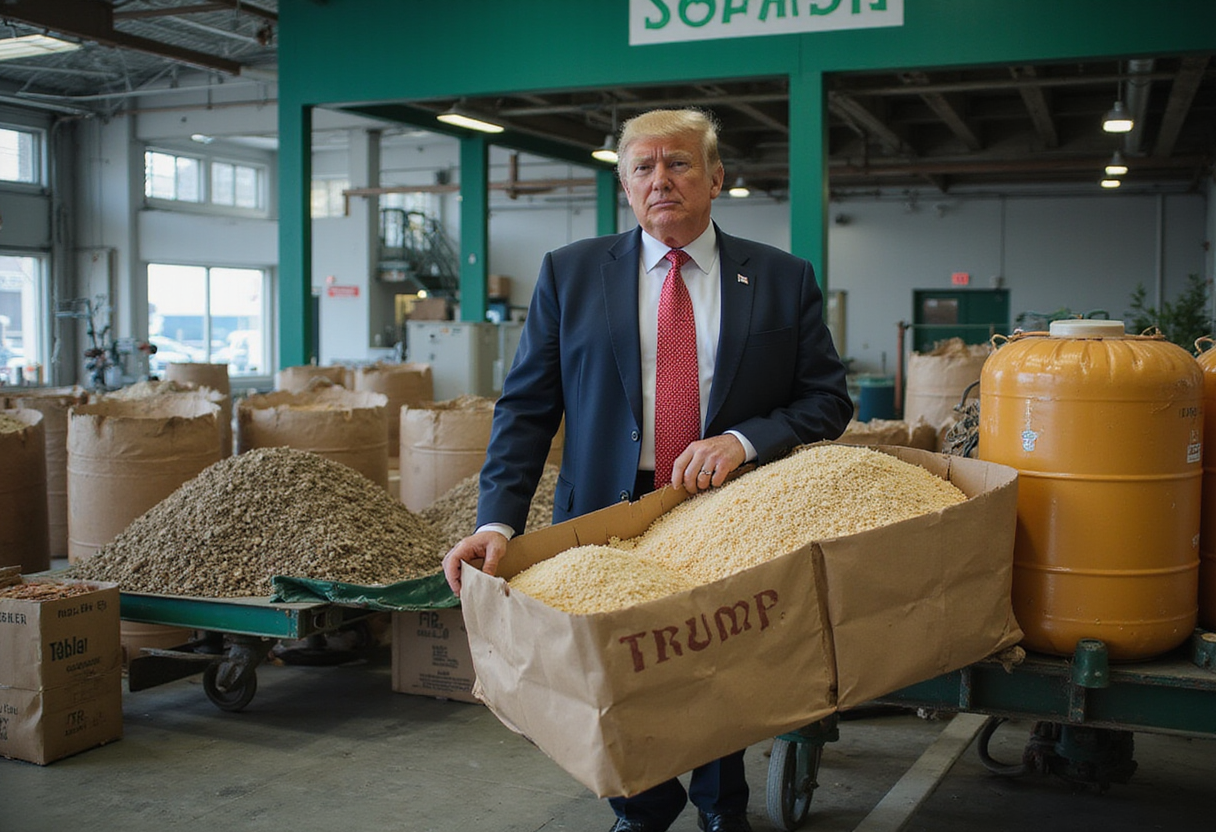
Senate Majority Leader Chuck Schumer has unveiled what he describes as the first-ever plan to create a national fertilizer reserve, positioning the proposal as protection for American farmers against input price shocks tied to the conflict between the United States and Iran.
The New York Democrat's announcement comes as fertilizer prices climb, a trend the senator's office links directly to the military confrontation with Iran and the threat it poses to global energy and nutrient supply chains. Nitrogen fertilizers rely heavily on natural gas as a feedstock, and phosphate and potash shipments move through export chokepoints that traders watch closely during Middle East conflicts.
For row-crop growers, the timing compounds an already difficult input-cost picture. Fertilizer typically ranks among the largest variable expenses for corn and wheat producers, and sharp price spikes squeeze operating margins even when commodity prices hold steady. The 2021–2022 price surge, driven by pandemic-era supply disruptions and Russia's invasion of Ukraine, pushed some nitrogen products to record highs and left farmers facing sticker shock at the co-op counter each spring.
Schumer's proposed national fertilizer reserve would function, in concept, as a strategic stockpile — a mechanism the federal government already uses for petroleum through the Strategic Petroleum Reserve and for grain through the Bill Emerson Humanitarian Trust. Details released so far do not specify which nutrients the reserve would hold, its target size, or the funding mechanism, but the core idea is to buffer American agriculture against sudden supply interruptions and price spikes during geopolitical crises.
The plan also includes measures aimed at protecting farmers from price shocks more broadly. Advocates of similar proposals in recent farm bill debates have called for expanded domestic production capacity, greater transparency in fertilizer markets, and support for nutrient management practices that reduce reliance on imported inputs.
The policy question now moves to Congress, where fertilizer affordability has drawn bipartisan attention since the last price surge. Lawmakers from corn-belt states have previously pressed the USDA to investigate fertilizer market concentration, and the department has allocated funds under existing programs to boost domestic fertilizer production capacity.
Industry analysts will scrutinize whether a reserve would meaningfully dampen price volatility or simply shift storage costs onto taxpayers. Critics of strategic stockpiles argue they can blunt the price signals that encourage new production, while supporters point to the petroleum reserve as proof the model can stabilize markets during genuine supply emergencies.
For now, the proposal stands as a marker in an emerging debate over how Washington should insulate farm input costs from foreign conflicts. With tensions around Iran unresolved and energy markets on edge, fertilizer buyers — from individual growers to regional cooperatives — will be watching both the trading desks and the Senate calendar to see whether the reserve concept advances into legislation.
via Google News: Fertilizer markets (Source)
More from Rebecca Stone
Show full bio
Market editor covering industry trends and analytics at Agribusiness Wire.
135 articles