Offered
Agricultural PolicyLot sheet
Roeslein Spends $140,000 Lobbying Senate Farm Bill Stalled Since September
Roeslein & Associates reported $140,000 in Q3 lobbying on S. 5526, filed Nov. 24 past the Oct. 20 deadline, targeting farm bill conservation and energy titles as the Senate bill awaits floor action.
Market notes
- Roeslein & Associates spent $140,000 on Q3 lobbying, signed Nov. 24 after the Oct. 20 deadline.
- S. 5526 was placed on the Senate Legislative Calendar Sept. 24; the Senate targets Dec. 18 adjournment.
- Treasury and IRS proposed Section 45Z clean fuel credit rules Feb. 4, including an RNG-from-manure example.
- USDA announced a REAP final rule Oct. 2 ahead of an application window.
- The House passed H.R. 7567 with 500+ listed supporters; CRS says bills differ on Titles II and IX.
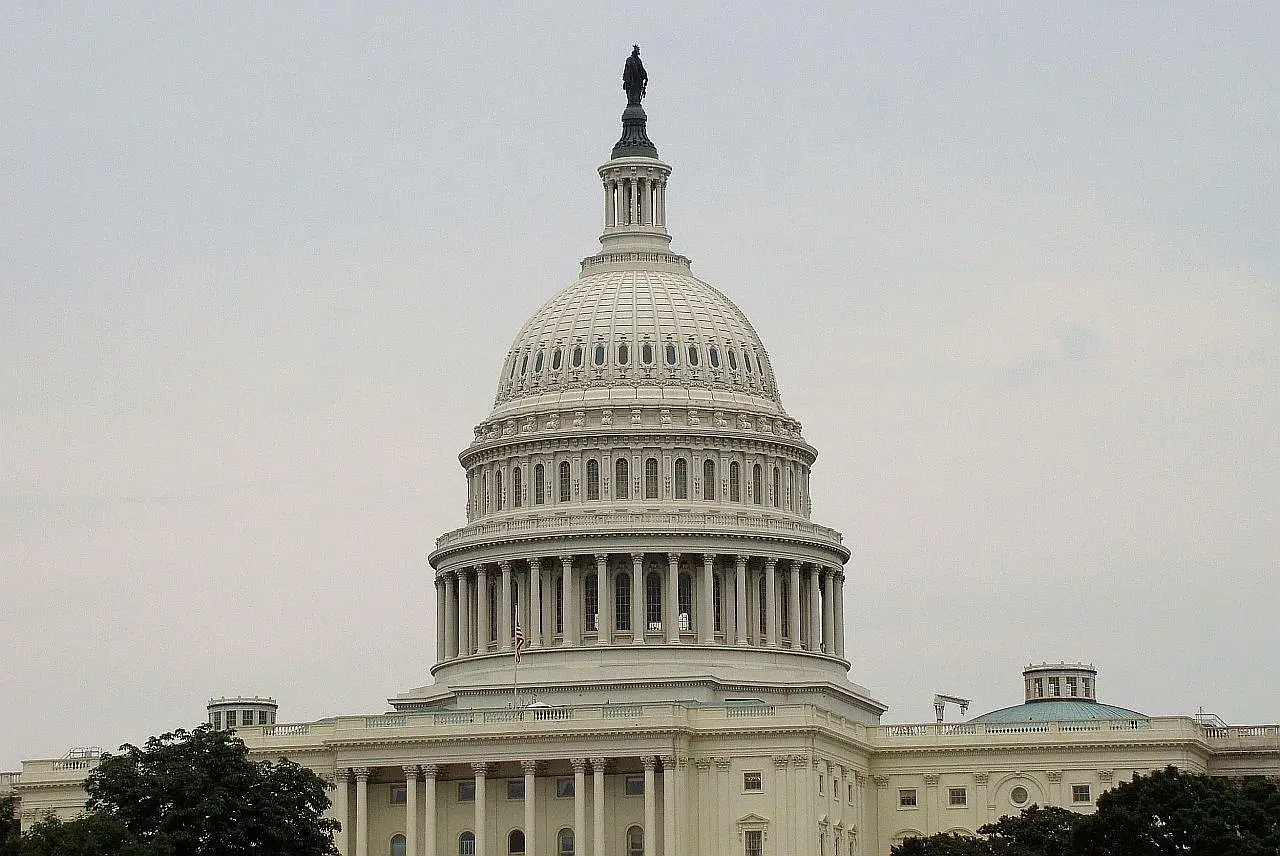
Roeslein & Associates Inc. reported $140,000 in third-quarter lobbying on Senate farm bill S. 5526, a filing signed Nov. 24 — more than a month past the Oct. 20 deadline. The Missouri-based engineering consulting firm files as its own in-house registrant, so no outside lobbying shop touched this account.
The company also filed a new client registration on July 27. Two in-house lobbyists carry the work: Bryan Sievers, director of government relations, and Sophia Stone, assistant director of government relations.
What does the money actually target?
The Senate bill. S. 5526, sponsored by Sen. John Boozman (R-AR), was placed on the Senate Legislative Calendar on Sept. 24 after committee action. It reauthorizes USDA programs through fiscal year 2031 and covers commodity support, conservation, nutrition, energy, and year-round sale of E15 fuel.
The House passed its own version, H.R. 7567 — the Farm, Food, and National Security Act of 2026, sponsored by Rep. Glenn Thompson (R-PA-15) — and the Senate received it May 19. A Congressional Research Service comparison dated Nov. 17 flags differences between the two bills on conservation and energy programs. Those are Titles II and IX, the exact areas Roeslein's filing names. That's not a coincidence for a firm deep in renewable natural gas engineering.
Who else is weighing in?
The House Committee on Agriculture listed more than 500 supporters of H.R. 7567, including:
- American Biogas Council
- American Farm Bureau Federation
- National Farmers Union
The U.S. Chamber of Commerce urged passage, arguing the bill would expand rural energy programs. The Southern Poverty Law Center urged Congress to reject it, calling the legislation partisan.
What about Section 45Z?
Treasury and the IRS proposed regulations for the Section 45Z clean fuel production credit on Feb. 4. The proposal includes an example of renewable natural gas made from animal manure — squarely the feedstock territory where Roeslein operates. The RNG Coalition welcomed the proposal.
The technical groundwork keeps moving. On Sept. 8, the Department of Energy updated its 45ZCF-GREET manual for lifecycle emissions modeling. IRS Notice 2026-53 said the model will be updated to cover poultry and beef manure, extending the credit's reach into additional livestock sectors.
For biogas developers, the practical question is what a farm bill plus a settled 45Z credit would change for project economics on manure-based RNG. The Senate bill's energy title and the pending manure pathway updates would together lock in both the programmatic authority and the tax-side incentive.
REAP rulemaking adds another variable
USDA announced a final rule for the Rural Energy for America Program on Oct. 2, with a comment period running ahead of an application window. REAP provides loans and grants for renewable-energy systems, giving farms and rural businesses another financing channel that overlaps with the energy-title programs S. 5526 would reauthorize.
What happens next?
The clock is short. S. 5526 now waits for Senate floor time, with the chamber's tentative calendar targeting adjournment on Dec. 18. The House calendar shows its next meeting on Nov. 27. If the Senate doesn't move the bill before adjournment, Roeslein's $140,000 quarter buys advocacy into a reset, and the House-Senate differences on Titles II and IX — conservation and energy — become next year's negotiation.
via legis1.com (Source)
More from Nathan Brooks
Show full bio
Staff writer covering regulation, policy and their impact on Agribusiness coverage for industry professionals at Agribusiness Wire.
596 articles