Lot No. LOT-8840 · offered November 9, 2026
Lot sheet
Riverview Moves Up to 85 Million Gallons of Manure in Two-Month Window
Louriston Dairy pipelined 80-85 million gallons of manure from 10,500 cattle onto neighbor fields in two months, under MPCA permit rates, GPS control and a Nov. 1 deadline.
Market notes
- Louriston Dairy applied 80-85 million gallons of manure from about 10,500 head between late August and late October.
- Riverview owns none of the receiving fields; 12-15 neighbor farmers take manure each season and more are on a waiting list.
- MPCA permit rates govern application; flow meter and GPS data go to the state annually.
- Riverview's self-imposed application deadline is Nov. 1; drier conditions put this season on target.
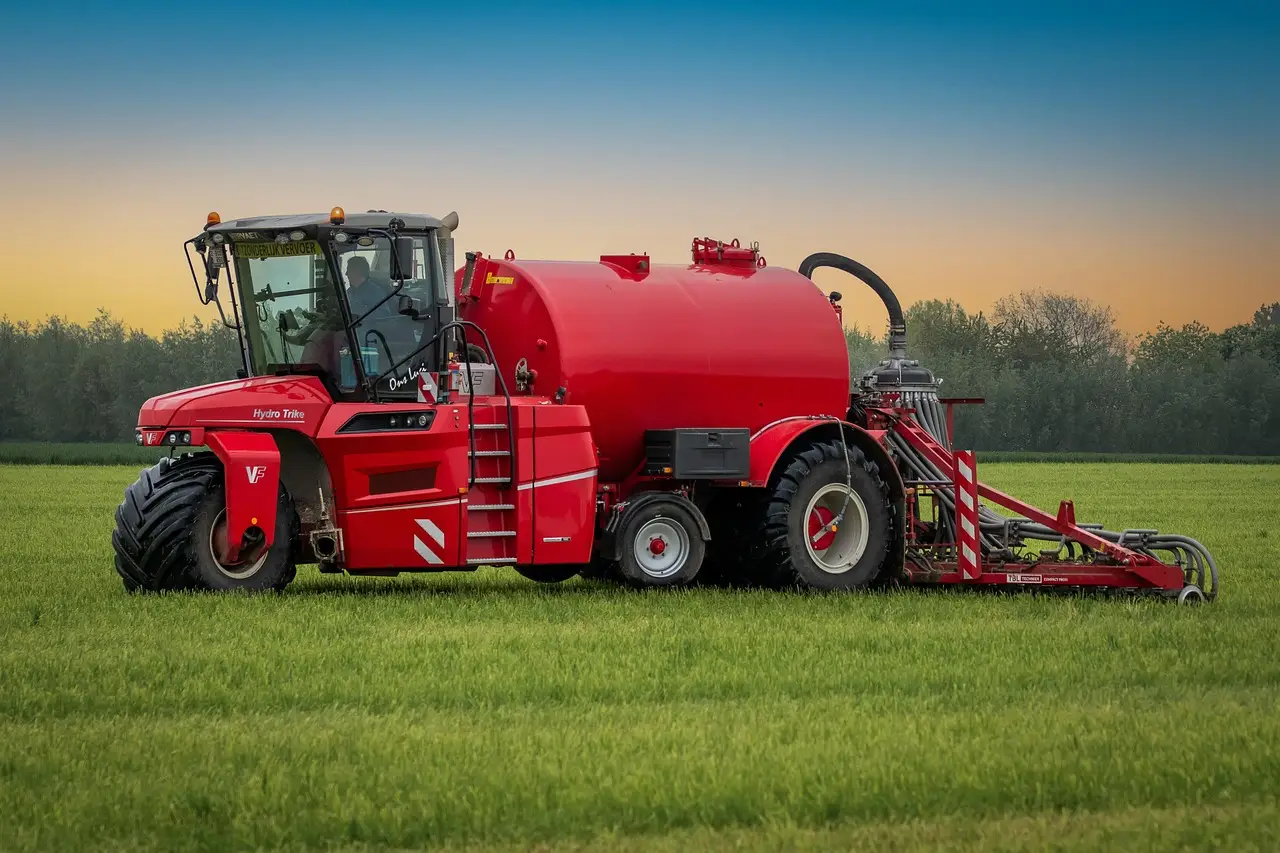
Louriston Dairy in Murdock, Minnesota, moved between 80 million and 85 million gallons of liquid manure from roughly 10,500 head of cattle onto neighboring fields between late August and late October — a year's supply applied in about two months.
The dairy, owned by Riverview, owns none of the ground that receives the manure. Twelve to 15 private farmers take the product each season around the site, and demand exceeds supply. "We have more neighbors who want manure than we have manure to sell," said David Yost, regional forage and manure manager at Louriston.
How does the operation stay compliant?
Manure application at Louriston runs under Minnesota Pollution Control Agency rate limits attached to the dairy's feedlot permit. Flow meters and GPS rate controllers record gallons per acre field by field, and that data goes to the state every year.
"I'd say manure is one of the most highly regulated fertilizer sources that's out there, and people can trust that it's being handled in the right way," said Tyler Evink, feed and manure manager for Riverview.
Yost pushed back on any perception of loose practices. "This isn't something where we can just go do whatever we want," he said. "There's a perception that this is just kind of a cowboy, and we at all costs, we just get the manure out. And in reality, no, it's a very regulated and coordinated operation to accomplish that goal."
Crews time applications around weather, using weather-based maps to avoid higher-risk periods that could produce runoff. Riverview sets its own completion deadline of Nov. 1. Cory Ahrens, crew lead for Swift Pumping, which coordinates application each year, said the operation was well on target this season because of drier conditions.
What determines the rate on each field?
Agronomic rates come from soil sampling, manure sampling, previous yield history and nitrogen conversion research, layered under MPCA limits. The surrounding rotation includes corn, soybeans, black beans, kidney beans, sugarbeets and alfalfa.
"Application follows crop rotation, and so it's all based on the end needs of the crop that was removed and that crop that it's going to," Yost said.
One field observed in mid-October, about two miles from the dairy, had grown sugarbeets and received no manure the prior year. The ground held adequate nutrients before sugarbeets but came out deficient, and needed manure ahead of corn next spring. The farmer planned the application with Riverview a year in advance, knowing the rotation. The farthest field in the network sits about four miles from the site.
The manure travels by pipeline from the dairy. Ahrens monitors the system from his phone through an app called Lightspeed, which shows manure flowing through the system and into the applicator in real time, updated by the second. If a problem appears, he can shut the system down from the phone instead of driving across the farm.
"And then we use rate controller and speed to then apply the right rate on every single acre," Ahrens said.
Crews take one to two manure samples per shift for third-party lab analysis. On top of that, the operation is working with technology that tests manure for NPK in real time as it flows.
The arrangement cuts both ways. Neighbor farms rely on the manure to meet nutrient needs in most years, and Riverview relies on those neighbors to accept a product both sides value. With a waiting list of farmers and a fixed two-month application window, the schedule depends on harvest timing, permit compliance and dry weather holding through Nov. 1.
via agweek.com (Source)
More from Grace Kim
Show full bio
Correspondent covering people, launches and day-to-day practice in Agribusiness coverage for industry professionals at Agribusiness Wire.
484 articles
Also in the yard
- Minnesota firm tackles nitrogen pollution as fertilizer markets swing
- Nebraska Farmers Press Senate as 2024 Farm Bill Stalls in Recess
- South Dakota Lawmakers See Tough Path for 2026 Farm Bill
- Iowa farmers now call themselves 'fed up' over water quality
- Fischer weighs data center power, farm bill and beef imports