Offered
Crop EconomicsLot sheet
Record September Rain Spurs Soybean Seed Diseases, Delays Harvest
Record September rainfall has delayed soybean harvest and accelerated seed disease pressure, putting this season's bin-run seed quality under a microscope for growers planning to carry home-grown seed into the next planting season.
Market notes
- Record September rainfall has delayed soybean harvest across growing regions
- Delayed harvest coincides with elevated seed-borne disease pressure in pods
- Seed diseases can increase dockage at the elevator and reduce deliverable volume
- Seed diseases can lower germination percentages in lots intended for planting seed
- Pre-harvest scouting and certified-lab germination tests are recommended before binning seed
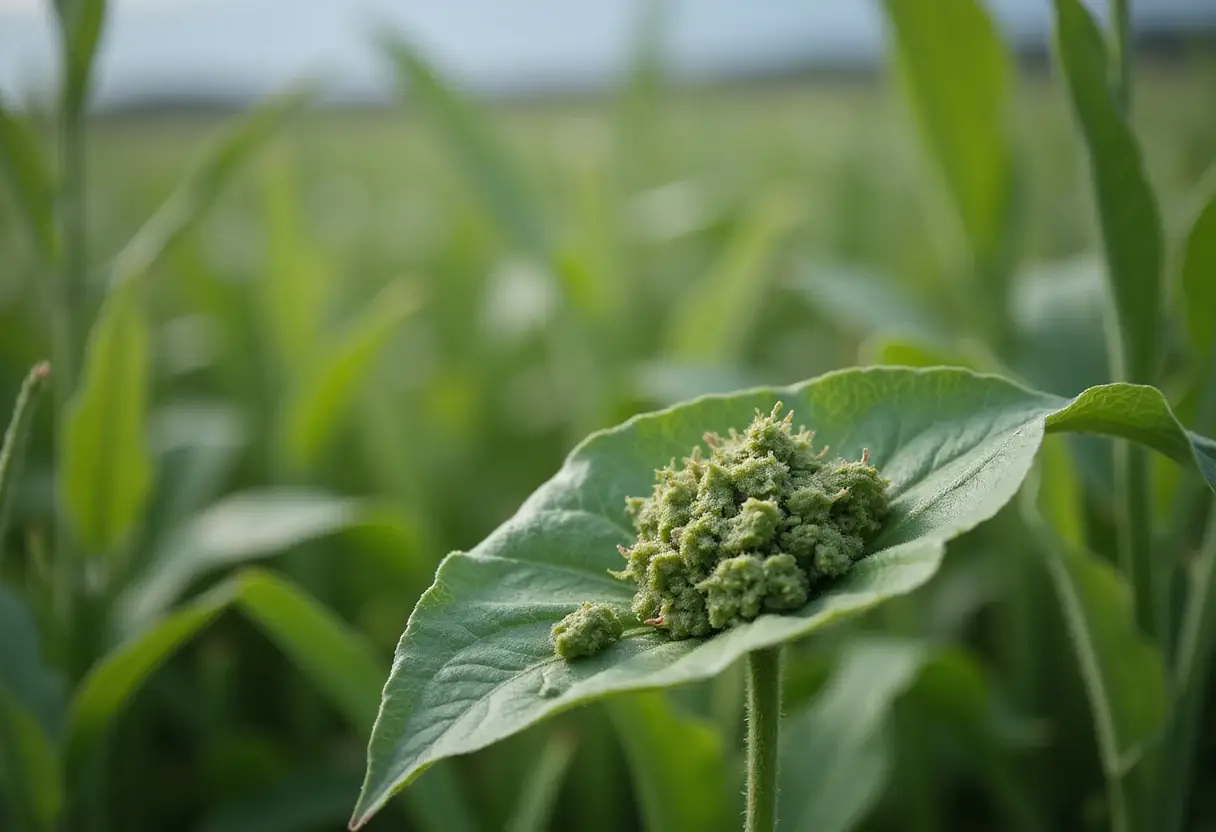
Record September rainfall has delayed soybean harvest and accelerated seed disease pressure, putting this season's bin-run seed quality under a microscope for growers planning to carry home-grown seed into the upcoming planting season.
The combination of late-season moisture and a stretched harvest window creates the conditions agronomists associate with elevated seed-borne fungal activity. Pods that remain wet through repeated rain cycles give pathogens time to colonize seed coats, and seed harvested at higher moisture carries both greater mechanical damage risk and a longer window for post-harvest disease development in storage.
Why dockage and germination matter
Dockage — the foreign material, damaged kernels, and shriveled or discolored seed removed during cleaning — directly cuts the deliverable volume from any lot. For growers setting seed aside, dockage also reduces the volume of viable planting material available. Germination matters for a different reason: seed that fails to emerge costs the grower the seeding rate investment without producing a plant. The two metrics interact. Heavily diseased seed tends to score poorly on both, while mildly infected seed may pass cleaning but still fail germination tests run by certified labs.
What scouting looks like now
Fields with the most canopy and the slowest drying are likely to show the highest disease pressure. Walking representative transects rather than just field edges gives a more accurate read on seed condition. Cut pods open and examine the seed inside for discoloration, shriveling, white or gray mold growth, and any chalky or off-color seed coats. Record the field, the variety, and the rough percentage of affected plants so the decision to keep or reject seed leaves a paper trail.
Implications for next season's seed supply
The economic logic for bin-run seed is straightforward: capture the genetics and traits already adapted to local conditions at a fraction of the price of certified seed. That logic depends, however, on the seed meeting germination standards. Lots that fall below a buyer's threshold or a certification cut-off must either be discarded, sold as commodity grain, or accepted with a seeding rate adjustment that raises per-acre input costs.
Storage considerations
Even seed that looks clean at the combine can deteriorate in a warm, moist bin. Growers who keep seed should dry it to recommended moisture levels quickly and monitor bin temperature and moisture through the storage period. Aeration, low-moisture drying, and regular probing reduce the risk that storage compounds an in-field disease problem.
What growers should pull before combines leave the field
A short list of pre-bin checks keeps the seed-quality decision grounded in data rather than guesswork:
- Walk multiple sites per field, not just the easiest corners
- Pull a representative sample from each lot destined for seed
- Submit samples to a certified lab for warm and cold germination tests
- Compare results against the certification standard before committing seed to the bin
- Adjust seeding rates upward for any lot that falls short of the germination target
The path forward
The remaining weeks of soybean harvest will determine whether this season's disease pressure becomes a seed-cost story for the next planting season or a footnote in a year that finished strong on yield. Growers who scout now and pull samples before bins are filled will have the clearest read on which lots are worth saving and which should move to the elevator instead.
via Farm Progress (Source)
More from Rebecca Stone
Show full bio
Market editor covering people, launches and day-to-day practice in Agribusiness coverage for industry professionals at Agribusiness Wire.
534 articles
Also in the yard
- Wet Fall Raises Soybean Storage Risk in the Midwest
- Drier Forecast Offers Southwest Iowa Growers a Harvest Window
- Seed Lab Data Sits Outside Canada's Breeding Loop, Analyst Says
- Southwest Iowa Soybeans Show Seed-Coat Discoloration as Rain Delays Harvest
- Seed Trade Honors Tim Gutormson, A Career Built on Seed Quality