Lot No. LOT-3014 · offered October 9, 2026
Ag Finance & InvestmentLot sheet
ProducePay raises $140M, targets $1B in advances as it pivots to data
ProducePay raised $140M and lined up a $300M lending facility, planning $1B in grower advances while pivoting from balance-sheet capital to data services for fresh produce.
Market notes
- $140M new equity round led by Avenue Capital and Astanor; facility could reach $300M
- $1B in grower advances targeted for next year, up from balance-sheet model
- Facility split: 85% debt from i80 Group, 15% 'haircut equity' from AgAide, Millennium and ProducePay
- ProducePay cites 117% annual price volatility in fresh produce, higher than crypto or oil
- Profitability expected by year-end; CEO calls 2027 'a breakout year'
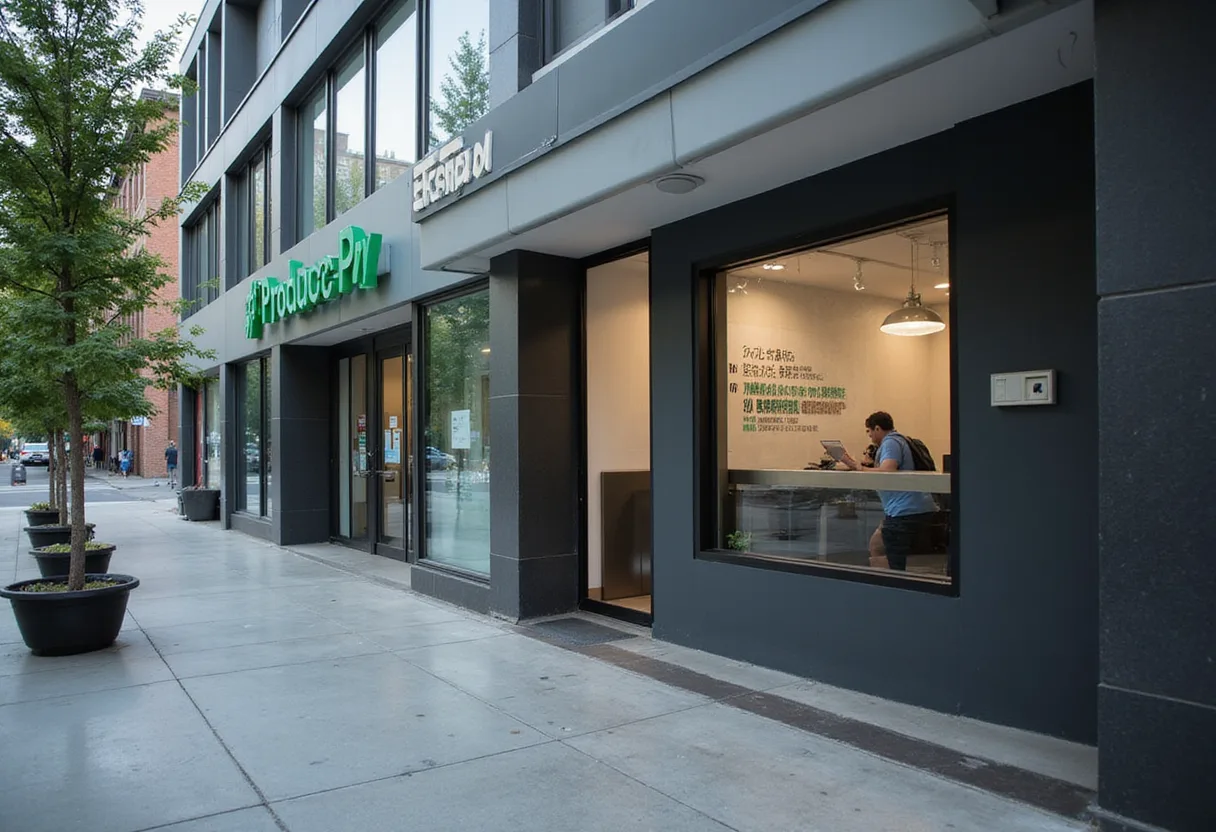
ProducePay has closed $140 million in new equity led by Avenue Capital and Astanor and lined up a lending facility that could reach $300 million, with the Los Angeles-based fintech planning to advance $1 billion to fresh-produce growers next year while layering data and supply-chain tools on top.
The company, which historically advanced working capital directly to growers from its own balance sheet, will keep only a sliver of equity in a new lending fund. i80 Group supplies roughly 85% in debt, while AgAide, Millennium and ProducePay together hold about 15% in what McCullough calls a "haircut equity layer" that absorbs first losses if borrowers default.
Under the old model, ProducePay carried the credit risk on every advance. Under the new one, outside investors shoulder most of it. ProducePay retains "a little skin in the game" plus a fee stream, plus the data it has been quietly building for the past decade.
That data matters. Because the firm was pre-buying crops before harvest, it deployed agronomists into fields to track how money was spent and whether crops were progressing as expected. By 2023, executives realized those same field checks could be sold to growers, importers and retailers.
McCullough calls the reorientation "a monster pivot" and expects ProducePay to turn profitable by the end of this year. "We think 2027 will be a breakout year," he said.
What does the new capital structure change?
The new facility could ultimately reach $300 million, with another capital provider expected to join shortly. ProducePay used 11 years of performance data — every dollar advanced, every dollar repaid — to win over lenders.
"Every debt provider to this facility in the history of our existence has been repaid their full principal and their full interest," McCullough said. "We've created what we believe is a financeable asset class."
How does field-level data turn into revenue?
ProducePay now sells visibility services to berry supplier Fruitist and table grape specialist Four Star Fruit. Agronomists photograph grapes, take sugar readings and judge whether the fruit will hit retailer specs before harvest, then push that information to importers and retailers.
In one example, McCullough said Costco reviewed ProducePay data on a grape block, accepted fruit early that fell short on berry length because supply was tight, and paid tier-one pricing. "Costco said, 'Harvest early. It meets my spec everywhere but length, and I don't care about length,'" McCullough recounted.
The firm also tracks pallets in transit, logging location, temperature, humidity and vibration and tracing each load back to the field. "We see the farmer paying for the capital and the importer paying for the intelligence," McCullough said. "It's a new line of revenue for us that's just getting off the ground."
Why is fresh produce so volatile?
McCullough points to a figure he says his team surfaced two years ago: 117% annual price volatility in fresh produce. "That's more than cryptocurrency. That's more than oil and gas. That's more than any category," he said.
Unlike cereal, meat or electricity, perishables such as watermelons, tomatoes and table grapes cannot easily be stored or throttled, leaving growers exposed to spot-market swings. "The chaos I'm describing is why produce farms are on the brink of death every other year," he said.
ProducePay's pitch to retailers is straightforward: 52-week supply, consistent quality and price stability, even if that means paying premiums when volume is short.
What's next for the platform?
ProducePay is expanding beyond its historical Latin America-to-North America corridor into Europe, Africa and the Middle East. McCullough said European buyers focus heavily on pesticide residues and food safety, requiring some adjustments to the model.
Astanor partner George Powlick framed the broader bet this way: "By combining technology, data and financial solutions, ProducePay is creating greater transparency and predictability across the fresh produce supply chain."
McCullough envisions a longer-term role that includes real-time supply-and-demand matching, possibly on blockchain, and fixed forward pricing for perishables. "We need the whole industry to play ball," he said. Whether outside investors buy in will be tested by the $1 billion grower advance target and the $300 million facility ceiling over the next 12 months.
via producepay.com (Original)
More from Marcus Bennett
Show full bio
Senior reporter covering regulation, policy and their impact on Agribusiness coverage for industry professionals at Agribusiness Wire.
408 articles
Also in the yard
- AGCO chief tells young farmers to treat precision tech as baseline cost
- CoBank projects fertilizer prices will stay elevated through 2028
- 60% of Ohio Farms Entered 2026 With Shrunk Cash Reserves
- CoBank Sees Fertilizer Prices Staying Elevated Through 2028
- Farm equipment stocks slide as regulatory probe meets weaker crop prices