Lot No. LOT-3992 · offered September 28, 2026
Commodity MarketsLot sheet
POET and Maersk Complete First 100% Bioethanol Marine Bunkering in U.S.
POET and Maersk report a successful first-ever U.S. marine bunkering with 100% bioethanol, a proof of concept that could open a new demand channel for corn-based fuel.
Market notes
- POET and Maersk completed the first 100% bioethanol marine bunkering operation in the U.S.
- The companies report the trial was successful and marks a first-of-its-kind demonstration.
- No commercial volumes, pricing or follow-up schedule have been announced yet.
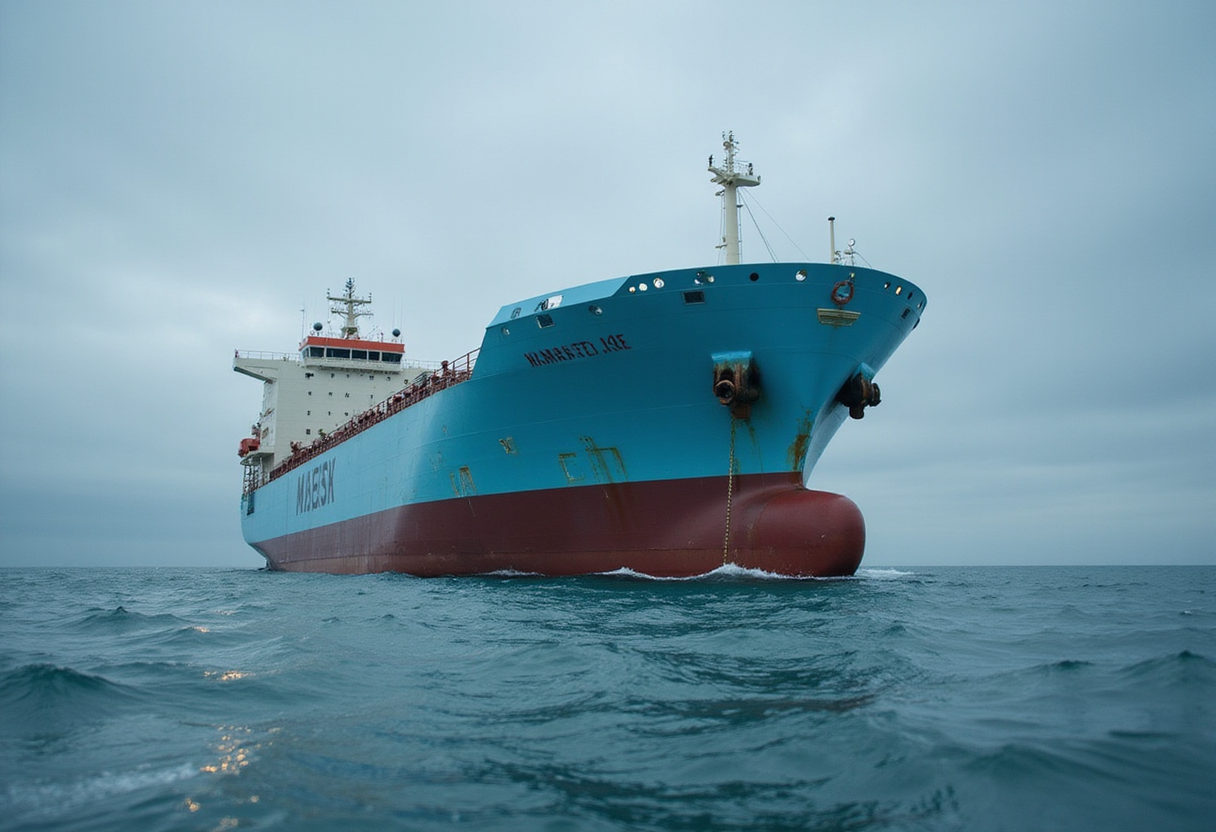
POET and Maersk have completed what the two companies describe as the first-of-its-kind 100% bioethanol marine bunkering operation ever carried out in the United States. The trial, which the partners report as successful, marks the first time a U.S. vessel has been fueled with unblended ethanol in a marine application.
The demonstration carries direct significance for U.S. row-crop growers. POET, the largest ethanol producer in the country, operates a network of bioprocessing plants across the Corn Belt, and any new demand channel for ethanol affects corn grind, basis at plant locations and, ultimately, the price growers receive at the elevator. Marine bunkering — the shipboard equivalent of refueling — is a demand segment that has historically run on heavy fuel oil and, more recently, liquefied natural gas and methanol. Opening it to bioethanol creates a potential new outlet for renewable fuel volumes that now move overwhelmingly through gasoline blending.
For Maersk, the trial fits the container line's broader push to cut emissions across its fleet. Shipping faces tightening international rules on carbon intensity, and operators have been testing multiple alternative fuels to comply. Ethanol's advantage in that search is existing infrastructure: the U.S. already produces roughly the fuel at industrial scale, moves it by rail, barge and pipeline-compatible logistics, and stores it in terminals nationwide. A bunkering operation does not require building a fuel supply chain from zero — it requires adapting one that already serves the transportation sector.
The trial's success is a condition report, not a harvest result. One successful demonstration establishes technical feasibility — that a vessel can be bunkered safely and operated on pure bioethanol — but it does not establish commercial scale, pricing, or a contracted offtake schedule. Those steps would determine how many bushels of additional corn demand, if any, the marine segment ultimately represents for growers. POET and Maersk have not yet announced follow-up volumes or dates for expanded operations, and market participants will be watching for those details before repricing any demand assumptions.
Even so, the direction matters for farm margins. Corn demand is currently concentrated in feed, export and domestic fuel blending, with the Renewable Fuel Standard and related policies setting the volume framework for the ethanol share. A new marine fuel channel would diversify that demand base and could tighten basis around ethanol plants if volumes scale, a consideration for growers weighing storage and marketing decisions against plant proximity.
The companies frame the operation as a demonstration of ethanol's potential as a marine fuel. Whether that potential converts into sustained procurement will depend on cost competitiveness against rival marine fuels, regulatory treatment of bioethanol under shipping emissions rules, and the pace at which vessel operators retrofit or order engines capable of running on the fuel. For now, the first U.S. 100% bioethanol bunkering stands as proof of concept, and further announcements from POET and Maersk on scale and timing will signal whether the marine market becomes a material draw on the American corn crop.
via Feedstuffs (Source)
More from Rebecca Stone
Show full bio
Market editor covering industry trends and analytics at Agribusiness Wire.
135 articles
Also in the yard
- Diesel Prices Rise as Refinery Fire, Saudi Attacks Strain Oil Supply
- US Senate Advances Farm Bill 2.0, Year-Round E15 in Focus
- Iowa Enacts Excise Tax Exemption for Ethanol Used in Farm Equipment
- 45Z Uncertainty Leaves Biodiesel Producers Chasing Ethanol's Lead
- NCGA Outgoing President Cites E15 Gains, Eyes New Farm Bill