Lot No. LOT-4506 · offered November 13, 2026
Agricultural PolicyLot sheet
Chevron Restarting Iowa Biodiesel Plant on Stronger RFS Demand
Chevron will restart its Ralston, Iowa biodiesel plant, closed since 2024, with a Landus feedstock deal as record RFS blending mandates revive biomass-based diesel demand.
Market notes
- Chevron is restarting its Ralston, Iowa biodiesel plant two years after closing it in 2024.
- The plant was acquired in 2022 as part of Chevron's $3.2 billion purchase of Renewable Energy Group, the largest U.S. biodiesel producer.
- The restart includes a feedstock agreement with farmer-owned cooperative Landus, whose soy processing facility neighbors the plant.
- The Trump administration's latest RFS blending mandates are the highest in the program's two-decade history.
- United Steelworkers and refining states including Louisiana are pushing to overhaul or roll back the blending requirements.
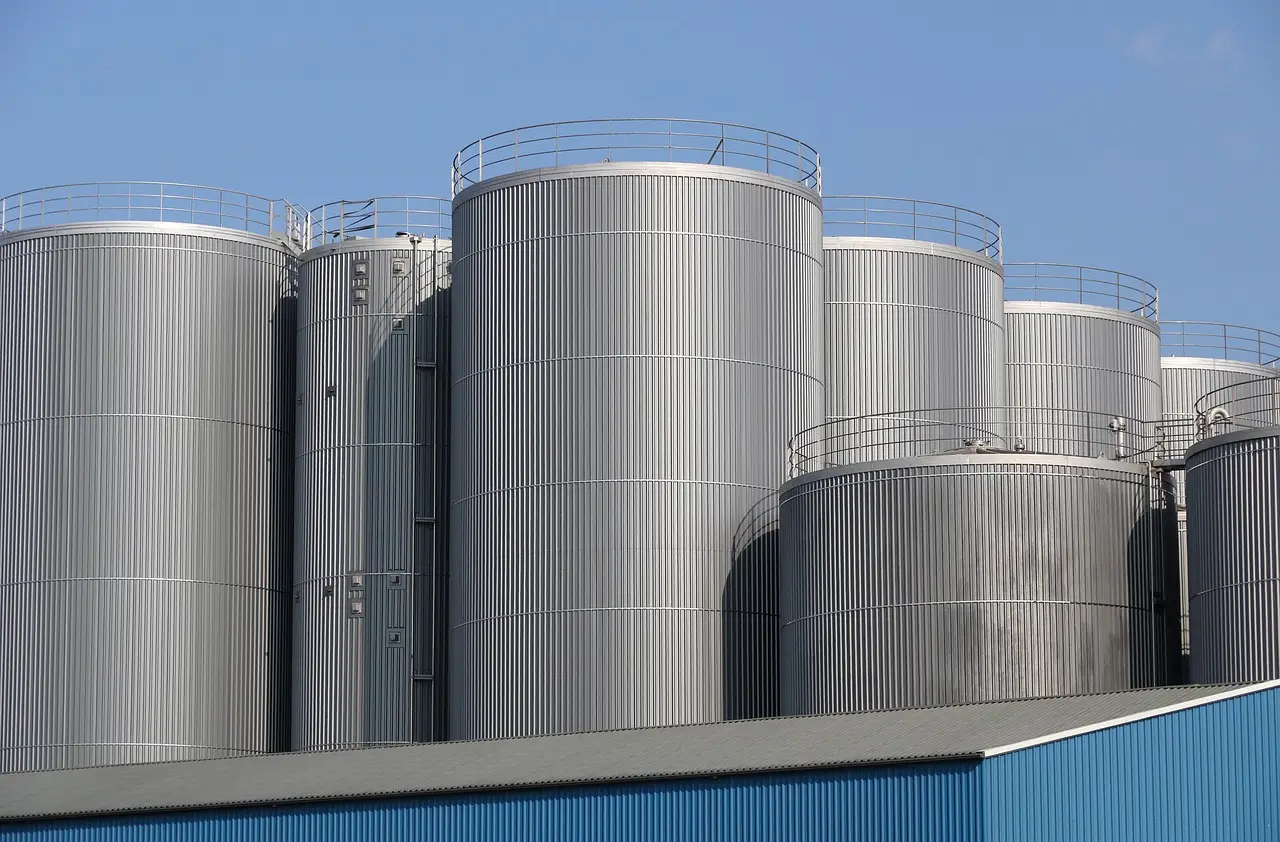
Chevron is switching its biodiesel plant in Ralston, Iowa, back on two years after closing it, in the clearest signal yet that the strongest federal blending mandates in the Renewable Fuel Standard's two-decade history have revived demand for biomass-based diesel.
The restart comes with a feedstock agreement with Landus, a farmer-owned Iowa agricultural cooperative that runs a soy processing facility next door to the plant. The companies say in a news release that the deal gives the biofuel plant a robust local supply chain, tying the refinery's throughput directly to soybean crush in Ralston.
Why did the plant close in the first place?
Chevron acquired the Ralston facility in 2022 as part of its $3.2 billion purchase of Renewable Energy Group, then the country's largest biodiesel producer. It shuttered the plant in 2024.
The stated reasons were poor market conditions: lapsed federal tax policy and weak biofuel-blending rules under the RFS. In other words, the plant closed on policy, and it is reopening on policy. Chevron has not disclosed restart capacity, staffing levels, or a production timeline, and the companies' claims about the supply chain rest on their own announcement rather than independent data.
What has changed in the policy picture?
The Trump administration's latest blending mandates are the highest in the RFS's twenty-year history. That has driven a resurgence in biofuel demand and, by extension, demand for the soybeans that feed biomass-based diesel production — a margin consideration for every Iowa grower weighing acreage and basis.
The restart is not happening in a settled policy environment, however. United Steelworkers is pressing Congress to overhaul the RFS, and large refining states, including Louisiana, are asking the Environmental Protection Agency to partially roll back biofuel-blending requirements.
What are Iowa voices saying?
Monte Shaw, executive director of the Iowa Renewable Fuels Association, framed the Ralston restart as the most concrete evidence yet of the mandates' effect.
"This may be the biggest sign yet of the powerful impact of the robust RFS blending levels finalized by the Trump EPA earlier this year," Shaw said. "A major facility is coming back online, creating new demand for Iowa-grown soybeans and creating good-paying jobs in rural Iowa. IRFA strongly urges the Trump administration to maintain the RFS and to reject any actions that would reverse course. As the saying goes – if it ain't broke, don't fix it."
Shaw's jobs and demand claims echo the companies' announcement and are not yet backed by disclosed hiring or procurement figures. What is verifiable is the plant's return, the Landus feedstock tie, and the record blending volumes behind it.
For soybean growers, the takeaway is direct: a shuttered crush-adjacent demand point is back in the market. For policy watchers, the takeaway is that the restart lands in the middle of a live fight over the RFS's future. Whether Ralston stays running will depend less on the ribbon-cutting and more on whether the mandates behind it survive the challenges now moving through Congress and the EPA.
via businesswire.com (Original)
More from Olivia Hart
Show full bio
News editor covering technology and product news in Agribusiness coverage for industry professionals at Agribusiness Wire.
512 articles
Also in the yard
- Chevron to Restart 42-Million-Gallon Iowa Biodiesel Plant
- EPA's Higher RVO Volumes Revive Idled Biodiesel Plants, CEO Says
- Continental Refining expands biodiesel; Kentucky soybean plant remains idled
- Ohio Soybean Association Backs Biodiesel Tax Credit
- EPA Faces Governor Waiver Requests That Biofuel Groups Call a Refinery Giveaway