Lot No. LOT-7238 · offered November 8, 2026
Lot sheet
Pistachio Decline and 70% Export Exposure Top Isom's Post-Election Worries
Roger Isom warns California growers face declining pistachio production, tariff exposure on 70% exported tree nuts, water storage delays and rising compliance costs.
Market notes
- About 70% of California's tree nut production is exported, exposing growers to tariffs.
- Isom estimates a dramatic decline in 2024 pistachio production versus earlier expectations.
- Xavier Becerra is projected to become California's next governor with unclear farm policy priorities.
- Sites Reservoir and other storage projects face delays limiting stormwater capture.
- USDA commodity purchases offer temporary relief but can't replace international buyers.
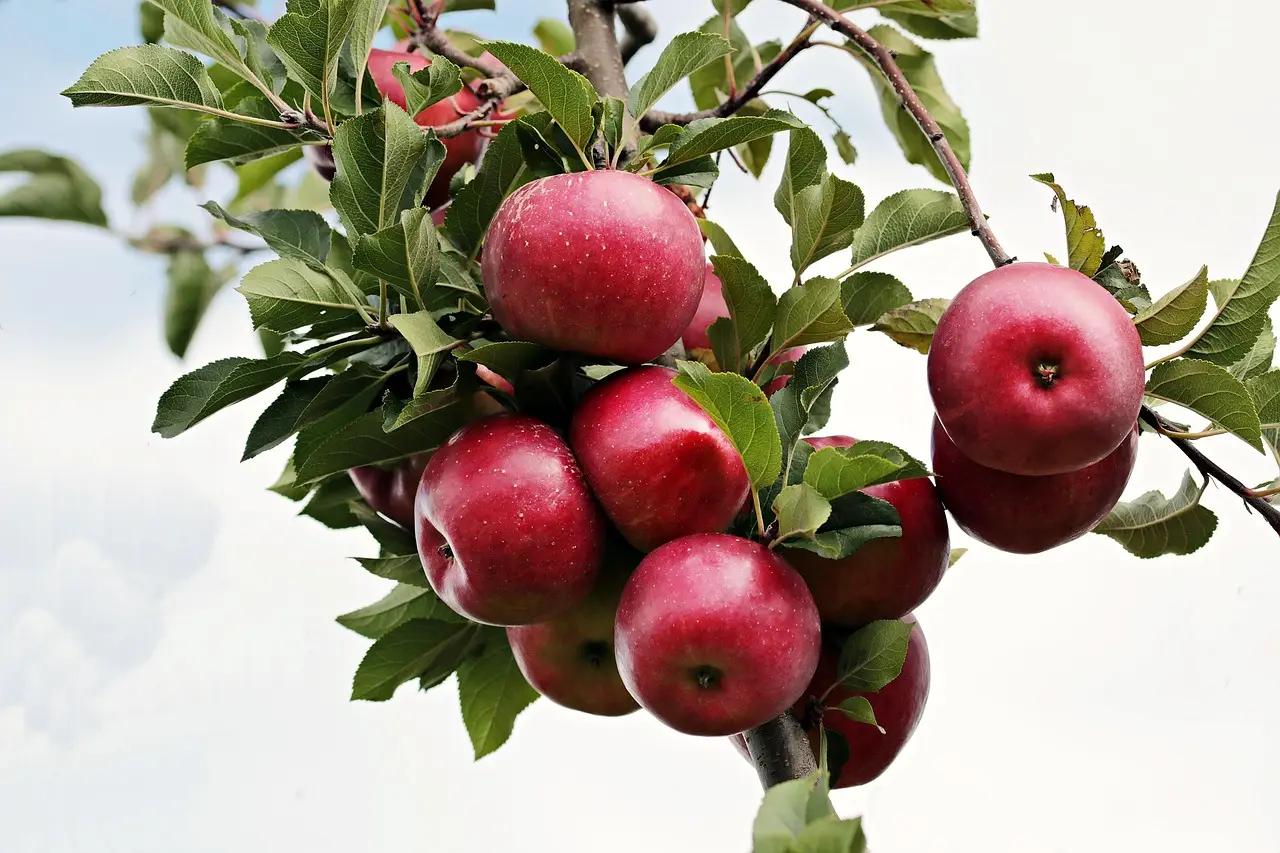
Roughly 70% of California's tree nut production ships overseas, and that export dependence sits at the center of Roger Isom's warning that the state's farm sector faces a stack of compounding risks after November's election.
Isom, president and CEO of both the Western Tree Nut Association and the California Cotton Ginners and Growers Association, laid out the challenges in Part 1 of a two-part conversation with Nick Papagni on the AgNet News Hour. His list runs long: an unfamiliar incoming state administration, a sharply reduced pistachio crop, tariff exposure, stalled water storage and climbing regulatory costs.
What does the pistachio shortfall mean for growers?
Plenty. Isom called this year's pistachio production particularly troubling, estimating a dramatic decline from earlier expectations. The numbers matter differently across crops. Lower almond output has actually helped strengthen prices, tightening supply in growers' favor. The pistachio shortfall is a different animal. Isom warned it presents a much more serious financial challenge for growers — a revenue hit, not a market correction.
Trade and tariffs: the 70% problem
With about 70% of the state's tree nut crop leaving U.S. shores, tariffs and disruptions in overseas markets hit California harder than most farm economies. Isom welcomed recent USDA commodity purchases as temporary relief — federal buying that clears some inventory. But he stressed the deeper point: maintaining relationships with international buyers is essential to the industry's long-term success. Government purchases cushion a season. They don't replace an export market.
Who regulates California farms next year?
With Xavier Becerra projected to become California's next governor, Isom flagged uncertainty over what the change in leadership means for farmers. He said the agricultural industry has received few indications of Becerra's policy priorities, particularly on appointments to the agencies that oversee water, air quality, workplace safety and pesticide regulation. Those appointments set the enforcement climate for nearly every input and compliance line on a California farm budget.
Water: a wet winter won't fix storage gaps
Isom argued the state remains inadequately prepared to capture and store large volumes of stormwater, even if a wetter winter materializes. He pointed to delays surrounding major storage projects, including Sites Reservoir, and stressed that groundwater recharge efforts depend on having sufficient infrastructure to manage runoff. Rain without capture capacity is a missed opportunity growers pay for later.
Costs, cotton and the road ahead
On regulation, Isom criticized proposed changes to wildfire smoke protections for agricultural workers, alongside rising labor expenses and broader compliance requirements. His core argument: California growers face growing disadvantages against producers in states and countries with lower operating costs.
Cotton tells a version of the same story. Isom doesn't expect the industry to return to its historical peak, but he believes the state's ability to produce high-quality Pima cotton remains a genuine competitive advantage. Rising production costs against stagnant commodity prices keep squeezing profitability regardless of quality.
Throughout the interview, Isom returned to one theme: promoting California-grown products and helping consumers understand the standards — and costs — behind domestic production. Part 2 of the conversation is expected to take the discussion further.
via agnetwest.com (Source)
More from Nathan Brooks
Show full bio
Staff writer covering regulation, policy and their impact on Agribusiness coverage for industry professionals at Agribusiness Wire.
531 articles
Also in the yard
- Almond growers cut pesticide active ingredients 61% in 20 years
- Specialty Crop Growers Find Encouragement in Farm Bill Progress
- USDA Says Farm Trade Deficit Halved to $25 Billion
- U.S. Fertilizer Prices Ease in August; 2027 Cost Risks Loom
- USDA Presses Fertilizer Antitrust Case as Farmers Demand Lower Prices