Lot No. LOT-4891 · offered October 19, 2026
Seeds, Crop Protection & FertilizerLot sheet
New Crop Protection Molecules Cost $307 Million to Reach Market
A new crop protection molecule now costs $307 million to develop, AgroLatam reports, as global agriscience R&D shifts across chemistry, biologicals and seed traits.
Market notes
- New crop protection molecules cost $307 million to develop, AgroLatam reports.
- Global agricultural R&D spending is shifting across chemistry, biologicals and seed platforms.
- Development cost covers discovery, field trials, registration and residue studies.
- The figure is an industry average, not a per-region or per-crop breakdown.
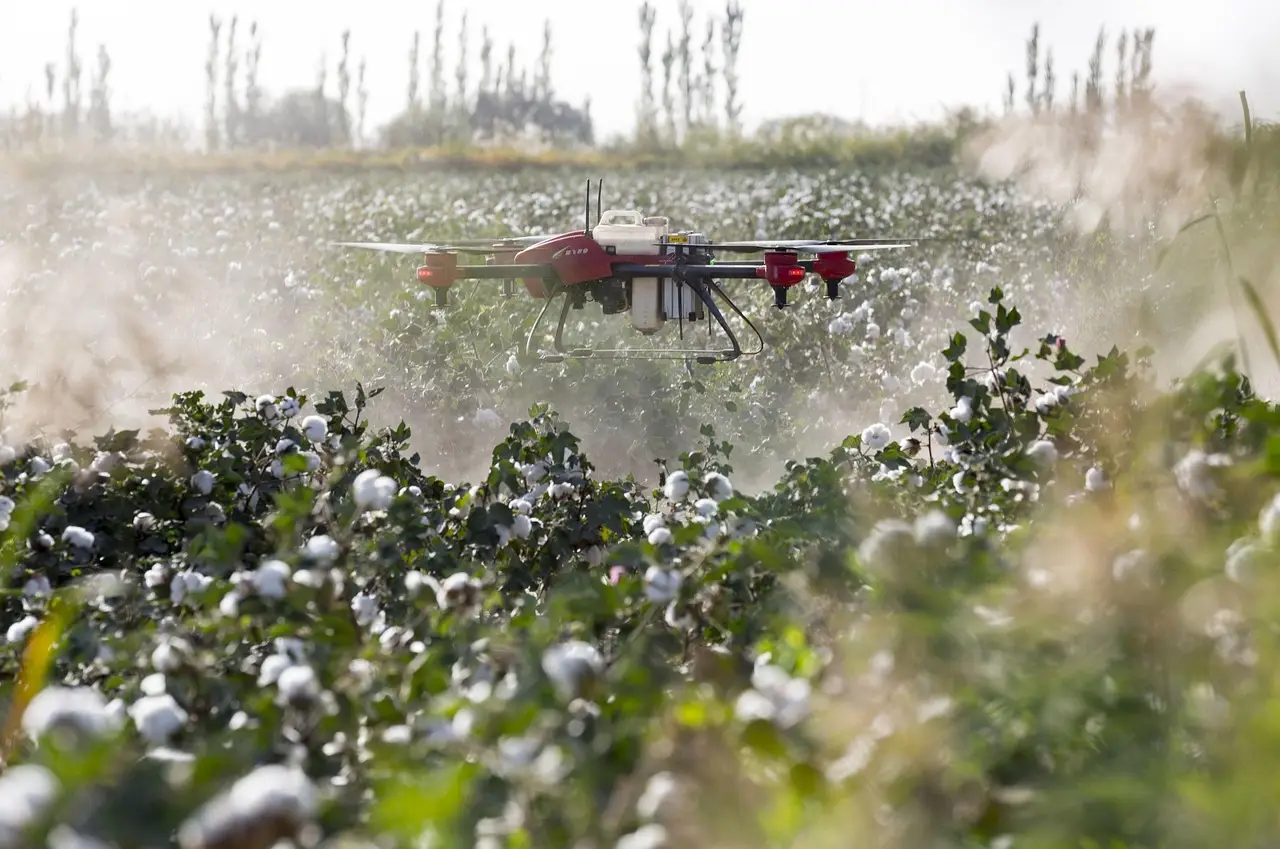
Bringing a new crop protection molecule to market now costs $307 million, according to AgroLatam's latest analysis of global agricultural research and development spending. That figure sets the bar for what any input maker must recover through pricing before a novel active ingredient ever reaches a farmer's shed.
For growers, the number matters in a direct way. Every new herbicide, fungicide or insecticide that clears regulatory review arrives with roughly three decades' worth of accumulated development cost embedded in its price. The result is a market that increasingly rewards incremental formulation improvements and mixture patents over genuinely novel modes of action — precisely the novel chemistries that resistance management programs demand.
What does the $307 million cover?
AgroLatam's assessment frames the cost against a shifting global R&D environment, in which agriscience companies are rebalancing spending across chemistry, biologicals and seed traits. The figure reflects the full discovery-to-registration pathway:
- Synthesis and screening of candidate molecules, the vast majority of which fail
- Field trials across multiple seasons and geographies
- Regulatory dossiers compiled for each jurisdiction where registration is sought
- Manufacturing scale-up and residue studies supporting maximum residue limits
The report does not break the total into component line items, so readers should treat $307 million as a headline average rather than a per-region or per-crop figure. Reporting windows and methodology matter here: cost estimates of this kind aggregate programs that began a decade or more ago, when regulatory requirements in the European Union and Brazil differed from today's.
Why the R&D shift matters at the farm gate
A shift in global agricultural R&D priorities changes the economics of crop protection supply in three practical ways.
First, fewer new actives mean longer reliance on existing chemistry. Growers managing herbicide-resistant weeds or fungicide-insensitive pathogens face a thinner pipeline of rescue options, and stewardship practices — rotation of modes of action, labeled rates, integrated pest management (the combined use of chemical, biological and cultural controls) — carry more weight when replacement chemistry is scarce.
Second, input costs reflect the concentration of development spending among a shrinking set of major manufacturers. When the fixed cost of discovery runs to nine figures per molecule, only the largest portfolio owners can sustain the pipeline, and basis — the local cash price relative to futures, which absorbs input-cost pressure at the elevator — leaves growers limited room to pass those costs downstream.
Third, biologicals and trait platforms compete for the same R&D budget. AgroLatam characterizes the current environment as a shift rather than a decline, meaning total agriscience investment is reallocated across chemistry, seed and biological platforms instead of contracting outright.
Condition versus outcome: reading the number correctly
The $307 million figure is an industry-average development cost, not a forecast of future pesticide prices, and it should not be read as a guarantee that any specific molecule now in trials will reach registration. Pipeline attrition remains high, and regulatory decisions in individual markets can add years and cost beyond the average.
For cooperatives negotiating supply contracts and for input retailers planning inventory, the practical takeaway is that novel actives will continue to arrive at premium pricing, with generic pressure building only after patent expiry. Watch upcoming registration decisions in Brazil and the United States, where approval timelines will determine how quickly any new chemistry now in late-stage development offsets the cost structure AgroLatam has documented.
The next round of company R&D disclosures will show whether the reallocation toward biologicals accelerates or whether the $307 million chemistry benchmark holds as the industry's reference point.
via Google News: Crop protection (Source)
More from Rebecca Stone
Show full bio
Market editor covering people, launches and day-to-day practice in Agribusiness coverage for industry professionals at Agribusiness Wire.
456 articles
Also in the yard
- New Crop Protection Molecule Now Costs $307 Million
- Crop Protection Market to Exceed $106 Billion by 2030
- EPA Clears Three New Crop Protection Products For U.S. Growers
- Ag Groups Warn Crop Protection Access At Risk in House Farm Bill Debate
- Wisconsin Agtech Startup Raises $5M to Develop AI-Designed Herbicides