Lot No. LOT-2918 · offered September 27, 2026
Seeds, Crop Protection & FertilizerLot sheet
EPA Clears Three New Crop Protection Products For U.S. Growers
EPA has approved three new crop protection products for U.S. agriculture, adding fresh chemistry for pest and weed programs as registrants and retailers await label and state-level details.
Market notes
- EPA has approved three new crop protection products for the U.S. market.
- The registrations add new options for pest, disease and weed management programs.
- Active ingredients, registrants and label details were not specified in the report.
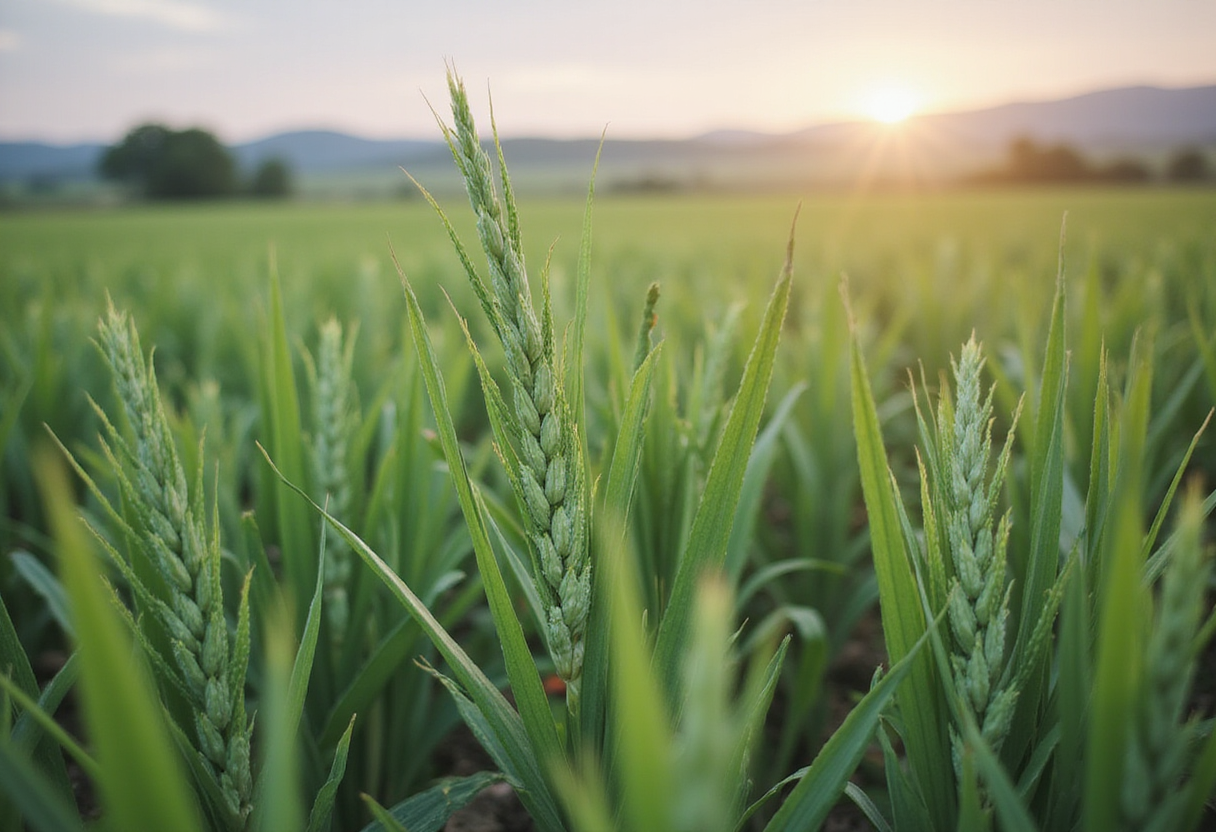
The Environmental Protection Agency has approved three new crop protection products, giving U.S. growers additional chemistry to work into pest, disease and weed management plans for upcoming seasons.
The registrations, reported by AGDAILY, add to the roster of federally cleared pesticides available for commercial agriculture. Each new approval expands the set of tools growers can rotate into spray programs — a practical concern as resistance management pushes producers to diversify modes of action rather than lean repeatedly on a narrow set of active ingredients.
For growers budgeting inputs, a new registration matters in several ways. Fresh chemistry can open alternatives where supply of an established product has run tight, where label restrictions have narrowed use windows, or where resistance has eroded the field performance of older materials. On the cost side, new entrants do not automatically mean cheaper programs; pricing depends on the manufacturer's positioning, formulation and the application rates the label carries. Growers and their agronomists will need to run the per-acre math against the products these registrations may replace.
The approval also comes as EPA works through a backlog of registration decisions under its statutory review timelines. Under the Federal Insecticide, Fungicide, and Rodenticide Act, the agency must evaluate each product's human-health and environmental risk profile before it can be sold or distributed in the United States. That review process — which has stretched in recent years across many filings — directly shapes how quickly new tools reach the market and how much runway registrants have to recoup development costs.
For retailers and cooperatives, the practical next steps follow a familiar sequence: confirm each product's federal registration status, watch for state-level registrations where state review processes add their own layer of clearance, and check whether endangered-species restrictions or geographic use limitations apply in their trade areas. A federal registration does not guarantee immediate availability in every state, and label language governs exactly which crops, application timings and rates are legal.
Growers should also watch how the new products fit into existing resistance-management and residue considerations. Rotation constraints, pre-harvest intervals and tank-mix compatibility all factor into whether a newly registered product slots cleanly into an established program or forces changes in sequencing and timing.
What the registrations signal, at minimum, is continued regulatory throughput for new agricultural chemistry — a positive for input markets that depend on a steady pipeline of products moving from development through EPA review to the warehouse shelf.
AGDAILY's report did not specify the active ingredients, registrants, target crops or label details for the three products. Growers and retailers should consult the EPA's pesticide product label database and their state agricultural department for the final registered labels before making purchasing or application decisions.
via Google News: Crop protection (Source)
More from Grace Kim
Show full bio
Correspondent covering industry trends and analytics at Agribusiness Wire.
159 articles
Also in the yard
- EPA Clears New Crop Protection Products Ahead of 2027 Season
- Ag Groups Warn Crop Protection Access At Risk in House Farm Bill Debate
- Soybean Growers Welcome New Crop Protection Tool Approvals
- Challenge 250: New Crop Protection Initiative Targets Invasive Pests
- EPA Clears New Crop Protection Tools; ASA Welcomes Soyboost